
 Carmen J. Moore

Nikon D3500 is a popular entry-level DSLR camera that offers great image quality and performance at an affordable price point. One common question that many photography enthusiasts have is whether the Nikon D3500 is a full-frame camera.

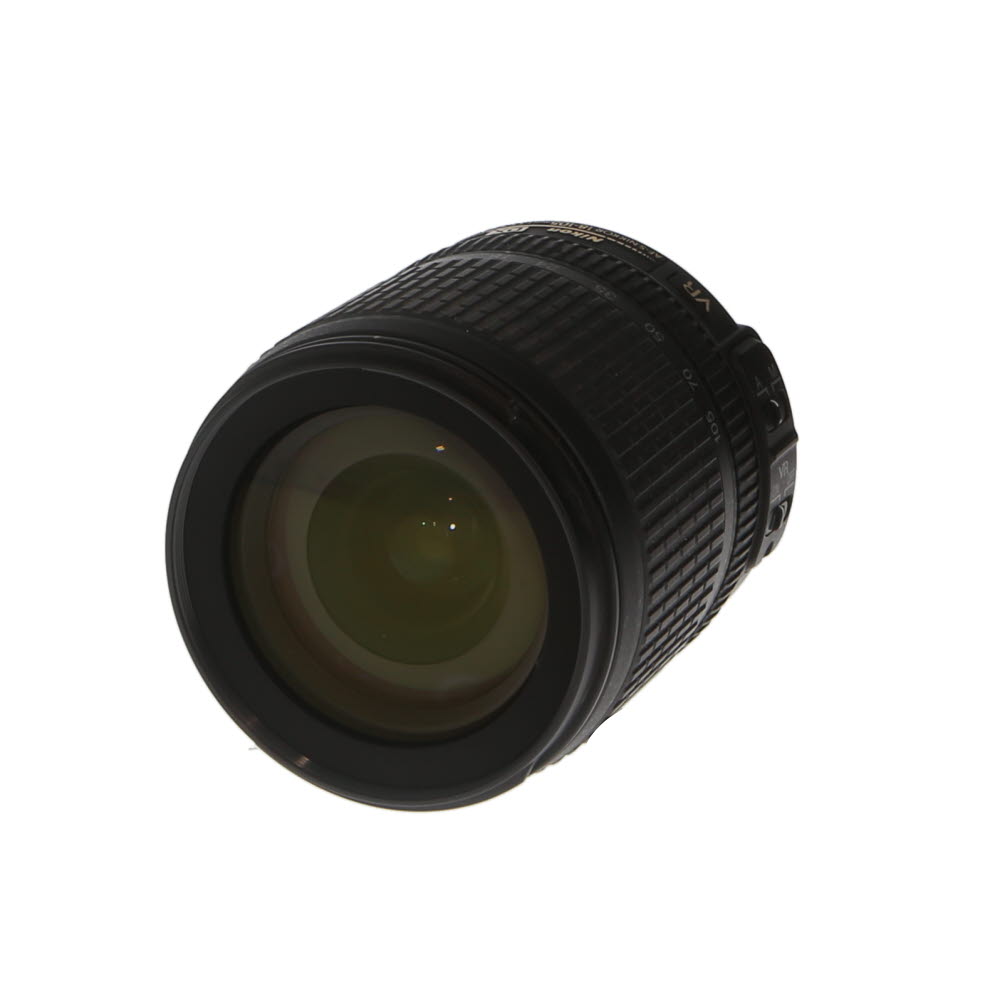

The Nikon D3500 is not a full-frame camera; it features a crop sensor, also known as an APS-C sensor. This means that the sensor size is smaller than a full-frame sensor, which can impact the field of view and depth of field of the images captured with the camera.
While full-frame cameras are known for their superior image quality and low-light performance, crop sensor cameras like the Nikon D3500 are more compact, lightweight, and budget-friendly, making them a popular choice for beginners and hobbyists.
Is Nikon D3500 DSLR Camera Full Frame?
The Nikon D3500 is a popular entry-level DSLR camera that offers great performance and image quality. However, it is important to note that the Nikon D3500 is not a full-frame camera. Instead, it features an APS-C sensor, which is smaller than a full-frame sensor but still offers good image quality and performance.
If you are looking for a full-frame DSLR camera, you may want to consider other options from Nikon’s lineup, such as the Nikon D750 or Nikon D850, which feature full-frame sensors for enhanced image quality and performance.
Understanding Sensor Sizes
When it comes to digital cameras, the sensor size plays a crucial role in determining the image quality and performance of the camera. The sensor size refers to the physical dimensions of the image sensor inside the camera that captures the light to create the image.
There are different sensor sizes used in digital cameras, with the two main categories being full-frame sensors and crop sensors. Full-frame sensors are larger and offer better image quality and low-light performance, while crop sensors are smaller and generally more affordable.
Full-Frame Sensors
Full-frame sensors are the same size as a frame of traditional 35mm film, measuring approximately 36mm x 24mm. Cameras with full-frame sensors are considered high-end and are favored by professional photographers for their superior image quality and depth of field control.
Crop Sensors
Crop sensors, also known as APS-C sensors, are smaller than full-frame sensors and vary in size depending on the camera manufacturer. Common crop sensor sizes include Canon’s APS-C sensors measuring approximately 22.2mm x 14.8mm and Nikon’s APS-C sensors measuring approximately 23.6mm x 15.6mm.
Nikon D3500 Sensor Type
The Nikon D3500 features an APS-C CMOS sensor, which is a crop sensor size. It is not a full-frame sensor, but it still delivers high-quality images with its 24.2 megapixels resolution. The APS-C sensor size provides a good balance between image quality and camera size, making the D3500 a great choice for beginners and enthusiasts alike.
Full Frame vs Crop Sensor
When comparing full frame and crop sensor cameras like the Nikon D3500, there are several key differences to consider. Full frame sensors offer a larger surface area, which generally results in better image quality, especially in low light conditions. They also provide a shallower depth of field, allowing for more creative control over focus and background blur.
On the other hand, crop sensor cameras have a smaller sensor size, which results in a narrower field of view compared to full frame cameras. This can be beneficial for wildlife or sports photography where extra reach is needed. Crop sensor cameras are also generally more affordable than full frame options.
Ultimately, the choice between a full frame and crop sensor camera depends on your specific needs and budget. Full frame cameras are typically preferred by professionals and enthusiasts who prioritize image quality and low light performance, while crop sensor cameras are a great option for beginners or those looking for a more budget-friendly setup.
Advantages of Full Frame Cameras
Full frame cameras offer several advantages over crop sensor cameras, making them a popular choice among professional photographers:
- Higher Image Quality: Full frame cameras have larger sensors, which results in better image quality, especially in low light conditions. They produce sharper images with more detail and better dynamic range.
- Shallower Depth of Field: Full frame cameras allow for shallower depth of field, making it easier to achieve that beautiful background blur (bokeh) effect. This is ideal for portrait and macro photography.
- Better Low Light Performance: With larger sensors, full frame cameras are able to capture more light, resulting in better performance in low light situations. They produce cleaner images with less noise at high ISO levels.
Conclusion
While full frame cameras may come with a higher price tag and larger size, the advantages they offer in terms of image quality, depth of field, and low light performance make them a worthy investment for serious photographers.
Limitations of Crop Sensor Cameras
Crop sensor cameras, such as the Nikon D3500, have certain limitations compared to full frame cameras:
1. Crop Factor
The crop factor of a camera affects the field of view and depth of field. Crop sensor cameras have a smaller sensor size, resulting in a narrower field of view and increased depth of field compared to full frame cameras.
2. Low Light Performance
Due to the smaller sensor size, crop sensor cameras may struggle in low light conditions compared to full frame cameras. The smaller sensor collects less light, leading to potential noise and reduced image quality in low light situations.
FAQ
Is the Nikon D3500 a full frame DSLR camera?
No, the Nikon D3500 is not a full frame DSLR camera. It features an APS-C sensor, which is smaller than a full frame sensor.
What type of sensor does the Nikon D3500 DSLR camera have?
The Nikon D3500 DSLR camera features an APS-C sensor, which is a crop sensor and smaller than a full frame sensor. This sensor size affects the field of view and depth of field of the images captured by the camera.




I love the D3500 for portraits! The image quality is impressive for an entry-level camera.
I recently bought the D3500, and I'm really impressed with the image quality for the price! It's perfect for my beginner needs.
I’ve been using the Nikon D3500 for a few months now and I love it! The image quality is impressive for an entry-level camera. I mostly shoot landscapes and portraits, and while I do notice the low-light performance isn't as great as my friend's full-frame setup, it's still very usable. I've found that using a good lens helps a lot in low-light situations. Anyone else have tips for night photography with this camera?
I disagree about the entry-level label. I think the D3500 can be quite advanced for beginners. It’s got a lot of features that can grow with your skills.
I recently purchased a Nikon D3500 and I can say it's a fantastic camera for beginners. The image quality is great, especially in decent lighting. I’ve tried it for landscapes and portraits, and while it performs well, I definitely see the difference in depth of field compared to my friend's full-frame camera when doing portraits. It’s a bit tricky to get that blurry background effect I want sometimes.
Thanks for sharing your experience! The D3500 is indeed a solid choice for starters. Remember, using a lens with a wider aperture can help achieve that bokeh effect even with a crop sensor.
I have to disagree with the claim that crop sensor cameras are only for beginners. I think they offer great value for money and can produce excellent images. Some pros even use APS-C for specific projects. The Nikon D3500 is a great example of this!
I see your point, but I think the full-frame cameras still have an edge in professional settings, especially for low-light and high-dynamic-range situations.
So, just to be clear, the D3500 does not have the same sensor size as the D850?
Correct, the D3500 has an APS-C sensor, while the D850 features a full-frame sensor, which is larger and offers different capabilities.
I’ve heard that full-frame cameras are much better for low light photography. Is that really a significant difference?
I was really interested in the Nikon D3500 but wanted to confirm: is it true that it can't handle low light as well as full-frame cameras? I'm looking to do some night photography.
Yes, that's correct. The D3500 has a crop sensor, which typically collects less light than a full-frame sensor, making it less effective in low light situations. However, it can still produce decent images with good techniques!
I was deciding between the D3500 and a full frame model like the D750. The D750 does have better low light capabilities, but the D3500 is so much lighter and easier to carry around. It really depends on what you prioritize.
Exactly! If you're traveling a lot, the D3500 is more practical. But if you're doing studio work, full frame might be the way to go.
Don't forget that the crop factor of the D3500 can be useful for reaching distant subjects!
So just to clarify, the D3500 has a crop sensor, meaning I need to consider the crop factor when choosing lenses, right?
I disagree that crop sensors are only for beginners. They can produce amazing results with the right technique and lighting. Not everyone needs full frame.
I've been using the D3500 for a year now, and while it's not full frame, I still get some decent low light shots. Just need to be careful with ISO settings.
I used the Nikon D3500 for a wildlife shoot last summer. The crop sensor was actually helpful for getting closer shots of distant animals without needing a super expensive lens. It worked well for me!
Good article! I’ve been considering the Nikon D3500 for some time. Can you explain how the crop sensor affects the types of photography I can do?
Just to clarify, does the APS-C sensor also mean that I can't use full-frame lenses? I’m considering making that investment.