
 Carmen J. Moore

DSLR cameras are sophisticated pieces of technology that require careful handling and maintenance to ensure they function properly. However, accidents happen, and if you’re not careful, you could end up damaging your expensive camera. In this article, we’ll explore some common ways in which DSLR cameras can be damaged and provide tips on how to avoid these pitfalls.
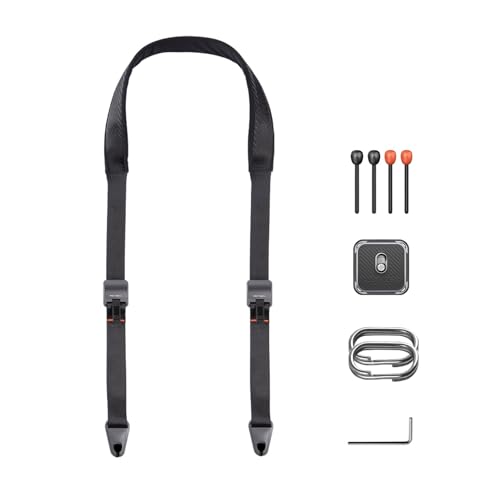
One of the most common ways to damage a DSLR camera is by dropping it. DSLR cameras are delicate instruments with many moving parts, and a fall from even a short distance can cause irreparable damage. To prevent this, always use a camera strap or harness to secure your camera when you’re out shooting. Additionally, consider investing in a protective case or bag to cushion your camera from accidental drops.
Another way to damage a DSLR camera is by exposing it to extreme temperatures or humidity. High temperatures can cause the camera’s internal components to overheat and malfunction, while excessive moisture can lead to corrosion and electrical shorts. To protect your camera, avoid leaving it in direct sunlight or in a hot car for extended periods. When shooting in humid conditions, use a camera rain cover or protective housing to shield your camera from moisture.


Signs of DSLR Camera Damage
When it comes to DSLR camera damage, there are several signs to look out for to determine if your camera has been compromised. Here are some common indicators:
1. Physical Damage
Visible physical damage such as cracks, dents, or scratches on the camera body or lens can indicate that the camera has been dropped or mishandled.
2. Error Messages
If your camera displays error messages such as “Err 01” or “Err 99,” it could be a sign of internal damage or a malfunctioning component.
It’s important to address any signs of damage promptly to prevent further issues and ensure the longevity of your DSLR camera.
Impact Damage on DSLR Camera
One of the most common ways to damage a DSLR camera is through impact. Impact damage can occur when the camera is dropped, bumped, or hit against a hard surface. This type of damage can result in a variety of issues, including cracked screens, damaged lenses, and malfunctioning internal components.
Causes of Impact Damage:
- Dropping the camera from a height
- Bumping the camera against a hard object
- Accidentally knocking the camera off a table or shelf
It is important to handle your DSLR camera with care to avoid impact damage. Using a protective camera case or bag can help cushion the camera from accidental drops or bumps. Additionally, always secure your camera with a strap when shooting to prevent it from falling.
Water Damage to DSLR Camera
Water damage is one of the most common ways to ruin a DSLR camera. Even a small amount of water can cause significant damage to the sensitive electronic components inside the camera.
Causes of Water Damage:
Water damage can occur if the camera is dropped in a body of water, exposed to rain or moisture, or even if condensation forms inside the camera due to sudden temperature changes.
Effects of Water Damage:
When water enters a DSLR camera, it can short-circuit the electronic components, corrode the circuit boards, and damage the lens and sensor. This can lead to the camera malfunctioning or not working at all.
Dust and Dirt Damage on DSLR Camera
Dust and dirt can be harmful to your DSLR camera as they can easily find their way into the sensitive parts of the camera such as the lens, sensor, and mirror mechanism. When dust and dirt accumulate on these components, they can affect the image quality by causing spots, smudges, and blurriness in your photos.
To prevent dust and dirt damage on your DSLR camera, always keep your camera and lenses clean by using a soft brush or a lens cleaning cloth to remove any particles. Avoid changing lenses in dusty environments and make sure to store your camera in a clean and dry place when not in use. Regularly check and clean your camera’s sensor to ensure optimal performance.
Overheating Issues in DSLR Camera
DSLR cameras are sophisticated electronic devices that can overheat when used for extended periods of time or in hot environments. When a DSLR camera overheats, it can affect the image quality, shorten the camera’s lifespan, and even cause damage to internal components.
To prevent overheating, it is important to avoid shooting in direct sunlight for prolonged periods, keep the camera’s firmware updated, and take breaks between long shooting sessions. Additionally, using an external cooling system or carrying out regular maintenance can help mitigate overheating issues in DSLR cameras.
Lens Damage on DSLR Camera
One of the most vulnerable parts of a DSLR camera is the lens. If you want to damage a DSLR camera, focusing on the lens is a sure way to cause significant problems. Here are some ways to damage the lens on a DSLR camera:
1. Dropping the Camera: Accidentally dropping the camera can cause the lens to crack or shatter, rendering it unusable. Always handle your DSLR camera with care to avoid this type of damage.
2. Exposing the Lens to Extreme Temperatures: Extreme hot or cold temperatures can damage the lens elements and affect the overall performance of the lens. Avoid leaving your camera in direct sunlight or extreme cold for prolonged periods.
3. Scratching the Lens: Scratches on the lens can degrade image quality and affect the autofocus performance. Be careful when cleaning the lens and always use a soft, lint-free cloth to avoid scratching the surface.
4. Using Harsh Cleaning Chemicals: Using harsh cleaning chemicals or rough materials to clean the lens can damage the lens coating and the overall lens quality. Stick to recommended lens cleaning solutions and tools to keep your lens in top condition.
By being mindful of how you handle and care for the lens on your DSLR camera, you can avoid damaging this crucial component and ensure that your camera continues to perform at its best.
Battery Damage in DSLR Camera
One of the common ways to damage a DSLR camera is by mishandling the battery. Here are some ways in which battery damage can occur:
1. Overcharging
Leaving the battery in the charger for an extended period of time can cause overcharging, which can damage the battery and potentially the camera itself.
2. Using incompatible chargers
Using a charger that is not designed for your specific camera model can lead to battery damage. Always use the charger provided by the manufacturer.
- Ensure the battery is properly inserted into the charger
- Avoid exposing the battery to extreme temperatures
- Do not short-circuit the battery
Memory Card Damage on DSLR Camera
One common way to damage a DSLR camera is by mishandling or improperly inserting and removing the memory card. If the memory card is inserted or removed forcefully, it can damage the card slot or the pins inside, leading to connectivity issues and potential data loss.
To prevent memory card damage:
- Always power off the camera before inserting or removing the memory card.
- Handle the memory card with care and avoid bending or forcing it into the slot.
- Make sure the memory card is inserted in the correct orientation to avoid damaging the pins.
- Regularly inspect the memory card and slot for any signs of damage or wear.
By following these precautions, you can help protect your DSLR camera from memory card damage and ensure smooth operation when capturing images.
Software and Firmware Issues in DSLR Camera
Modern DSLR cameras are equipped with advanced software and firmware that control various functions and settings of the camera. While these software and firmware updates are designed to enhance the performance and functionality of the camera, they can also be vulnerable to issues that can potentially damage the camera.
Common Software and Firmware Issues:
1. Firmware bugs: Sometimes, firmware updates can introduce bugs or glitches that can cause the camera to malfunction or behave erratically.
2. Software compatibility issues: Compatibility issues with third-party software or apps can lead to conflicts that may affect the camera’s performance.
It is important to regularly update the software and firmware of your DSLR camera to ensure that it is running smoothly and efficiently. Additionally, following the manufacturer’s guidelines for updating the software and firmware can help prevent any potential issues that may arise.
Preventing DSLR Camera Damage
Protecting your DSLR camera from damage is essential to ensure its longevity and optimal performance. Here are some tips to help you prevent damage to your camera:
| 1. | Use a sturdy camera bag or case to transport and store your camera safely. |
| 2. | Avoid exposing your camera to extreme temperatures or humidity, as this can damage the internal components. |
| 3. | Handle your camera with care and avoid dropping it or subjecting it to rough handling. |
| 4. | Keep your camera clean and free from dust and debris by regularly cleaning the lens and body. |
| 5. | Use a lens cap when the lens is not in use to protect it from scratches and damage. |
| 6. | Avoid changing lenses in dusty or windy environments to prevent dust from getting inside the camera. |
FAQ
What are some common ways to damage a DSLR camera?
Common ways to damage a DSLR camera include dropping it, exposing it to extreme temperatures or moisture, mishandling the lens, and using incorrect accessories or batteries.
Can cleaning a DSLR camera incorrectly cause damage?
Yes, cleaning a DSLR camera incorrectly can damage it. Using harsh chemicals, rough materials, or excessive force while cleaning the camera’s sensor or lens can lead to scratches, smudges, or other issues that may affect the camera’s performance.




How does damage from dropping compare to water damage in terms of repair costs? Is one usually more expensive to fix than the other?
Repair costs can vary widely based on the extent of damage, but generally, water damage tends to be more costly due to potential internal component failure compared to external repairs from drops.
I once dropped my DSLR from a height of about three feet. It was in a cushioned bag but still got a dent on the lens. Now, I always double-check that it’s secured properly before shooting. Definitely worth investing in a sturdy camera strap!
I think some degree of wear is just part of being a photographer. We can't bubble wrap our cameras forever. Just need to be careful, right?
I get what you're saying, but some precautions can really extend the life of your gear. It’s about finding a balance.