
 Carmen J. Moore
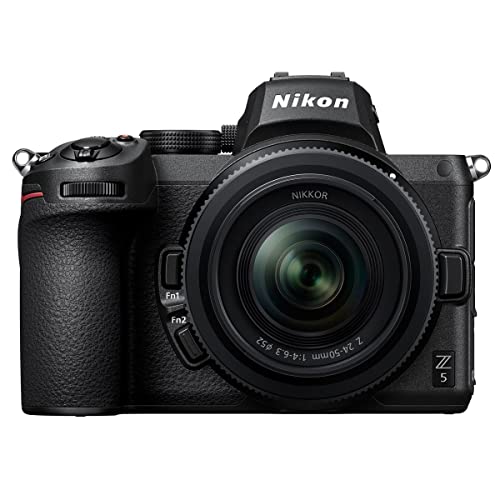
Buying a second hand DSLR camera can be a great way to save money while still getting a high-quality piece of equipment. However, it’s important to thoroughly check the camera before making a purchase to ensure that you’re getting a good deal. Here are some tips on how to check a second hand DSLR camera.
1. Check the Shutter Count: One of the most important things to look at when buying a used DSLR camera is the shutter count. The shutter count is the number of times the camera’s shutter has been activated, and it can give you an idea of how much the camera has been used. A high shutter count may indicate that the camera is nearing the end of its lifespan.
2. Inspect the Body: Take a close look at the camera body for any signs of damage or wear and tear. Check for scratches, dents, or other physical damage that could affect the camera’s performance. Make sure all buttons, dials, and ports are in working order.
Guide to Checking Second Hand DSLR Camera
When buying a second hand DSLR camera, it’s important to thoroughly check the camera to ensure that you are getting a good deal. Here are some tips to help you inspect the camera:


1. Check the Exterior
- Inspect the body of the camera for any signs of damage, scratches, or wear and tear.
- Check the lens mount for any signs of damage or misalignment.
2. Test the Shutter
- Take a few test shots to check the functionality of the shutter.
- Listen for any unusual sounds or delays when taking photos.
By following these steps, you can ensure that you are making a smart investment when buying a second hand DSLR camera.
Physical Inspection of Camera Body
When checking a second-hand DSLR camera, the first step is to physically inspect the camera body for any signs of wear and tear. Look for scratches, dents, or any other physical damage that may affect the camera’s performance.
Key areas to inspect:
Lens mount: Check the lens mount for any signs of damage or wear, as this can affect the camera’s ability to properly attach lenses.
Buttons and dials: Test all buttons and dials on the camera body to ensure they are working properly and not sticking or malfunctioning.
LCD screen: Inspect the LCD screen for scratches, dead pixels, or any other issues that may affect the display quality.
Battery compartment: Check the battery compartment for any corrosion or damage that could prevent the camera from functioning properly.
Ports and connections: Inspect all ports and connections on the camera body to ensure they are clean and free of debris.
Checking Shutter Count and Sensor
When buying a second-hand DSLR camera, it’s crucial to check the shutter count and sensor condition to ensure you’re getting a good deal. The shutter count indicates how many times the camera’s shutter has been actuated, giving you an idea of its usage and potential lifespan.
You can check the shutter count by using software tools like EOSInfo for Canon cameras or ShutterCount for Nikon cameras. Simply connect your camera to a computer and run the software to retrieve the shutter count information.
Additionally, inspect the camera’s sensor for any signs of dust, scratches, or dead pixels. Take a test shot and zoom in to check for any imperfections on the image. A clean sensor is essential for producing high-quality photos, so make sure to thoroughly examine it before making a purchase.
By checking the shutter count and sensor condition, you can make an informed decision when buying a second-hand DSLR camera and avoid any potential issues down the line.
Test Autofocus and Image Stabilization
When checking a second-hand DSLR camera, it’s crucial to test the autofocus and image stabilization features to ensure they are functioning properly. Here’s how you can do it:
Autofocus Test:
1. Set the camera to autofocus mode and point it at a well-lit subject.
2. Half-press the shutter button to activate the autofocus system.
3. Check if the camera focuses quickly and accurately on the subject. Listen for any unusual noises that may indicate issues with the autofocus mechanism.
Image Stabilization Test:
1. Turn on the image stabilization feature if the camera has it.
2. Hold the camera steady and take a few test shots at different shutter speeds.
3. Inspect the images to see if they are sharp and free from motion blur. If the image stabilization is working correctly, you should notice a difference in image quality compared to shots taken without stabilization.
| Autofocus Test | Image Stabilization Test |
|---|---|
| Check focus accuracy and speed | Test effectiveness at different shutter speeds |
| Listen for unusual noises | Inspect sharpness and motion blur |
Inspect Lens for Scratches and Fungus
When checking a second-hand DSLR camera, one of the most important things to inspect is the lens. Start by examining the lens carefully for any scratches, marks, or signs of wear. Even minor scratches can affect image quality, so make sure to inspect the lens thoroughly.
Additionally, check for any signs of fungus growth inside the lens. Fungus can damage the lens and impact image quality, so it’s crucial to look for any haze, spots, or unusual patterns on the lens elements. If you notice any of these signs, it’s best to avoid purchasing the camera.
Evaluate Battery Life and Connectivity
When checking a second-hand DSLR camera, make sure to assess the battery life and connectivity options. Check the condition of the battery and how long it lasts on a full charge. It’s also important to inspect the battery compartment for any signs of corrosion or damage. Additionally, test the connectivity features such as Wi-Fi, Bluetooth, and USB ports to ensure they are functioning properly. A camera with good battery life and reliable connectivity will enhance your overall shooting experience.
Verify Warranty and Return Policy
Before purchasing a second-hand DSLR camera, it is crucial to verify the warranty and return policy offered by the seller. Check if the camera is still under warranty and if the warranty is transferable to a new owner. This will ensure that you are protected in case the camera malfunctions or requires repairs.
Additionally, review the seller’s return policy to understand your options in case the camera does not meet your expectations or has undisclosed issues. A clear return policy can provide you with peace of mind and protection against buying a faulty camera.
FAQ
What are the things to check when buying a second hand DSLR camera?
When buying a second hand DSLR camera, you should check the condition of the camera body for any scratches, dents, or signs of wear. Inspect the sensor for dust or scratches, test the shutter count to see how many photos have been taken, check the LCD screen for dead pixels, and test all the buttons, dials, and switches to ensure they are working properly. It’s also important to check the lens mount, viewfinder, and battery compartment for any issues.
How can I check the shutter count of a second hand DSLR camera?
To check the shutter count of a second hand DSLR camera, you can use online tools or software that can read the metadata from the photos taken with the camera. Some cameras also have a built-in feature that displays the shutter count in the menu settings. You can also ask the seller if they have kept track of the shutter count or have a service report from a camera shop.
What are the advantages of buying a second hand DSLR camera?
Buying a second hand DSLR camera can be more cost-effective than buying brand new, allowing you to get a higher-end model for a lower price. You may also have access to discontinued models that are no longer available new. Additionally, some sellers may offer a warranty or return policy, providing peace of mind when purchasing a used camera.
Should I buy a second hand DSLR camera from a reputable seller?
It is recommended to buy a second hand DSLR camera from a reputable seller, such as a camera store, online marketplace with buyer protection, or a trusted individual. Reputable sellers may offer warranties, return policies, or service guarantees, and are more likely to provide accurate information about the camera’s condition and history. This can help ensure a smoother and more reliable buying experience.




What exactly is the maximum shutter count I should look for when buying a second hand DSLR? I’ve heard different numbers from different people.
A good rule of thumb is to look for a shutter count below 50% of the camera's rated lifespan, which typically ranges from 100,000 to 400,000 actuations depending on the model. Always prioritize lower counts for better longevity.
I don't think it's that important to worry about battery life when buying second hand. If the camera works, you can always buy a new battery later. What do others think?
I kind of agree with you. But if the battery is old and doesn't hold a charge, it can be frustrating to deal with right off the bat.
I recently bought a second hand DSLR, and I wish I had followed more thorough checks. I checked the shutter count but didn’t notice the scratches on the lens until I got home. It resulted in some blurry shots. Definitely recommend checking every detail before purchasing!
Could you explain how to check for fungus in the lens? I’m not sure what to look for specifically.
You should look for hazy spots or unusual patterns when viewing the lens against a light source. If you see any cloudy areas, it may indicate fungus, which can affect image quality.
How does the shutter count compare between different brands? Is Canon's count different from Nikon's?
Shutter counts can vary by brand and model. Canon and Nikon both have similar expected lifespans, but always check the specific model's ratings, as some are built for higher endurance.