
 Carmen J. Moore

When it comes to photography, capturing the perfect moment can make all the difference. One such moment that photographers often strive to capture is the muzzle blast from a firearm. The intense burst of energy and light can create stunning visual effects that add depth and drama to your photos.
With the right techniques and equipment, you can successfully capture muzzle blast with your DSLR camera. In this guide, we will explore the steps you need to take to achieve this unique and captivating shot. From selecting the right settings on your camera to understanding the physics of muzzle blast, we will cover everything you need to know to master this challenging but rewarding photography technique.
Whether you are a seasoned photographer looking to expand your skills or a beginner eager to experiment with new techniques, learning how to capture muzzle blast with your DSLR camera can take your photography to the next level. So grab your camera, gear up, and get ready to capture the explosive beauty of muzzle blast in your next photo shoot!
Understanding Muzzle Blast
Muzzle blast is the explosive release of gases from the muzzle of a firearm upon firing. It is a combination of hot gases, unburned powder particles, and other debris that create a visible and audible effect. Understanding muzzle blast is essential for capturing it effectively with a DSLR camera.
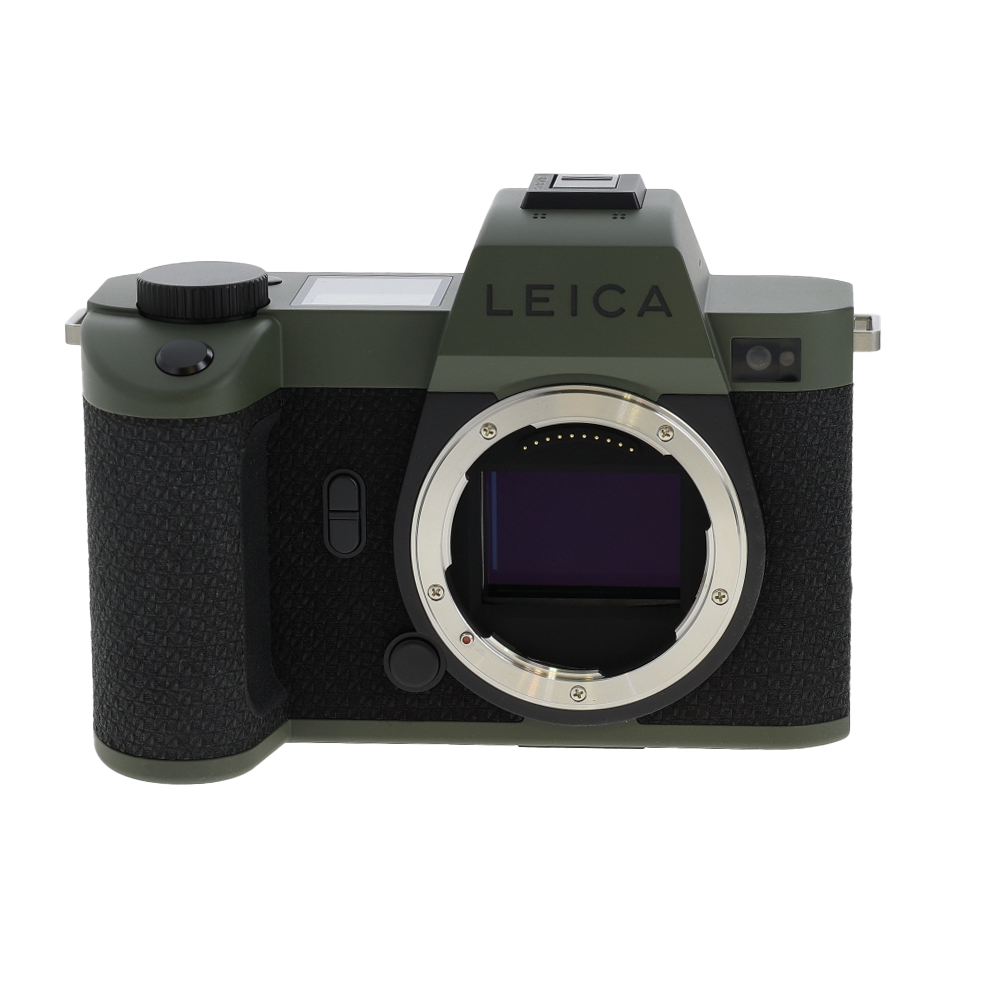
Factors affecting Muzzle Blast
Several factors influence the intensity and appearance of muzzle blast, including the type of firearm, caliber, barrel length, ammunition, and environmental conditions. Larger calibers and shorter barrels typically produce more pronounced muzzle blast.
Capturing Muzzle Blast
To capture muzzle blast with a DSLR camera, set a fast shutter speed to freeze the motion of the gases and debris. Use a wide aperture to create a shallow depth of field and focus on the muzzle area. Experiment with different angles and lighting conditions to enhance the visual impact of the muzzle blast in your photographs.
Importance of Capturing Muzzle Blast
When capturing images or videos of firearms firing, capturing the muzzle blast is crucial for conveying the power and intensity of the shot. The muzzle blast, which consists of hot gases and particles exiting the muzzle at high speed, is an essential element that adds visual impact to the overall composition.
Enhancing Visual Appeal
The muzzle blast creates a dynamic and visually striking element in the frame, adding excitement and drama to the image or video. It can help viewers feel the intensity and energy of the shot, making the content more engaging and captivating.
Technical and Artistic Value
Capturing the muzzle blast also has technical and artistic value. It requires skill and precision to freeze the moment when the muzzle flash occurs, showcasing the photographer’s ability to capture fast-moving subjects. Additionally, the unique shapes and patterns created by the expanding gases can add artistic flair to the composition, making the image visually interesting.
Choosing the Right DSLR Camera
When it comes to capturing muzzle blasts with a DSLR camera, choosing the right equipment is crucial. Here are some key factors to consider when selecting a DSLR camera:
1. Sensor Size
The size of the sensor in a DSLR camera plays a significant role in image quality and low-light performance. Full-frame sensors typically offer better image quality and low-light capabilities compared to crop sensors.
2. ISO Range
Look for a DSLR camera with a wide ISO range to ensure you can capture clear shots in various lighting conditions, including low-light situations where muzzle blasts are prevalent.
- Consider cameras with ISO ranges that go up to at least 3200 or higher for optimal performance.
Camera Settings for Muzzle Blast Photography
When capturing muzzle blast with a DSLR camera, it is important to use the right camera settings to achieve the desired effect. Here are some recommended camera settings for muzzle blast photography:
- Shutter Speed: Use a fast shutter speed to freeze the motion of the muzzle blast. A shutter speed of 1/1000 or faster is recommended.
- Aperture: Use a wide aperture (low f-stop number) to let in more light and create a shallow depth of field. This will help isolate the muzzle blast and make it stand out in the image.
- ISO: Use a low ISO setting to reduce noise in the image. Start with ISO 100 and adjust as needed based on the lighting conditions.
- Focus: Set your camera to manual focus and focus on the muzzle of the gun to ensure the blast is sharp and clear in the image.
- Burst Mode: Consider using the burst mode on your camera to capture multiple shots in quick succession. This can help you capture the perfect moment of the muzzle blast.
Lighting Techniques for Muzzle Blast Shots
When capturing muzzle blast shots with a DSLR camera, proper lighting is crucial to achieve stunning and dynamic images. Here are some lighting techniques to help you capture the perfect muzzle blast shot:
1. Backlighting
Backlighting can create a dramatic effect by illuminating the muzzle blast from behind. This technique can help highlight the shape and details of the blast, making it stand out in the image. To achieve this, position your light source behind the subject, ensuring that the light is not directly visible in the frame.
2. Side Lighting
Side lighting can add depth and dimension to your muzzle blast shots. By positioning the light source to the side of the subject, you can create shadows and highlights that enhance the texture and shape of the blast. Experiment with different angles and intensities of side lighting to achieve the desired effect.
| Tip: | Use a diffuser or reflector to control the intensity and direction of the light for more precise lighting effects. |
Composition Tips for Muzzle Blast Images
When capturing images of muzzle blasts with your DSLR camera, composition plays a crucial role in creating visually stunning shots. Here are some composition tips to help you capture the perfect muzzle blast image:
- Focus on the Action: Make sure the muzzle blast is the focal point of your image. Position your camera to capture the blast in full force.
- Use Leading Lines: Incorporate leading lines in your composition to guide the viewer’s eye towards the muzzle blast. This can create a dynamic and engaging image.
- Frame the Shot: Consider using elements in the environment to frame the muzzle blast. This can add depth and context to your image.
- Experiment with Angles: Try shooting from different angles to find the most visually appealing perspective. Low angles can enhance the size and impact of the muzzle blast.
- Include Context: Capture the surroundings of the muzzle blast to provide context and tell a story. This can add depth and interest to your image.
- Play with Light: Experiment with different lighting conditions to create dramatic effects with the muzzle blast. Backlighting can silhouette the blast, while side lighting can highlight its details.
Post-Processing for Enhancing Muzzle Blast Photos
After capturing stunning muzzle blast photos with your DSLR camera, you can further enhance them through post-processing techniques. Here are some tips to make your muzzle blast images even more dynamic:
1. Adjust Contrast and Exposure
Make sure to adjust the contrast and exposure levels to bring out the details of the muzzle blast. Experiment with different settings to achieve the desired effect.
2. Enhance Colors
Boost the colors in the muzzle blast to make them more vibrant and eye-catching. Use tools like saturation and vibrance to make the colors pop.
By applying these post-processing techniques, you can take your muzzle blast photos to the next level and create visually striking images.
FAQ
Can you explain how to catch muzzle blast with a DSLR camera?
Sure! To capture a muzzle blast with a DSLR camera, you need to use a fast shutter speed to freeze the motion of the expanding gas and burning gunpowder. Additionally, a wide aperture setting will help you achieve a shallow depth of field, making the muzzle blast stand out more against the background. It’s also important to consider the lighting conditions and adjust your ISO accordingly to avoid overexposure or underexposure.
What camera settings should I use to capture a clear muzzle blast?
When trying to capture a clear muzzle blast with a DSLR camera, you should set your camera to a fast shutter speed, such as 1/1000 or faster, to freeze the motion. Use a wide aperture, like f/2.8 or lower, to create a shallow depth of field and make the muzzle blast pop. Adjust your ISO to the appropriate level based on the lighting conditions. Experiment with different settings to find the right balance for capturing the perfect muzzle blast shot.
Are there any specific lenses you recommend for capturing muzzle blasts with a DSLR camera?
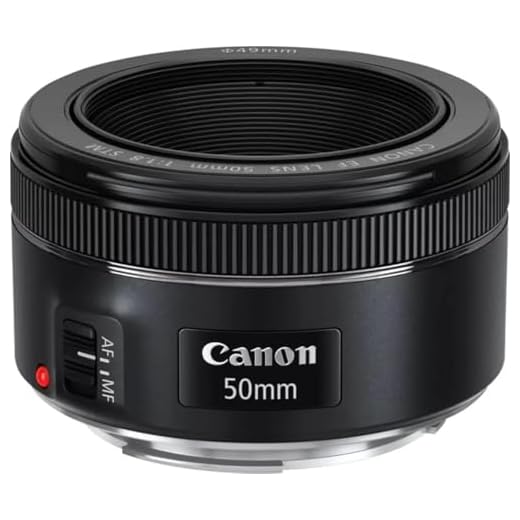
For capturing muzzle blasts with a DSLR camera, a fast prime lens with a wide aperture, such as a 50mm f/1.8 or a 85mm f/1.4, is ideal. These lenses allow for more light to enter the camera, making it easier to capture the fast-moving and bright muzzle blast. Additionally, the wide aperture helps create a blurred background, emphasizing the muzzle blast in the image. Experiment with different lenses to see which one gives you the best results for capturing muzzle blasts.
What are some tips for capturing unique and creative muzzle blast shots with a DSLR camera?
To capture unique and creative muzzle blast shots with a DSLR camera, try experimenting with different angles and perspectives. Get close to the action to capture the details of the muzzle blast, or step back to incorporate the shooter and the environment in the frame. Use props or reflectors to enhance the lighting and create interesting effects. Play with post-processing techniques like color grading or adding filters to give your muzzle blast shots a unique look. Don’t be afraid to try new things and push the boundaries of traditional photography to capture stunning muzzle blast images.




Don’t forget to check your ISO settings too! Keeping it low helps reduce noise, which is important for clear images of the muzzle blast.
What specific settings do you recommend for capturing muzzle blast in low light conditions? I often struggle with noise in my images.
I had the same issue! Using a lower ISO, like 100 or 200, and a faster shutter speed really helps reduce noise. Plus, experimenting with backlighting can enhance the details.
What shutter speed do you recommend for capturing muzzle blast? I’ve heard that anything above 1/1000 can work, but I’m curious if faster is better.
I've had success with 1/2000 when shooting in bright light. It really helps to freeze that moment!
I've been trying to capture muzzle blasts for a while, and I found that using burst mode is a game changer. It takes multiple shots in quick succession which really helps in catching that perfect moment. I also recommend using a wide aperture; it makes the muzzle blast pop out against the background. It took some trial and error to get the lighting right, especially with side lighting, but the results were worth it. Anyone else have tips on this?
Thanks for sharing your experience! Including context can indeed enhance your shots. It's all about telling a story through your images, and the right techniques can make your photos stand out.
Absolutely agree about burst mode! It helps so much. I also found that including some context in the shot, like the shooter or the environment, really adds to the story of the photo.
Can you clarify why a low ISO is recommended for muzzle blast photography?
A low ISO helps reduce noise in your images, which is especially important when you're capturing fast-moving subjects like muzzle blasts. This ensures that your photos are sharp and clear.
Can someone clarify how environmental conditions affect muzzle blasts? Like, does humidity or wind really change what you see?
I’m not sure the muzzle blast is as visually striking as people say. I've seen photos where it looks more like smoke than anything impressive.
I can see that perspective, but I think if captured well, it adds a dramatic effect that enhances the storytelling in the photo. It’s all about technique!
Is there a significant difference between crop sensor and full-frame cameras for this type of photography? I’m debating which one to invest in.
Full-frame sensors definitely handle low light better, which might help capture muzzle blasts more effectively. But a good crop sensor can still do the job if you have the right lens.
I tried this technique over the weekend, and it was amazing! I used a full-frame DSLR with a 50mm lens and a fast shutter speed. The shots were incredibly detailed. Backlighting added so much depth to the muzzle blast. It took a few tries to get the focus right, but it was worth it!
That sounds like a fantastic experience! Backlighting is a great choice to enhance the visuals. Were there any specific settings that worked best for you?
I’m not convinced that muzzle blast photography is worth the effort. It seems like it would be too unpredictable. Has anyone had consistent success with this?
I've been experimenting with capturing muzzle blasts for a while now. I found that using backlighting really makes the details pop. I also had great results with burst mode—it's the best way to catch that perfect moment when the blast occurs! Anyone else have similar experiences?
Could you explain more about the importance of aperture settings? How does a wide aperture affect the final image of the muzzle blast?
I've been experimenting with muzzle blast photography for a while, and I've found that backlighting really enhances the effect. It makes the blast look almost like a glowing explosion. Just remember not to have the light source directly in the frame.