
 Carmen J. Moore
Drone flying can be both thrilling and frustrating when your drone refuses to take off. There are several reasons why your drone may not be responding as expected despite your efforts. Before you panic, it’s important to troubleshoot the issue to identify the underlying problem.
From technical malfunctions to user errors, the causes of a drone not taking off can vary. Understanding these potential issues can help you address the problem effectively and get your drone back in the air in no time.
Common Reasons for Drone Failure to Take Off
There are several common reasons why a drone may fail to take off. Here are some of the most frequent issues:


- Low battery: If the battery level is too low, the drone may not have enough power to take off. Make sure to fully charge the battery before attempting to fly.
- Calibration issues: Incorrect calibration of the drone’s sensors can prevent it from taking off properly. Check and recalibrate the drone’s sensors as needed.
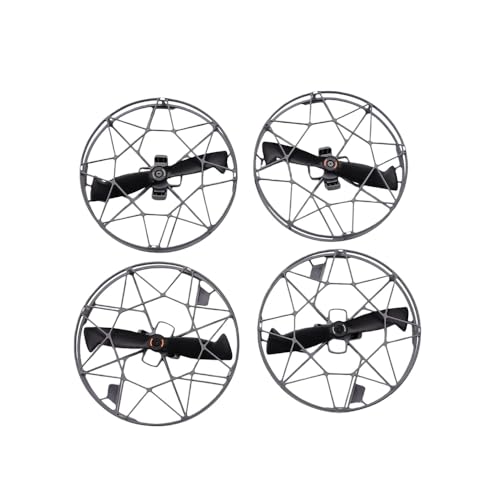
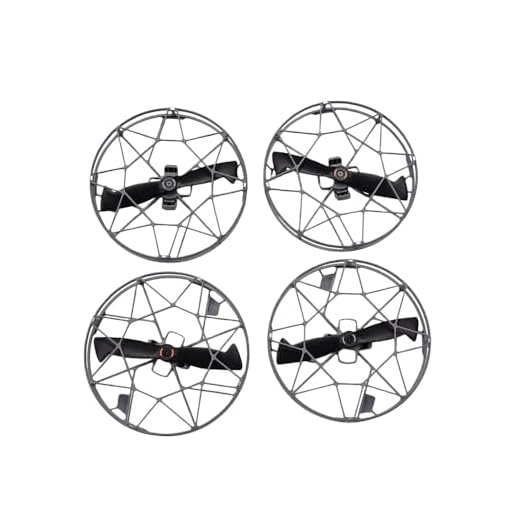
- Propeller issues: Damaged or improperly installed propellers can hinder the drone’s ability to take off. Inspect the propellers and ensure they are in good condition and securely attached.
- GPS signal interference: A weak or disrupted GPS signal can affect the drone’s ability to take off and fly properly. Fly in an open area away from sources of interference.
- Obstacles in the flight path: Objects in the drone’s flight path can prevent it from taking off safely. Clear the area of any obstacles before attempting to fly.
Battery Issues
One common reason why your drone may not take off is due to battery issues. Here are some potential battery-related problems:
1. Low Battery Level
If the battery level is too low, your drone may not have enough power to take off. Make sure to fully charge the battery before attempting to fly your drone.
2. Battery Connection
Check that the battery is securely connected to the drone. A loose connection can prevent the drone from receiving power and taking off.
| Issue | Solution |
| Battery not charging | Check the charging cable and port for any damage. Replace if necessary. |
| Battery swollen or damaged | Replace the battery with a new one to ensure safe operation. |
Motor Malfunction
If your drone won’t take off, a possible reason could be a motor malfunction. Check each motor to see if it is spinning properly. Sometimes debris or dirt can get stuck in the motor, causing it to malfunction. You can try cleaning the motors and checking for any physical damage. If a motor is not spinning at all or is making strange noises, it may need to be replaced.
If you are comfortable with electronics, you can also check the motor connections and wiring to ensure everything is properly connected. Loose connections or damaged wires can also cause a motor to malfunction. If all else fails, it may be best to contact the manufacturer or a professional drone repair service for assistance.
Calibration Problems
If your drone is not taking off, it could be due to calibration issues. Calibration is essential for the proper functioning of the drone’s sensors and controls. Make sure to calibrate your drone before each flight to ensure accurate readings and smooth operation.
Compass Calibration
One common calibration problem is with the drone’s compass. If the compass is not properly calibrated, the drone may not be able to determine its orientation correctly, leading to difficulties in taking off. Follow the manufacturer’s instructions to calibrate the compass properly.
IMU Calibration
Another crucial calibration is the IMU (Inertial Measurement Unit). The IMU is responsible for measuring the drone’s acceleration and orientation. If the IMU is not calibrated correctly, the drone may not respond accurately to your commands, preventing it from taking off. Make sure to calibrate the IMU according to the manufacturer’s guidelines.
Obstacle Interference
One common reason why your drone may not take off is obstacle interference. Make sure that there are no obstructions in the area where you are trying to launch your drone. Check for trees, buildings, power lines, or any other obstacles that could obstruct the drone’s path. If there are obstacles present, move to a clear and open area before attempting to take off.
GPS Signal Loss
If your drone is not taking off, it could be due to a GPS signal loss. Drones rely on GPS signals to navigate and maintain stability in flight. If the GPS signal is weak or lost, the drone may not be able to take off or fly properly.
Check for any obstructions that could be blocking the GPS signal, such as tall buildings or trees. Ensure that you are flying in an open area with clear line of sight to the sky. Additionally, make sure that the GPS module on your drone is functioning properly and has a clear view of the satellites.
Weight Overload
If your drone is not taking off, it could be due to weight overload. Drones have specific weight limits that they can carry, and exceeding this limit can prevent the drone from taking off. Make sure you are not attaching any additional accessories or payloads that exceed the drone’s weight limit. Remove any unnecessary items to reduce the weight and try again.
Wind Conditions
One common reason why your drone may not take off is due to unfavorable wind conditions. High winds can affect the stability and control of the drone, making it unsafe to fly. Before attempting to take off, check the wind speed and direction using a weather app or an anemometer. If the wind speed is too high, it’s best to wait for calmer conditions to ensure a successful flight.
Precautions:
Always fly your drone in an open area away from buildings and trees where wind can be more turbulent. Be cautious of gusts and sudden changes in wind direction that can affect your drone’s flight stability.
Software Glitches
If your drone is experiencing software glitches, it may not be able to take off properly. This could be due to a variety of reasons, such as outdated firmware, corrupted software, or bugs in the drone’s programming. To troubleshoot this issue, try updating the drone’s firmware to the latest version. If that doesn’t work, you may need to reset the drone to its factory settings or contact the manufacturer for further assistance.
FAQ
My drone is fully charged, but it still won’t take off. What could be the problem?
If your drone is fully charged but won’t take off, there could be several reasons for this issue. Check if the propellers are installed correctly and securely, the motor connections are intact, and the drone firmware is up to date. Also, make sure to calibrate the drone and check if there are any obstacles hindering its takeoff.
Why does my drone keep flipping over when I try to take off?
If your drone keeps flipping over during takeoff, it could be due to an imbalance in the propellers’ speed or direction, incorrect motor placement, or a calibration issue. Try recalibrating the drone, checking the propellers for damage, and ensuring they are installed correctly. Adjusting the trim settings on your remote control may also help stabilize the drone.
My drone won’t take off after a recent crash. What should I do?
If your drone refuses to take off after a crash, thoroughly inspect it for any physical damage, such as broken propellers, motor issues, or a misaligned frame. Replace any damaged parts, recalibrate the drone, and ensure that the motors are functioning correctly. It’s also a good idea to check the drone’s stability by flying it in a controlled environment before attempting any advanced maneuvers.


My drone is fully charged but still won't take off. What should I check first?
I think checking the battery first is overrated. I had issues with a motor malfunction that caused my drone to not take off at all, despite the battery being fine.
I think the battery level is often overlooked. Even if it shows as charged, it can sometimes be defective. I had to replace my battery to solve the issue, not just charge it again. Has anyone else had this experience?
That’s interesting. I thought it was just my drone acting up! I’ll check my battery next time.
What do you mean by ‘GPS signal interference’? How can that affect takeoff?