
 Carmen J. Moore

Drone flying has become a popular hobby and a valuable tool in various industries. One feature that many drones offer is the headless mode, which is designed to make flying easier for beginners and experienced pilots alike.

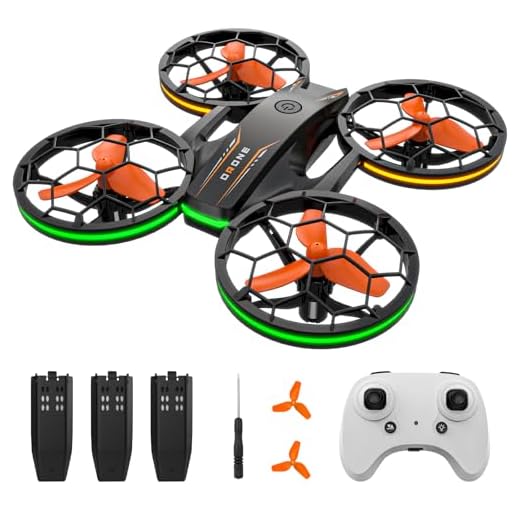

Headless mode is a feature that allows the drone to move in the direction you push the control stick, regardless of the orientation of the drone. This means that you don’t have to worry about which way the drone is facing, making it easier to control, especially for those who are new to flying drones.
However, while headless mode can be helpful for beginners, it may not be preferred by more experienced pilots who enjoy the challenge of flying in a more traditional mode. Ultimately, whether it is easier to fly a drone in headless mode depends on the individual’s skill level and preference.
Is Flying a Drone in Headless Mode Easier?
Headless mode on a drone is a feature that allows the pilot to fly the drone based on the direction it is facing, rather than the orientation of the pilot. This can be especially helpful for beginners who might find it challenging to keep track of the drone’s orientation during flight.
While flying a drone in headless mode can simplify the controls for some users, it doesn’t necessarily make flying easier overall. Pilots still need to be aware of their surroundings, obstacles, and how to maneuver the drone effectively.
Benefits of Headless Mode:
One of the main benefits of headless mode is that it can help beginners get a better grasp of flying a drone without having to worry about orientation. This can be useful for practicing basic maneuvers and building confidence in piloting skills.
Limitations of Headless Mode:
However, relying too much on headless mode can also hinder the development of important piloting skills, such as spatial awareness and understanding of drone orientation. It is essential for drone pilots to learn how to fly in standard mode to become proficient pilots.
In conclusion, while flying a drone in headless mode can provide some advantages for beginners, it is important to also practice flying in standard mode to develop essential piloting skills and become a more versatile drone pilot.
Understanding the Headless Mode Feature
Headless mode is a feature commonly found in drone controllers that simplifies the flying experience for beginners and allows for more precise control. When activated, the drone’s orientation is no longer dependent on the direction it is facing, making it easier to navigate.
How Does Headless Mode Work?
In headless mode, the drone’s controls are based on the position of the pilot rather than the direction the drone is facing. This means that pushing the joystick forward will always move the drone away from the pilot, regardless of its orientation. This feature can be especially helpful for beginners who may find it challenging to keep track of the drone’s orientation during flight.
While headless mode can make flying a drone easier, it is important to note that it may limit the pilot’s ability to develop essential flying skills, such as orientation awareness. It is recommended that beginners use headless mode as a learning tool and gradually transition to flying in standard mode to improve their piloting abilities.
Pros and Cons of Flying in Headless Mode
When flying a drone in headless mode, there are several advantages and disadvantages to consider:
- Pros:
- 1. Simplified controls: Flying in headless mode can make it easier for beginners to operate the drone as the direction is based on the pilot’s perspective rather than the drone’s orientation.
- 2. Easier orientation: Headless mode can help prevent the confusion of losing track of the drone’s orientation, especially when the drone is far away.
- 3. Suitable for aerial photography: Headless mode can be beneficial when capturing specific angles or shots, as it allows for smoother and more controlled movements.
- Cons:
- 1. Limited skill development: Relying too much on headless mode may hinder the pilot’s ability to develop essential flying skills, such as orientation and maneuvering.
- 2. Reduced spatial awareness: Pilots may become overly dependent on headless mode, leading to a lack of awareness of their surroundings and potential obstacles.
- 3. Not suitable for advanced maneuvers: Headless mode is not ideal for performing complex maneuvers or acrobatics, as it limits the pilot’s control over the drone’s orientation.
Factors Affecting Ease of Flying in Headless Mode
When flying a drone in headless mode, several factors can affect the ease of control and overall flying experience:
1. Experience Level: Novice drone pilots may find headless mode easier to navigate, as it removes the need to worry about orientation. However, experienced pilots may prefer manual control for more precise maneuvers.
2. Environmental Conditions: Wind, obstacles, and other environmental factors can impact the stability and control of a drone in headless mode. Calm weather conditions generally make flying easier.
3. Drone Model: Not all drones perform equally well in headless mode. The design, responsiveness, and stability of the drone can significantly affect how easy it is to fly in this mode.
4. Pilot Skills: Regardless of the mode, a pilot’s skills and familiarity with the controls play a crucial role in the ease of flying a drone. Practice and understanding of the drone’s capabilities are essential.
5. Control Range: The range at which the controller can communicate with the drone can also impact the ease of flying in headless mode. A longer range allows for more freedom and control.
Tips for Flying a Drone in Headless Mode
When flying a drone in headless mode, it is important to follow these tips to ensure a smooth and successful flight:
- Calibrate the drone before takeoff to ensure accurate flight controls.
- Start in an open area with minimal obstacles to avoid crashes.
- Understand the orientation of the drone and how headless mode affects control.
- Practice flying in headless mode in a safe environment before attempting more complex maneuvers.
- Keep the drone within your line of sight to maintain control and prevent accidents.
- Avoid flying in windy conditions as it can affect the stability of the drone.
- Always follow local regulations and guidelines for drone flying to ensure safety and legality.
Comparing Flying with and without Headless Mode
When flying a drone, one of the features that pilots often consider is the headless mode. This mode is designed to make flying easier for beginners by removing the need to orient the drone in a specific direction. But is it really easier to fly a drone in headless mode compared to flying without it?
Advantages of Flying in Headless Mode
With headless mode enabled, pilots can focus on controlling the drone’s movements without worrying about its orientation. This can be particularly helpful for beginners who may find it challenging to keep track of which way the drone is facing.
Disadvantages of Flying in Headless Mode
While headless mode can simplify the flying experience, it may also limit the pilot’s ability to develop essential flying skills, such as orientation and spatial awareness. Flying without headless mode can provide a more immersive and engaging experience, allowing pilots to improve their piloting skills over time.
| Aspect | Headless Mode | Without Headless Mode |
|---|---|---|
| Orientation | Not a concern | Requires attention |
| Flying Skills Development | May hinder development | Encourages skill improvement |
FAQ
Is flying a drone in headless mode easier for beginners?
Yes, flying a drone in headless mode can be easier for beginners as it eliminates the need to worry about the orientation of the drone. This simplifies the control process and allows beginners to focus on other aspects of flying.
Can flying a drone in headless mode help prevent crashes?
Flying a drone in headless mode can help prevent crashes to some extent, as it removes the confusion about which direction the drone is facing. However, it does not eliminate the risk of crashes completely, as other factors such as obstacles, wind, and pilot error can still cause accidents.
Does flying a drone in headless mode affect the drone’s performance?
Flying a drone in headless mode does not significantly affect the drone’s performance in terms of speed or maneuverability. However, some advanced features like automatic return to home may not work properly in headless mode, so it’s important to be aware of these limitations.
Are there any drawbacks to using headless mode when flying a drone?
One drawback of using headless mode when flying a drone is that it can lead to overreliance on this feature, which may hinder the development of piloting skills. Additionally, flying in headless mode may not be suitable for certain types of maneuvers or advanced flight techniques.
Can experienced drone pilots benefit from using headless mode?
Experienced drone pilots may not find headless mode as useful as beginners, as they are already proficient in controlling the drone’s orientation. However, in certain situations where maintaining orientation is challenging, such as flying in low visibility conditions, experienced pilots may still benefit from using headless mode.


While I understand the benefits of headless mode for newbies, I think it’s overrated. If you don't learn to fly without it, you won't really understand the drone's capabilities. Just my two cents!
That's a valid point! Understanding the drone's capabilities is key for all pilots, and learning to fly in standard mode is essential for skill development.
I recently flew a drone in headless mode, and it was a game changer for me as a beginner. I was able to focus more on capturing my shots rather than worrying about the drone's orientation. However, I can see how it could hold you back in terms of developing skills like spatial awareness. Anyone else feel this way?
That's a common experience! Many beginners find headless mode helpful initially, but transitioning to standard mode later is crucial for skill development.
I tried both modes after reading this article. Headless mode feels safer as a beginner, but I can see how not learning the controls properly could backfire in the long run. Anyone else feel the same?
I completely agree! I feel like headless mode gave me confidence, but it also made me less aware of the drone's actual position.
Is headless mode really beneficial for learning? I’m worried it might make me reliant on it and not learn how to fly properly.
I felt the same way at first, but headless mode helped me get comfortable with basic controls. Just make sure to practice without it eventually.
For any beginners out there, just remember to practice in an open area. It makes a huge difference when using headless mode!
I'm curious, does flying in headless mode really make a difference for beginners? Would love to hear some personal experiences!