
 Carmen J. Moore

The invention of the digital camera sensor revolutionized the way we capture and store images. Prior to the digital sensor, traditional cameras used film to record images, which had to be developed and printed before they could be viewed. The development of the digital camera sensor paved the way for instant image capture and sharing.
The credit for creating the first digital camera sensor goes to a team of engineers at Kodak, led by Steven Sasson. In 1975, Sasson and his team developed the first prototype of a digital camera that used a CCD (charge-coupled device) sensor to capture images. This groundbreaking invention laid the foundation for the digital imaging technology we use today.
Since then, digital camera sensors have continued to evolve and improve, enabling higher resolution, better image quality, and faster image processing. Today, digital sensors are found in a wide range of devices, from smartphones to professional DSLR cameras, and have become an essential component of modern photography.
The Origins of Digital Camera Sensors
Before delving into the specific creator of the digital camera sensor, it’s important to understand the evolution of digital photography technology. The concept of capturing images electronically dates back to the 1960s when early digital sensors were developed for various applications.


One of the key pioneers in this field was Eugene F. Lally, an engineer at NASA’s Jet Propulsion Laboratory, who worked on developing digital imaging sensors for spacecraft in the 1960s. His work laid the foundation for the development of the Charge-Coupled Device (CCD) sensor, a key technology used in early digital cameras.
In the 1970s, Willard Boyle and George E. Smith, two researchers at Bell Labs, invented the CCD sensor, which revolutionized the field of digital imaging. Their work earned them the Nobel Prize in Physics in 2009 for the invention of the CCD sensor.
Since then, digital camera sensors have continued to evolve, with new technologies such as the Complementary Metal-Oxide-Semiconductor (CMOS) sensor becoming more prevalent in modern digital cameras. These advancements have led to the widespread adoption of digital photography and the development of high-quality imaging devices.
History of Sensor Development
The development of digital camera sensors has a rich history that dates back to the late 1960s. The first digital sensor, known as a Charge-Coupled Device (CCD), was invented by Willard S. Boyle and George E. Smith at Bell Labs in 1969. This innovation revolutionized the field of photography by capturing electronic images rather than traditional film.
Over the years, advancements in sensor technology have led to the creation of various types of sensors, including Complementary Metal-Oxide-Semiconductor (CMOS) sensors, which are now commonly used in digital cameras and smartphones. These sensors offer improved image quality, faster processing speeds, and lower power consumption compared to CCD sensors.

Today, sensor development continues to push the boundaries of digital imaging, with manufacturers constantly striving to improve sensor performance, increase resolution, and enhance image quality. The evolution of sensor technology has played a crucial role in shaping the way we capture and share images in the digital age.
Invention of the CCD Sensor
The Charge-Coupled Device (CCD) sensor, a key component of digital cameras, was invented by Willard Boyle and George E. Smith at Bell Labs in 1969. Their groundbreaking work led to the development of the first practical CCD sensor in 1970.
How the CCD Sensor Works
The CCD sensor works by converting light into electrical signals. Each pixel on the sensor captures light and converts it into an electrical charge proportional to the intensity of the light. This charge is then read out and processed to create a digital image.
| Year | Event |
|---|---|
| 1969 | Invention of the CCD sensor by Willard Boyle and George E. Smith at Bell Labs |
| 1970 | Development of the first practical CCD sensor |
Role of Willard Boyle and George Smith
Willard Boyle and George Smith, two scientists working at Bell Labs, played a crucial role in the development of the digital camera sensor. In 1969, they invented the charge-coupled device (CCD), which revolutionized the way images are captured and stored. The CCD sensor allowed for the conversion of light into electrical signals, paving the way for digital imaging technology.
Willard Boyle
Willard Boyle was a Canadian physicist who co-invented the CCD sensor along with George Smith. He was awarded the Nobel Prize in Physics in 2009 for his contribution to the development of the CCD sensor.
George Smith
George Smith, an American physicist, collaborated with Willard Boyle to create the CCD sensor. His work on the CCD technology has had a lasting impact on the field of digital imaging, revolutionizing photography and visual communication.
Impact of Digital Camera Sensors
Digital camera sensors have revolutionized the way we capture and store images. Their impact on photography and imaging technology cannot be overstated. Here are some key aspects of their impact:
Image Quality
The quality of images captured by digital camera sensors has vastly improved over the years. Higher resolution sensors produce sharper images with more detail, while advancements in sensor technology have led to better color reproduction and dynamic range.
Convenience and Accessibility
Digital camera sensors have made photography more accessible to a wider audience. The ability to instantly view and share images has democratized the art form, allowing anyone with a digital camera to become a photographer.
In conclusion, digital camera sensors have transformed photography, making it easier and more convenient for people to capture and share moments in time.
Advancements in Sensor Technology
Sensor technology has evolved significantly over the years, leading to the development of more advanced and sophisticated sensors. One major advancement in sensor technology is the creation of the digital camera sensor, which revolutionized the way we capture and store images.
Modern digital camera sensors utilize a variety of technologies, including CMOS (complementary metal-oxide-semiconductor) and CCD (charge-coupled device) sensors, to convert light into electrical signals that can be processed and stored digitally. These sensors have improved image quality, sensitivity, and overall performance, making them essential components in modern digital cameras.
In addition to digital camera sensors, advancements in sensor technology have also led to the development of sensors used in various industries, such as automotive, healthcare, and environmental monitoring. Sensors now play a crucial role in gathering data, monitoring conditions, and ensuring the safety and efficiency of various systems.
| Key Advancements | Description |
|---|---|
| Higher Resolution | New sensor designs have increased the resolution of images, allowing for more detailed and clear photos. |
| Improved Sensitivity | Sensors are now more sensitive to light, enabling better performance in low-light conditions. |
| Faster Processing Speed | Advancements in sensor technology have resulted in faster processing speeds, reducing lag time in capturing and storing images. |
| Enhanced Dynamic Range | New sensors offer improved dynamic range, allowing for better capture of both shadow and highlight details in an image. |
Future of Camera Sensor Innovation
As technology continues to advance, the future of camera sensor innovation looks promising. With the demand for high-quality images and videos increasing, manufacturers are constantly working on improving sensor technology to meet the needs of consumers.
One of the key areas of focus for future camera sensor innovation is enhancing low-light performance. Many users often find themselves in situations where lighting is less than ideal, and having a sensor that can capture clear and sharp images in low-light conditions is crucial.
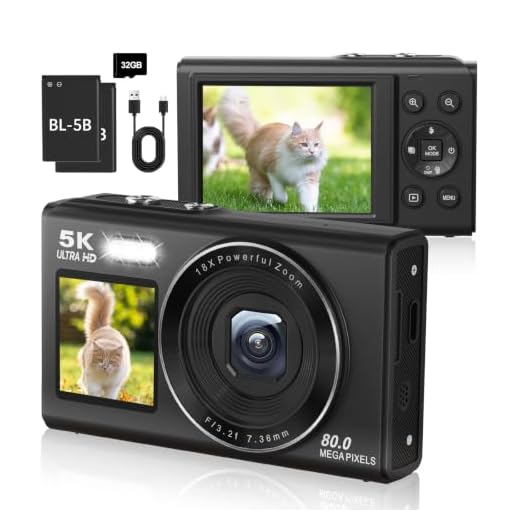
Another area of development is increasing the resolution of camera sensors. This allows for more detailed and higher-quality images to be captured, providing users with greater flexibility when it comes to editing and cropping photos.
Additionally, manufacturers are working on improving the dynamic range of camera sensors, allowing them to capture a wider range of tones and colors in a single image. This results in more lifelike and vibrant photos that truly stand out.
Overall, the future of camera sensor innovation holds great promise, with manufacturers continuously pushing the boundaries of technology to deliver the best possible imaging experience to consumers.
FAQ
Who is credited with creating the digital camera sensor?
The digital camera sensor was created by engineer Eric Fossum and his team at NASA’s Jet Propulsion Laboratory in the 1990s. They developed the CMOS active pixel sensor technology that revolutionized digital imaging.
What was the significance of the invention of the digital camera sensor?
The invention of the digital camera sensor was significant as it paved the way for a new era in photography by enabling the transition from film to digital imaging. It revolutionized the way photos are taken, stored, and shared, leading to the widespread adoption of digital cameras.
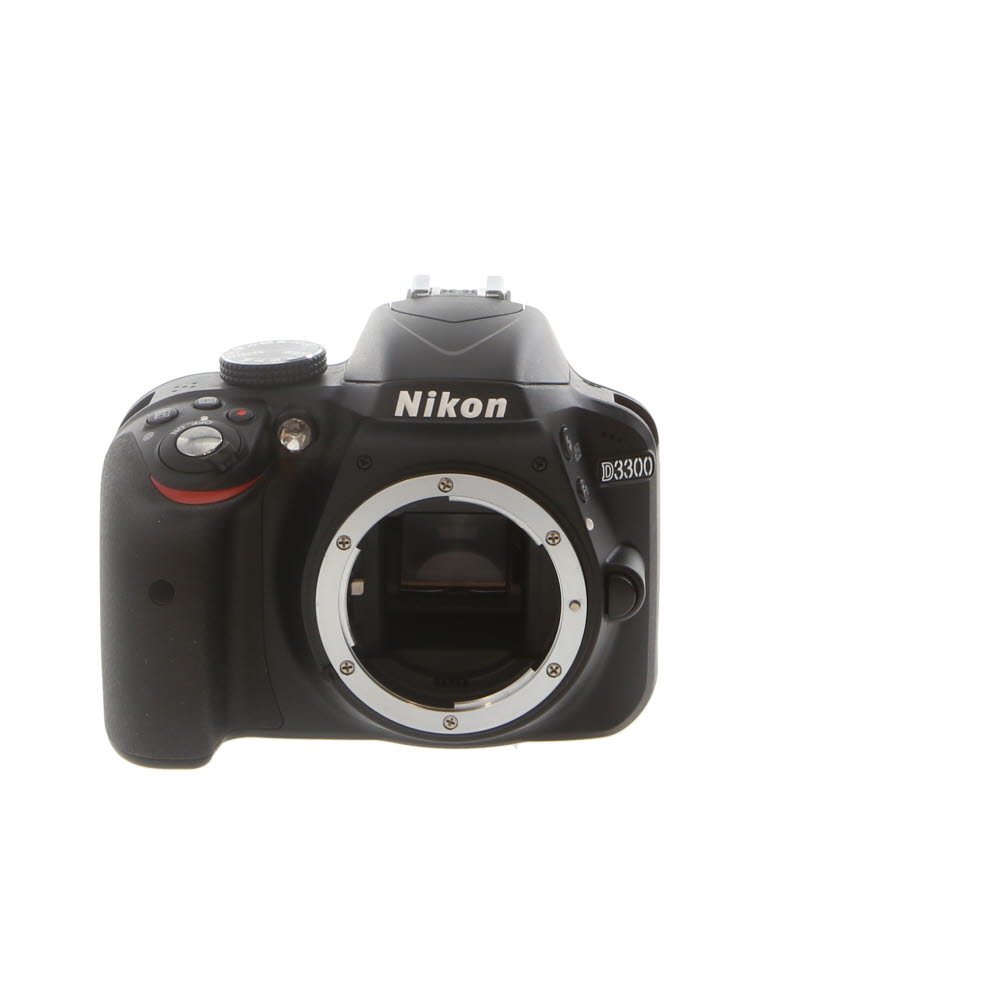
How has the digital camera sensor technology evolved since its creation?
Since the creation of the digital camera sensor, the technology has evolved rapidly, leading to improvements in image quality, resolution, low-light performance, and speed. Manufacturers have continued to innovate and develop new sensor technologies to meet the growing demands of photographers and enthusiasts.



What specifically did Steven Sasson and his team at Kodak contribute to the first digital camera sensor? Did they create the CCD technology or just utilize it?
Sasson and his team developed the first prototype of a digital camera using the CCD sensor, which had already been invented by Boyle and Smith. They didn't create the CCD, but they were the first to use it in a digital camera.
I've been using digital cameras for years, and it’s fascinating to think about how far we've come since the early days of digital sensors. My first camera had a CCD sensor, and I remember the image quality being decent for its time, but now with CMOS sensors, the difference is night and day. I can capture better photos even in low light. It makes you appreciate the technology behind it all!