
 Carmen J. Moore
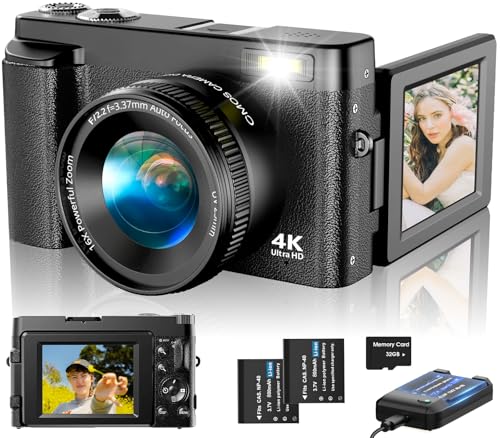
Cell phones have come a long way since their inception, evolving from simple communication devices to powerful pocket-sized computers. One of the key features that revolutionized the way we use cell phones was the integration of digital cameras.

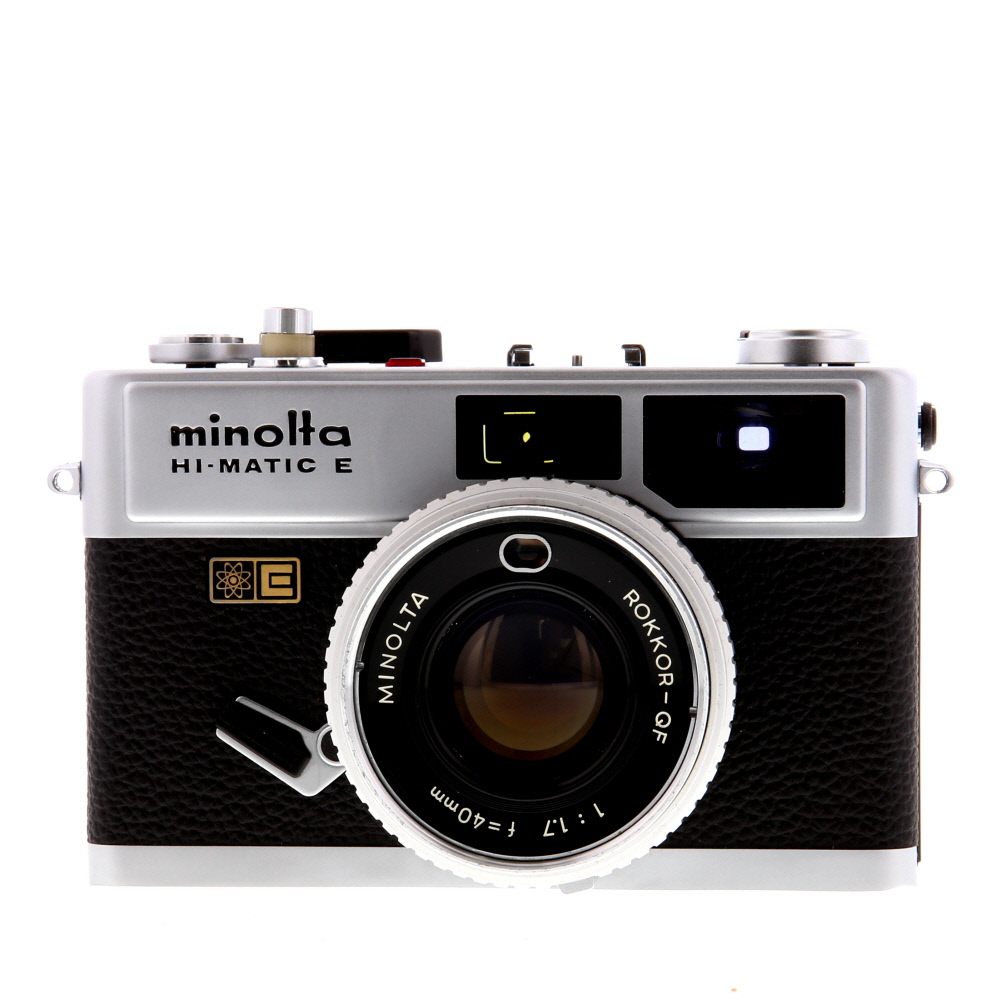
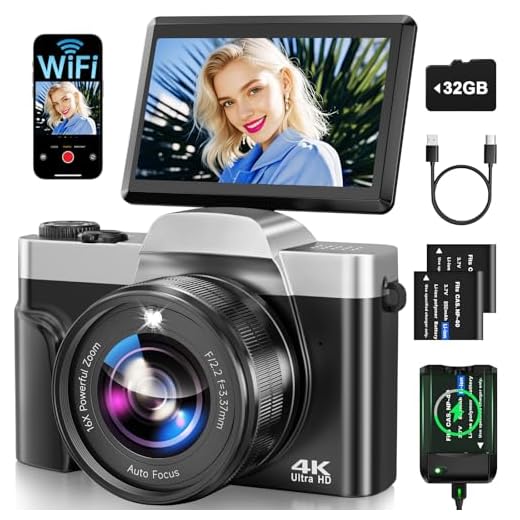
The first digital camera-equipped cell phone was the J-SH04, released by Sharp in Japan in November 2000. This milestone marked the beginning of a new era in mobile photography, allowing users to capture moments on the go without the need for a separate camera.
As technology advanced, digital cameras on cell phones improved in quality and functionality, paving the way for the rise of smartphone photography. Today, it’s hard to imagine a cell phone without a camera, but it all started with the pioneering efforts of companies like Sharp in the early 2000s.
History of Digital Cameras in Cell Phones
The integration of digital cameras into cell phones has revolutionized the way we capture and share moments. Let’s take a look at the timeline of this technological advancement:
1997 – The Birth of Camera Phones
The first digital camera phone, the Kyocera Visual Phone VP-210, was introduced in Japan. This device allowed users to capture low-resolution images and send them via email.
2002 – Camera Phones Go Global
Nokia launched the Nokia 7650, one of the first camera phones available globally. It featured a VGA camera and paved the way for the widespread adoption of camera phones.

- 2005 – Megapixel Madness
- 2007 – iPhone Revolution
Camera phones started to improve in quality, with the introduction of phones like the Sony Ericsson K750i, which featured a 2-megapixel camera.
Apple’s iPhone brought high-quality digital photography to the masses with its 2-megapixel camera and easy-to-use interface.
Since then, digital cameras in cell phones have continued to evolve, with higher resolutions, advanced features, and integration with social media platforms. Today, it’s hard to imagine a phone without a camera!
Emergence of Camera Phones
Camera phones, also known as camera-enabled cell phones, started to emerge in the early 2000s. The first commercially available camera phone was the J-SH04, released by Sharp in Japan in November 2000. This phone featured a 0.11-megapixel camera, paving the way for the integration of cameras into mobile devices.
Following the success of the J-SH04, other manufacturers quickly jumped on the trend, with Nokia releasing the Nokia 7650 in 2002, which was the first camera phone to be widely available in Europe. The 7650 had a 0.3-megapixel camera and marked the beginning of the camera phone revolution.
As technology advanced, camera phones became more popular and sophisticated, with higher-resolution cameras, improved image quality, and additional features such as flash and zoom capabilities. Today, camera phones are ubiquitous, with most smartphones equipped with high-quality cameras that rival standalone digital cameras.
Integration of Digital Cameras in Cell Phones
Cell phones with integrated digital cameras have become ubiquitous in the modern era, revolutionizing the way we capture and share moments. The integration of digital cameras in cell phones has drastically changed the photography landscape, making it more accessible and convenient for users to take high-quality photos on the go.
Evolution of Digital Cameras in Cell Phones
The first cell phones with built-in digital cameras started appearing in the early 2000s. These early cameras were basic in terms of resolution and features, but they laid the foundation for the advancements to come. Over the years, cell phone cameras have evolved to rival standalone digital cameras in terms of image quality and functionality.
Impact on Photography and Communication
The integration of digital cameras in cell phones has democratized photography, allowing people from all walks of life to capture and share moments instantly. It has also changed the way we communicate, as images have become a central part of our daily interactions through social media and messaging platforms.
Evolution of Camera Phone Technology
Camera phones have come a long way since they were first introduced in the early 2000s. The first camera phone, the J-SH04, was released by Sharp in 2000 in Japan. It had a resolution of 0.11 megapixels, which was a major advancement at the time.

Over the years, camera phone technology has improved significantly. Manufacturers started incorporating higher resolution sensors, better lenses, and more advanced image processing algorithms. This led to the development of smartphones with high-quality cameras that could rival standalone digital cameras.
Today, camera phones are capable of capturing stunning photos and videos thanks to features like multiple lenses, optical image stabilization, and AI-powered enhancements. They have become an essential tool for photography enthusiasts, social media influencers, and everyday users alike.
Impact of Camera Phones on Society
Camera phones have had a significant impact on society since their introduction. The ability to capture images and videos on the go has revolutionized how we communicate and share moments with others.
1. Social Media and Selfie Culture
Camera phones have fueled the rise of social media platforms like Instagram and Snapchat, where sharing photos and videos has become a central part of online interactions. The selfie culture, where people take and share self-portraits, has become a global phenomenon thanks to camera phones.
2. Citizen Journalism and Accountability
Camera phones have empowered individuals to become citizen journalists, capturing important events and sharing them with the world in real time. This has led to increased transparency and accountability in society, as people can now document and share incidents of injustice or wrongdoing.

- 3. Privacy Concerns
- 4. Visual Documentation
- 5. Personal and Professional Photography
Future Trends in Cell Phone Camera Development
As technology advances, cell phone cameras continue to improve in quality and functionality. Here are some future trends to look out for in cell phone camera development:
1. Improved Sensor Technology
Manufacturers are constantly working on developing smaller, more efficient sensors for cell phone cameras. This allows for better image quality, especially in low-light conditions.
2. Enhanced Zoom Capabilities
With advancements in optical and digital zoom technology, future cell phone cameras will offer even better zoom capabilities without compromising image quality.
| Feature | Advantages |
|---|---|
| AI-Powered Image Processing | Enhanced image quality and post-processing effects |
| 3D Imaging | Improved depth perception and augmented reality experiences |
| Multi-Lens Systems | Enhanced zoom, wide-angle, and macro capabilities |
FAQ
When did digital cameras first appear on cell phones?
Digital cameras first appeared on cell phones in the early 2000s. The first cell phone with a built-in digital camera was the Sharp J-SH04, released in Japan in 2000. This marked the beginning of the integration of digital cameras into mobile phones.
How has the quality of digital cameras on cell phones evolved over time?
The quality of digital cameras on cell phones has evolved significantly over the years. Initially, the cameras were low resolution and produced grainy images. However, with advancements in technology, modern cell phone cameras can now rival traditional digital cameras in terms of image quality and features. Today, cell phone cameras offer high-resolution photos, optical zoom, image stabilization, and advanced editing capabilities.


I remember getting my first camera phone in 2005, and it was a Sony Ericsson K750i. The image quality at that time was a game-changer for me. It felt amazing to capture moments instantly without carrying a separate camera. Now, I can't imagine life without my smartphone camera!
I don’t think smartphone cameras are better than professional cameras. There’s still a quality difference that can't be ignored.