
 Carmen J. Moore

In the early days of digital photography, digital cameras were considered a luxury item reserved for professional photographers and enthusiasts. The high cost of early digital cameras made them inaccessible to the average consumer.


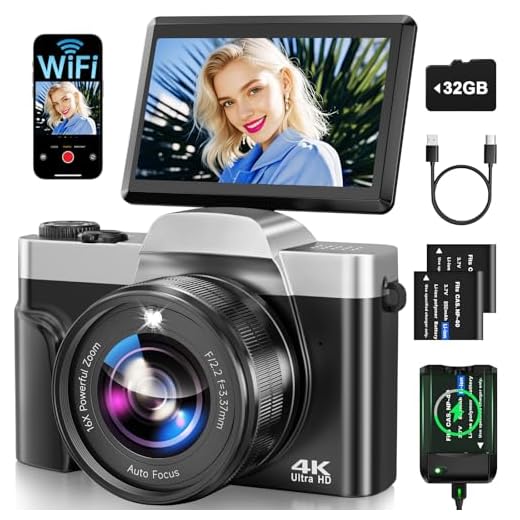
However, as technology advanced and production costs decreased, digital cameras became more affordable and widely available to the general public. The shift towards affordability can be traced back to the late 1990s and early 2000s when companies like Canon, Nikon, and Sony began producing consumer-friendly digital cameras at lower price points.
With the introduction of compact point-and-shoot models and entry-level DSLRs, digital photography became more accessible to a broader audience. The democratization of digital cameras revolutionized the way people capture and share moments, making photography a ubiquitous part of modern life.
The Evolution of Digital Cameras
In the early 1990s, digital cameras started to emerge as a new technology, but they were bulky, expensive, and had low resolution. These early digital cameras were mainly used by professionals and enthusiasts.
Advancements in the 2000s
By the early 2000s, digital cameras became more compact, affordable, and user-friendly. The resolution improved significantly, and features such as zoom capabilities and image stabilization were added.
With the rise of social media and the increasing demand for sharing photos online, digital cameras became even more popular and accessible to the general public.

Current Trends
Today, digital cameras continue to evolve with advancements in sensor technology, image processing, and connectivity. Mirrorless cameras and DSLRs offer high-quality images and versatility for photographers of all levels.
Smartphones have also become a major player in the digital photography market, with their convenience and quality improving with each new model. Despite the competition from smartphones, dedicated digital cameras still have a place for professional photographers and photography enthusiasts.
From Expensive Gadget to Common Device
In the early days of digital photography, digital cameras were considered luxury items and were quite expensive. They were mostly used by professionals and enthusiasts who were willing to invest a significant amount of money in this new technology.
However, as technology advanced and competition in the market increased, digital cameras became more affordable and accessible to the general public. This shift can be attributed to improvements in manufacturing processes, economies of scale, and the development of more cost-effective components.
The Turning Point
The turning point for digital cameras becoming affordable can be traced back to the early 2000s when companies started introducing entry-level models with lower price points. These cameras offered basic features and functionalities but allowed consumers to experience the benefits of digital photography without breaking the bank.
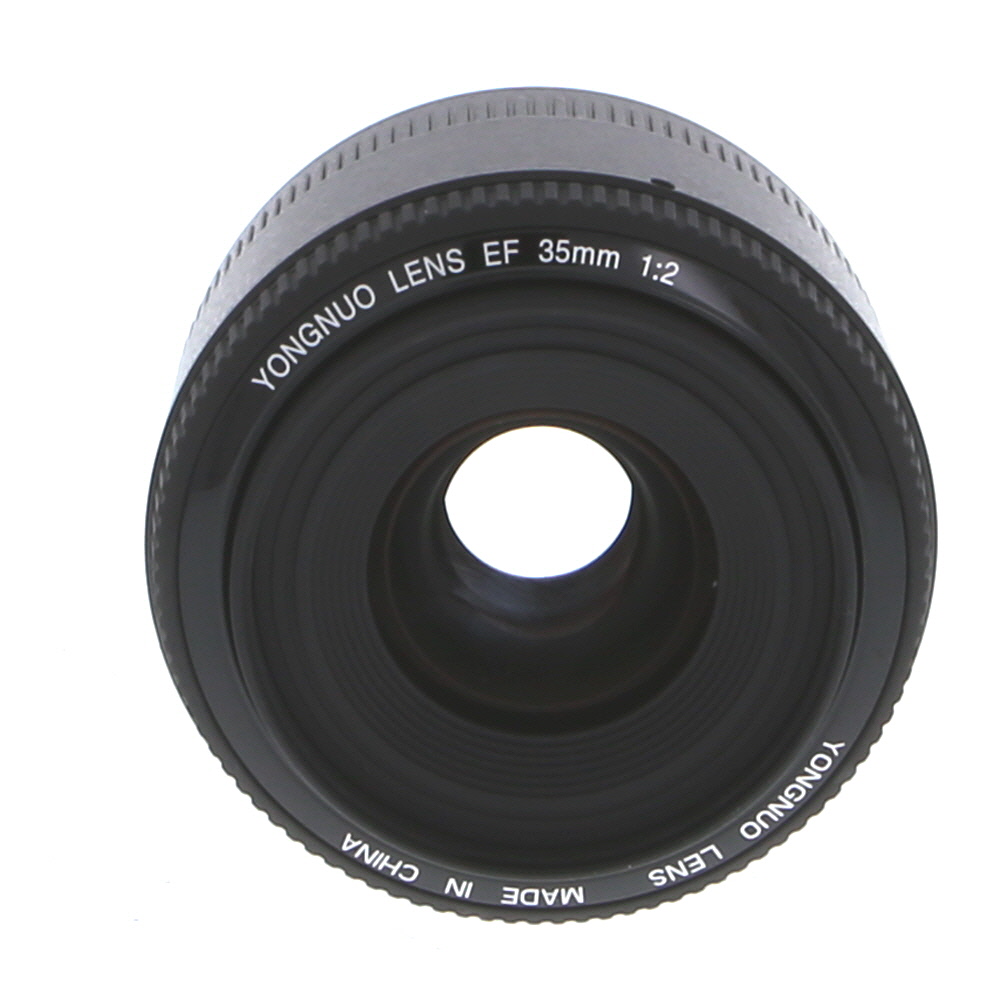
Over the years, digital cameras have continued to evolve and become even more affordable, with a wide range of options available across different price points. Today, digital cameras are no longer considered luxury items but have become common devices that are accessible to a wider audience.
Early Days of Digital Imaging
In the early days of digital imaging, the concept of capturing and storing images electronically was a revolutionary idea. The first digital camera was invented by Steven Sasson at Eastman Kodak in 1975. This prototype camera was the size of a toaster and captured black-and-white images at a resolution of 0.01 megapixels.
Over the next few decades, digital imaging technology advanced rapidly, but early digital cameras were expensive and out of reach for most consumers. It wasn’t until the late 1990s and early 2000s that digital cameras became more affordable and accessible to the general public.
Thanks to advancements in technology and manufacturing processes, digital cameras started to offer higher resolutions, better image quality, and more features at lower price points. This shift in affordability played a significant role in the widespread adoption of digital photography among consumers and professionals alike.
Technological Advancements in Cameras
Cameras have undergone significant technological advancements over the years, leading to improvements in image quality, speed, and functionality. Here are some key innovations that have shaped the evolution of cameras:

- Digital Sensors: The introduction of digital sensors revolutionized photography by allowing images to be captured and stored in digital format. This eliminated the need for film and made the process more convenient and cost-effective.
- Resolution: Advances in sensor technology have led to higher resolution cameras, enabling photographers to capture more detail in their images. Higher resolution cameras have become more accessible and affordable over time.
- Auto-Focus Systems: Auto-focus systems have improved significantly, providing faster and more accurate focusing capabilities. This has made it easier for photographers to capture sharp images in various shooting conditions.
- Image Stabilization: Image stabilization technology helps reduce blur caused by camera shake, allowing photographers to take sharper photos even in low light situations or when using telephoto lenses.
- Wireless Connectivity: Many modern cameras now come equipped with wireless connectivity options, allowing photographers to easily transfer images to their devices or share them online without the need for cables.
- Advanced Software Features: Cameras now offer a wide range of advanced software features, such as in-camera editing, creative filters, and scene modes, enhancing the creative possibilities for photographers of all skill levels.
Impact of Competition on Prices
Competition in the digital camera market played a significant role in making these devices more affordable over time. As more manufacturers entered the market and technology improved, prices began to drop due to competitive pressures.
Increased Innovation: Competition drove companies to innovate and develop new features and technologies to attract customers. This resulted in a rapid advancement in digital camera technology, making newer models more affordable than their predecessors.
Market Saturation: With numerous players in the market, companies had to offer competitive prices to capture market share. This led to price wars and promotions, further lowering the cost of digital cameras.
Changing Consumer Behavior
As digital cameras became more affordable, consumer behavior started to shift. People were no longer constrained by film rolls or disposable cameras; they could now take hundreds of photos without worrying about the cost of developing them. This led to a significant increase in the number of photos taken and shared online.
The Rise of Social Media
Social media platforms like Facebook, Instagram, and Snapchat became popular around the same time as affordable digital cameras. Users were eager to share their photos with friends and family, leading to the creation of a new digital culture centered around visual content.

Impact on Photography Industry
The affordability of digital cameras also democratized photography, making it more accessible to a wider audience. Professional photographers faced increased competition from amateur enthusiasts, but also benefited from the growing demand for visual content in the digital age.
Rise of Smartphone Photography
Smartphone photography has become increasingly popular due to its convenience and accessibility. The ease of use and the ability to instantly share photos on social media platforms have made smartphone cameras a preferred choice for many people. Additionally, the continuous improvement in camera technology in smartphones has led to higher image quality and advanced features, rivaling traditional digital cameras.
As smartphones continue to evolve, so does smartphone photography. From portrait mode to night mode, smartphones now offer a wide range of features that cater to different photography styles. The rise of smartphone photography has democratized the art of capturing moments, making it accessible to everyone.
Overall, the rise of smartphone photography has played a significant role in shaping the way we document our lives. Whether it’s a casual snapshot or a carefully composed shot, smartphones have empowered individuals to express their creativity through photography in a way that was not possible before.
Future Trends in Camera Pricing
As technology advances and production costs decrease, the prices of digital cameras are likely to continue to drop. This trend has been evident over the past few decades, with cameras becoming more affordable and accessible to consumers of all budgets.
One key trend to watch for in the future is the integration of advanced features into lower-priced camera models. As technology improves, manufacturers are able to include features such as high-resolution sensors, advanced autofocus systems, and image stabilization in cameras at lower price points.
Another trend to consider is the rise of smartphone photography. With the improvement of smartphone cameras and the convenience of having a camera built into a device that most people carry with them at all times, the demand for standalone digital cameras may decrease. This could lead to further price reductions in the camera market as manufacturers compete for customers.
Overall, the future of camera pricing looks promising for consumers, with continued advancements in technology and competition likely to drive prices down and make high-quality cameras more accessible to a wider audience.
Digital Camera Market Today
In the modern digital camera market, consumers have a wide range of options to choose from. With advancements in technology, digital cameras have become more affordable and accessible to the average consumer. Today, digital cameras come in various shapes and sizes, ranging from compact point-and-shoot models to professional DSLRs.
One of the major trends in the digital camera market today is the rise of mirrorless cameras. These cameras offer high-quality images and interchangeable lenses in a smaller and lighter package compared to traditional DSLRs. Mirrorless cameras have gained popularity among both amateur and professional photographers for their versatility and portability.
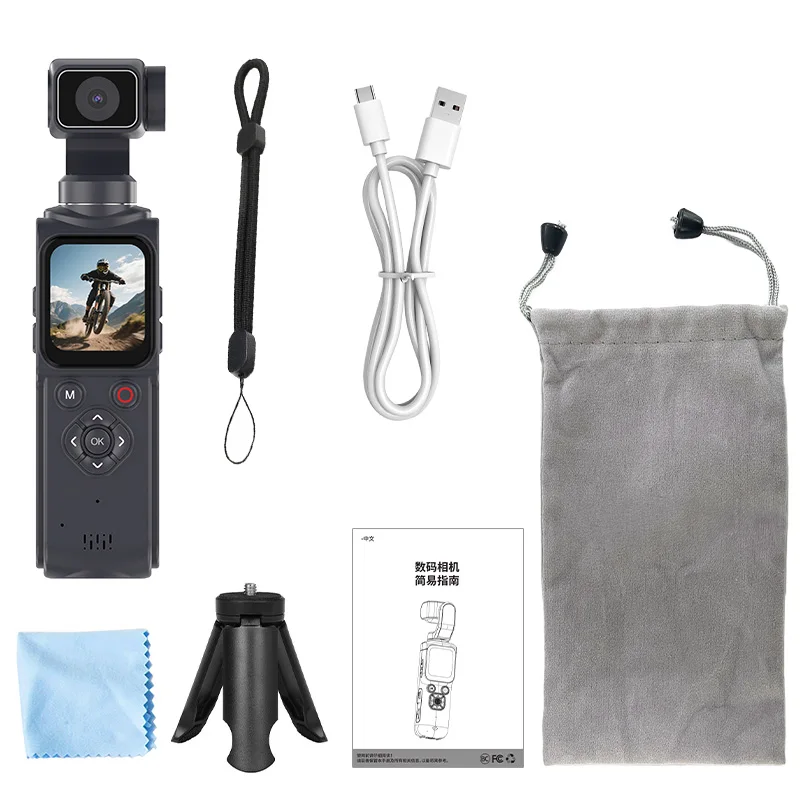
Key Features:
- High Resolution: Modern digital cameras offer high-resolution sensors that capture detailed images.
- Connectivity: Many digital cameras now come with built-in Wi-Fi or Bluetooth connectivity for easy sharing of photos.
- Video Capabilities: Digital cameras today often include video recording features, allowing users to capture high-quality videos.
Overall, the digital camera market continues to evolve, with new features and technologies being introduced regularly. As a result, consumers have more choices than ever when it comes to selecting a digital camera that meets their needs and budget.
FAQ
When did digital cameras first become affordable for the general public?
Digital cameras first became affordable for the general public in the early 2000s. Before that, they were quite expensive and considered a luxury item, but advancements in technology and manufacturing processes made them more accessible to a wider audience.
What factors contributed to the decrease in price of digital cameras over the years?
Several factors contributed to the decrease in price of digital cameras over the years. These include advancements in technology, economies of scale, increased competition among manufacturers, and improvements in manufacturing processes. All of these factors combined to make digital cameras more affordable for consumers.
How has the affordability of digital cameras changed over time?
The affordability of digital cameras has changed significantly over time. In the early days of digital photography, cameras were quite expensive and out of reach for many people. However, as technology improved and manufacturing costs decreased, digital cameras became more affordable and accessible to a wider range of consumers. Today, you can find a wide variety of digital cameras at affordable price points to suit different budgets and needs.



I disagree that digital cameras are 'common devices' today. I feel like most people still rely on their smartphones for everyday photos. What do you think?
I remember buying my first digital camera in 2005. It was a Canon point-and-shoot, and it was so much cheaper than the earlier models I'd seen. I think it was around $200, which felt reasonable at the time!
Can someone explain how the technological advancements in the early 2000s specifically led to lower prices? Was it just competition, or were there other factors?
Great question! The decrease in prices was largely driven by improvements in manufacturing processes and component costs. As more manufacturers entered the market, competition led to innovations that made production cheaper, which in turn lowered retail prices.
When exactly did digital cameras start becoming affordable for the average consumer?
I've been looking into both digital cameras and smartphones for photography. While smartphones are super convenient, I feel like dedicated cameras still have better image quality. Does anyone else notice a big difference in photos taken with DSLRs vs. those taken with smartphones?
Totally agree! DSLRs have way better depth of field and low-light capabilities. I used my friend's DSLR for a party, and the photos came out so much clearer than mine from my phone.
I remember getting my first digital camera in the early 2000s. It was a Canon point-and-shoot, and I was amazed at how easy it was to use compared to my old film camera. The prices were still a bit steep back then, but it felt like a revolution in photography. Now, I can't even imagine going back to film. It's fascinating to see how far we've come!