
 Carmen J. Moore

Long before smartphones with high-resolution cameras in every pocket, capturing a moment in time meant loading a roll of film into a camera, carefully framing the shot, and waiting for the film to be developed to see the results. Yes, we are talking about a time when digital cameras were not a big thing yet.
Photography was a much more deliberate and thoughtful process back then, with each click of the shutter button holding a certain weight and significance. There was an art to choosing the right film speed, adjusting the aperture, and focusing the lens to get the perfect shot.
Those who remember the days of film photography often have a special appreciation for the craft, as it required patience, skill, and a keen eye for composition. While digital cameras have made photography more accessible and convenient, there is something nostalgic and romantic about the days when capturing a moment in time was a more analog affair.
The Evolution of Photography
Photography has come a long way since its inception in the early 19th century. The first permanent photograph was taken in 1826 by Joseph Nicéphore Niépce, using a technique known as heliography. This marked the beginning of a revolution in the way we capture and preserve images.

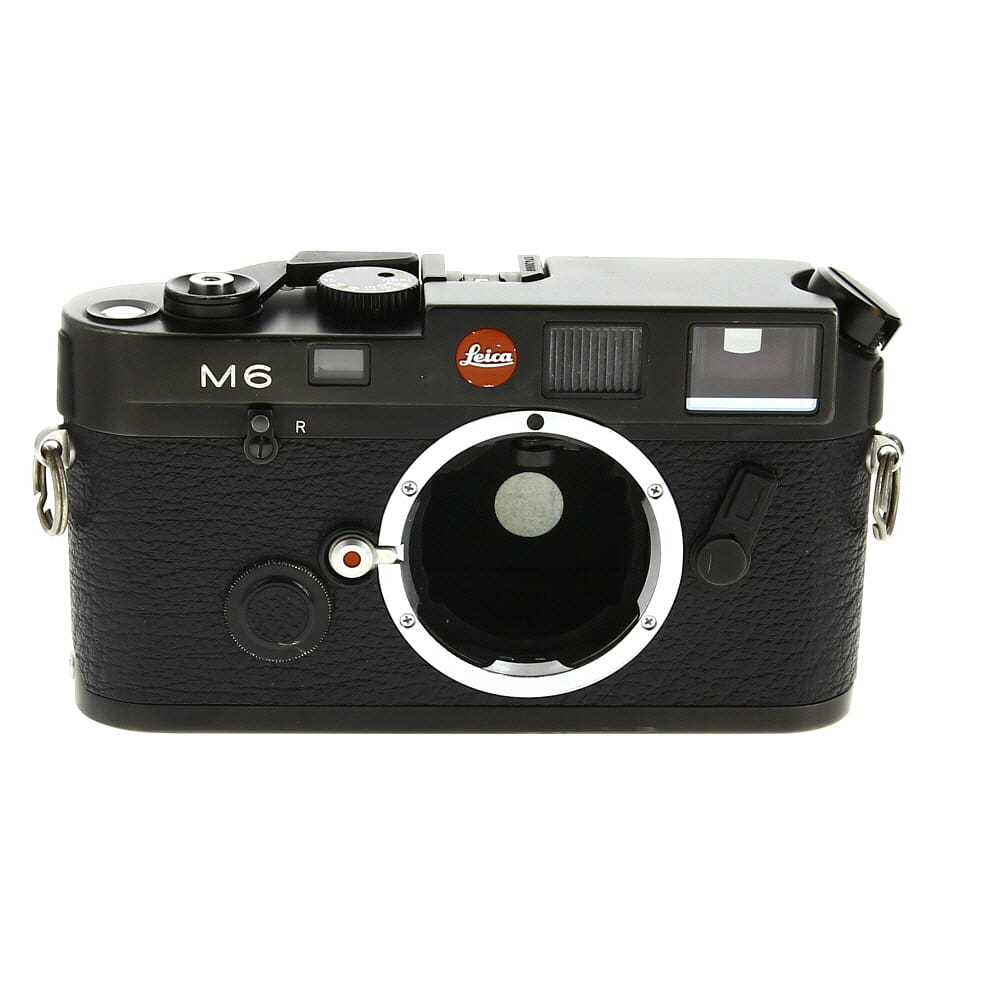
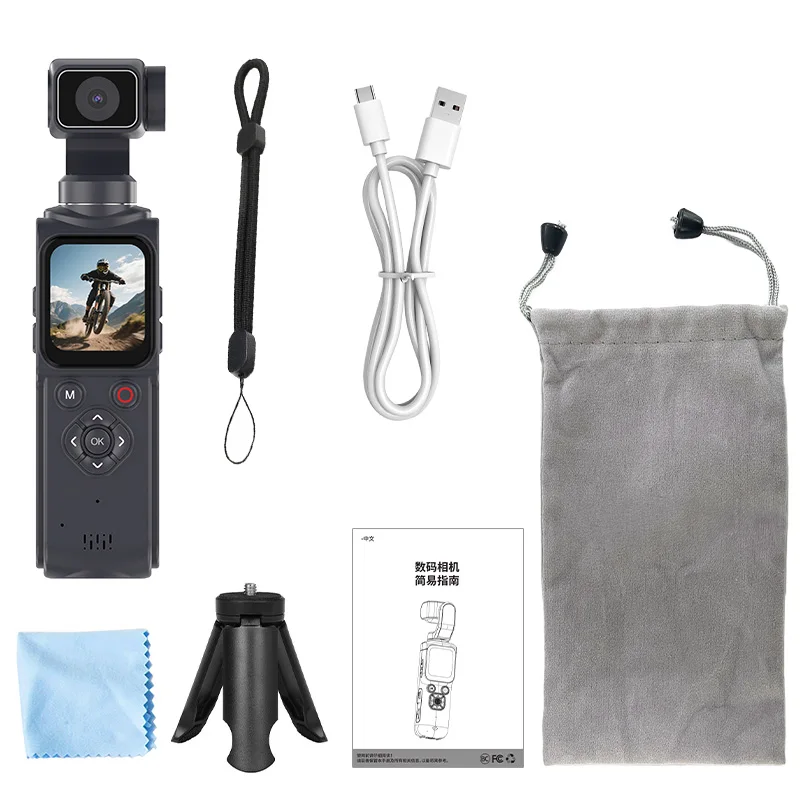

Over the years, photography has evolved significantly, with advancements in technology leading to the development of various types of cameras, from film cameras to digital cameras. Each new innovation brought about improvements in image quality, convenience, and accessibility.
When digital cameras were not a big thing yet, photographers relied on film cameras, which required film rolls for capturing images. Developing and printing the film was a time-consuming process, but it allowed photographers to create physical copies of their images.
With the advent of digital cameras, photographers were able to instantly view and store their images on memory cards, eliminating the need for film rolls and the development process. This made photography more accessible and convenient, leading to a surge in the popularity of digital photography.
Today, photography continues to evolve with the rise of smartphone cameras, mirrorless cameras, and advancements in image editing software. The evolution of photography has transformed the way we capture and share moments, making it easier than ever to preserve memories for generations to come.
Early Days of Photography
In the early days of photography, capturing an image was a time-consuming and complex process. The first permanent photograph was taken in 1826 by Joseph Nicéphore Niépce, using a process known as heliography. This involved exposing a coated plate to light for several hours to create an image.

Development of Daguerreotype
In 1839, Louis Daguerre introduced the daguerreotype, a photographic process that reduced exposure time to just a few minutes. This marked a significant advancement in photography, making it more accessible to the general public.
Evolution of Cameras
Over the years, cameras evolved from bulky, large-format devices to more compact and portable models. The introduction of film in the late 19th century revolutionized photography, allowing for multiple exposures and easier processing.
- Introduction of 35mm film in the early 20th century
- Advancements in color photography
- Digital revolution in the late 20th century
Polaroid Instant Cameras
Before digital cameras became ubiquitous, Polaroid instant cameras were a popular choice for capturing memories instantly. These cameras allowed you to take a photo and have a print in your hand within minutes, without the need for a darkroom or a trip to the photo lab.
Innovative Technology
Polaroid instant cameras used a unique self-developing film that produced instant prints. The technology behind these cameras was revolutionary at the time, allowing users to see their photos right away.
Iconic Design
One of the most iconic features of Polaroid instant cameras was their distinctive design, with the classic white border around the instant prints. These cameras were not only functional but also stylish, making them a popular choice for amateur photographers and enthusiasts alike.
The Rise of Disposable Cameras
Before the era of digital cameras, disposable cameras were a popular choice for capturing memories. These single-use cameras were convenient and affordable, making them a favorite among casual photographers and travelers.
Disposable cameras were simple to use – users just had to point and shoot. They were also lightweight and compact, making them easy to carry around. This made them ideal for events like weddings, parties, and vacations.
One of the biggest advantages of disposable cameras was that they didn’t require any additional equipment or accessories. Users didn’t have to worry about batteries, memory cards, or complicated settings. They were ready to use right out of the box.
Disposable cameras became a popular choice for capturing candid moments and spontaneous shots. People enjoyed the element of surprise, not knowing how the photos would turn out until they were developed.
| Overall, disposable cameras offered a fun and hassle-free way to capture memories in the pre-digital camera era. While they may have been replaced by digital cameras, their charm and simplicity still hold a special place in the hearts of many photography enthusiasts. |
Transition to Digital Photography
Before digital cameras became mainstream, photography was primarily done using film cameras. Photographers had to carefully consider each shot, as film rolls were limited in the number of exposures they could capture. Developing film was a time-consuming and costly process, requiring special equipment and darkroom skills.
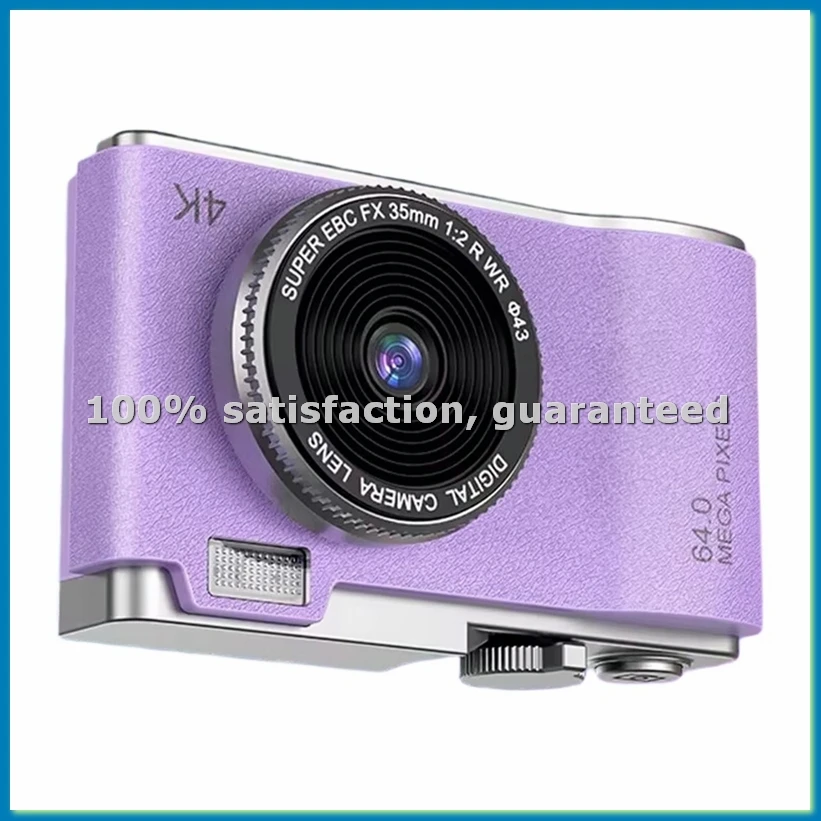
However, with the advent of digital photography, the industry underwent a significant transformation. Digital cameras allowed photographers to instantly view and delete photos, making it easier to experiment with different angles and compositions. The ability to take hundreds of photos on a single memory card revolutionized the way photographers worked, enabling them to capture more moments and choose the best shots later.
Furthermore, digital photography eliminated the need for film processing, saving photographers time and money. Editing software such as Photoshop also made it possible to enhance and manipulate images in ways that were previously impossible with traditional film photography.
Overall, the transition to digital photography marked a major shift in the industry, empowering photographers with new tools and capabilities to express their creativity and capture moments in ways that were not possible before.
Revolution of DSLR Cameras
Before the rise of DSLR cameras, photography was dominated by film cameras. These cameras required film rolls to capture images, which had to be developed and printed before seeing the final result. This process was time-consuming and costly, limiting the number of shots photographers could take.
However, with the advent of DSLR cameras, everything changed. DSLR stands for Digital Single-Lens Reflex, and these cameras revolutionized photography by allowing photographers to instantly see the images they captured on a digital screen. This instant feedback enabled photographers to adjust their settings on the fly, resulting in better quality images and more creative control.

DSLR cameras also offered a wide range of features, such as interchangeable lenses, manual controls, and advanced autofocus systems, making them versatile tools for photographers of all skill levels. Additionally, the ability to shoot in RAW format provided photographers with more flexibility in post-processing.
Overall, the revolution of DSLR cameras marked a significant shift in the world of photography, democratizing the art form and empowering photographers to push the boundaries of their creativity.
Smartphone Photography Era
With the rise of smartphones, photography has become more accessible and widespread than ever before. Gone are the days when digital cameras were the primary tool for capturing moments. Smartphones now offer high-quality cameras with advanced features that rival traditional cameras.
The Convenience of Smartphone Photography
Smartphones are compact, lightweight, and always at hand, making them the perfect tool for spontaneous photography. You no longer need to carry a separate camera to capture memorable moments; your smartphone is all you need.
Advancements in Smartphone Camera Technology
- Smartphone cameras have evolved rapidly, with improvements in sensor technology, image processing, and software algorithms.
- Features like portrait mode, night mode, and AI-enhanced photography have revolutionized the way we take photos.
- Many professional photographers now use smartphones as their primary camera due to the impressive quality and versatility they offer.
Future of Photography Technology
In the early days when digital cameras were not yet a big thing, photography technology was limited by the capabilities of film cameras. However, with the rapid advancement of technology, the future of photography looks promising and exciting.
Artificial Intelligence in Photography
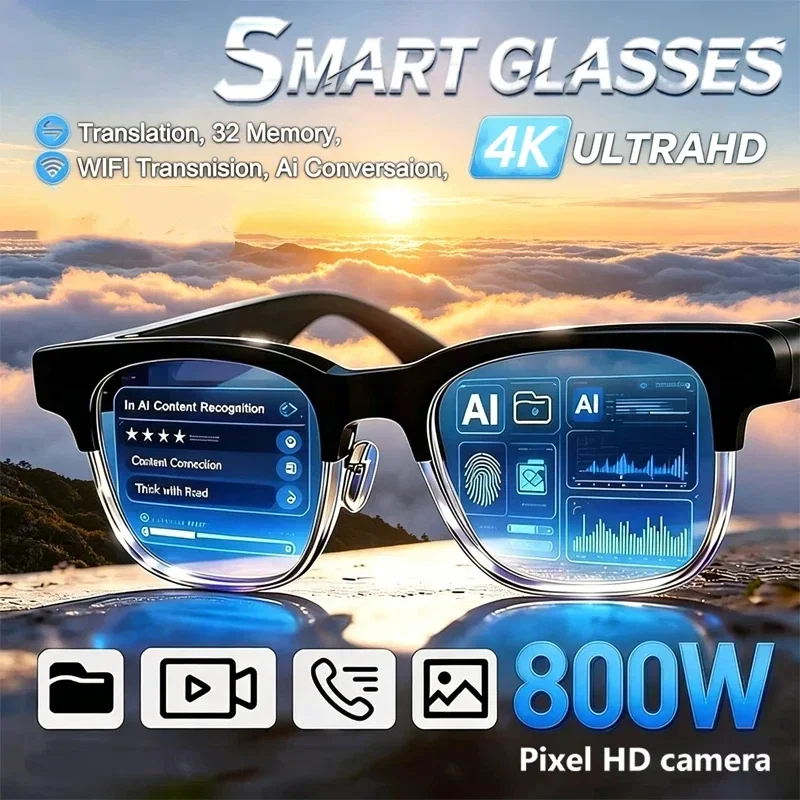
One of the key trends shaping the future of photography is the integration of artificial intelligence (AI) technology. AI-powered cameras can automatically adjust settings, recognize scenes, and even enhance images in real-time. This technology is revolutionizing the way we capture and edit photos.
Virtual Reality and 360-Degree Photography
Another exciting development in photography technology is the rise of virtual reality (VR) and 360-degree photography. With VR cameras, users can immerse themselves in a completely different world and experience photography in a whole new dimension. This technology is set to redefine the way we view and interact with images.
FAQ
How did people take photos before digital cameras became popular?
Before the digital camera era, people primarily used film cameras to capture photographs. They would load rolls of film into their cameras, take pictures, and then have the film developed to see the images. This process was more time-consuming and costly compared to digital photography.
What were some limitations of using film cameras compared to digital cameras?
Using film cameras had several limitations compared to digital cameras. Firstly, film cameras had a limited number of exposures per roll of film, so photographers had to carefully choose their shots. Additionally, film development took time, and photographers had to wait to see the results. The quality of images was also influenced by the type of film used, and adjustments had to be made during shooting rather than in post-processing like with digital cameras.
How did the arrival of digital cameras change the photography industry?
The introduction of digital cameras revolutionized the photography industry. It made photography more accessible to the general public, as images could be instantly viewed and shared without the need for film processing. Digital cameras also allowed for easier editing and manipulation of images, leading to new creative possibilities. The convenience of digital photography led to the decline of film cameras and the rise of digital technology in all aspects of photography.


What do you think made film photography more special than digital? Was it just the anticipation of waiting for the photos, or was it something else?
I believe it was definitely the anticipation! Plus, the skill involved in getting the perfect shot with film added a unique challenge that many miss with digital.
I still remember using my first film camera. Loading the film, checking the exposure settings, and then waiting for days to develop the rolls was an experience! I miss the excitement of seeing how they turned out – no instant previews like today. It made every photo feel more meaningful.
That's really interesting! I grew up with digital, so I don't quite get that excitement. It sounds like a more engaging process than just snapping away.