
 Carmen J. Moore

The digital camera revolutionized the way we capture and store memories, but when did it truly become a mainstream device?
It was in the late 1990s and early 2000s that digital cameras started to gain widespread popularity among consumers.
With the rise of digital technology and the decline of film photography, more and more people began to embrace the convenience and flexibility of digital cameras.
Evolution of Digital Cameras
Early Digital Cameras: The first digital camera was developed by Kodak engineer Steven Sasson in 1975. It weighed 8 pounds and had a resolution of 0.01 megapixels. This early digital camera used a cassette tape to store images.

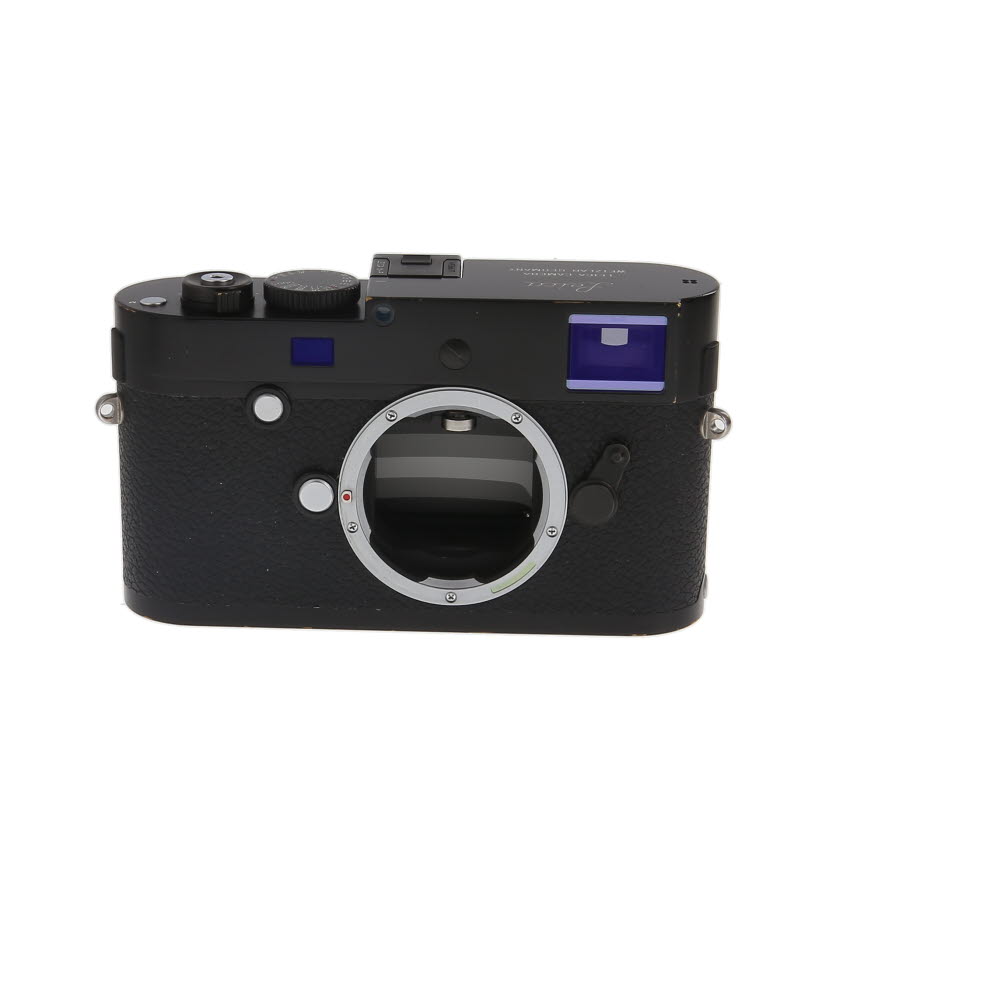
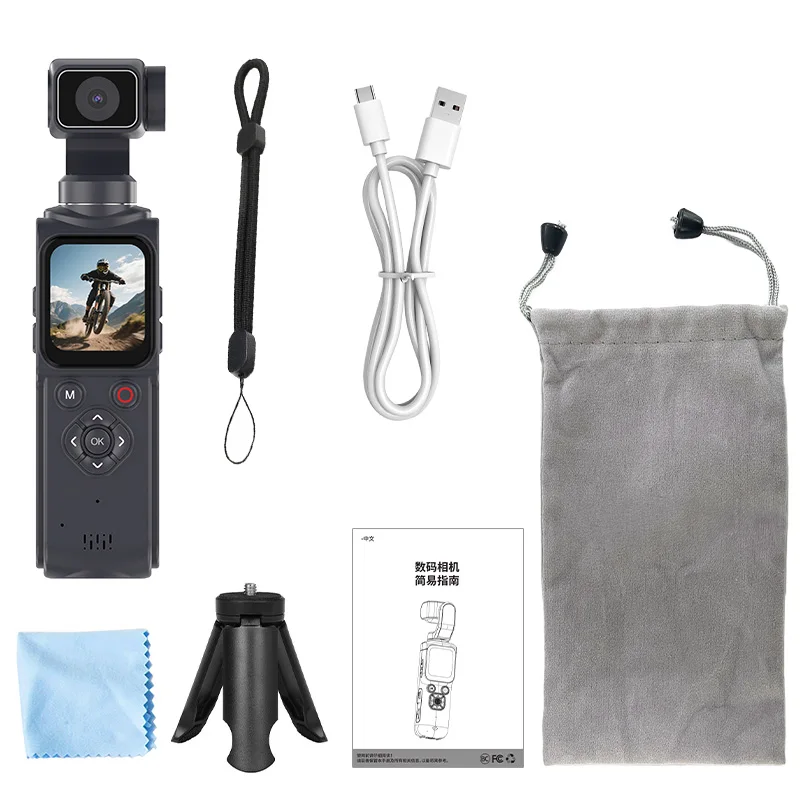

Advancements in Resolution and Storage: Over the years, digital cameras evolved rapidly, with improvements in resolution, storage capacity, and image quality. By the mid-1990s, digital cameras were becoming more compact and affordable for consumers.
Introduction of Megapixel Cameras: In the early 2000s, digital cameras capable of capturing images with resolutions of multiple megapixels became mainstream. This marked a significant milestone in the evolution of digital photography.
Integration with Smartphones: With the rise of smartphones in the late 2000s, digital cameras faced competition from the built-in cameras in mobile devices. However, digital camera manufacturers responded by focusing on high-end cameras with advanced features.
Current Trends: Today, digital cameras continue to evolve with innovations such as mirrorless cameras, 4K video recording, and improved image stabilization. Despite the popularity of smartphone photography, digital cameras remain essential tools for professional photographers and enthusiasts.
Early Innovations in Photography
Photography has a rich history of innovation, starting with the first known photograph taken by Joseph Nicéphore Niépce in 1826. Over the years, various inventors and photographers have contributed to the development of photographic technology, leading to the creation of the digital camera.

The Daguerreotype Process
One of the early breakthroughs in photography was the daguerreotype process invented by Louis Daguerre in 1839. This method involved capturing images on a silver-coated copper plate and was widely popular in the mid-19th century.
The Kodak Brownie Camera
In 1900, George Eastman introduced the Kodak Brownie camera, which was one of the first affordable and easy-to-use cameras for the general public. This innovation made photography more accessible to the masses and paved the way for future advancements in the field.
| Year | Event |
|---|---|
| 1826 | First known photograph taken by Joseph Nicéphore Niépce |
| 1839 | Daguerreotype process invented by Louis Daguerre |
| 1900 | Introduction of the Kodak Brownie camera by George Eastman |
Rise of the Digital Camera
The digital camera revolution began in the late 1990s when companies like Sony, Canon, and Nikon introduced affordable consumer models that offered high-quality images and ease of use. Prior to this, digital cameras were mainly used by professionals due to their high cost and limited availability.
The shift from film to digital photography accelerated as the technology improved and prices dropped. Consumers were drawn to the convenience of instantly viewing and sharing pictures without the need for film processing. The rise of social media platforms further fueled the popularity of digital cameras as people sought to capture and share moments in real-time.
In the early 2000s, digital cameras became ubiquitous as they continued to evolve with higher resolutions, faster processing speeds, and more advanced features. Today, digital cameras are an essential tool for photography enthusiasts, professionals, and everyday users alike, marking a significant milestone in the history of photography.
Mainstream Adoption of Digital Cameras
In the early 2000s, digital cameras began to gain widespread popularity and started to replace film cameras as the primary choice for consumers. The convenience of digital technology, including instant image preview, easy sharing via email and social media, and the ability to store hundreds of photos on a single memory card, contributed to their rapid adoption.
As digital camera technology improved and prices decreased, more and more people embraced the convenience and quality of digital photography. This shift to digital cameras marked a significant turning point in the photography industry and revolutionized how people capture and share moments.
Today, digital cameras are ubiquitous, with smartphone cameras now serving as the primary camera for many users. However, the legacy of digital cameras lives on, as professional photographers and enthusiasts still rely on dedicated digital cameras for their superior image quality and advanced features.
Impact of Digital Cameras Today
Since the mainstreaming of digital cameras in the late 1990s and early 2000s, these devices have revolutionized the way we capture, store, and share images. The impact of digital cameras today is profound and far-reaching, affecting various aspects of our lives and society.
1. Photography Industry
The rise of digital cameras has transformed the photography industry, making photography more accessible to a wider audience. Professional photographers, hobbyists, and even amateurs can now capture high-quality images easily and affordably. The digital format allows for instant viewing, editing, and sharing of photos, eliminating the need for film processing.

2. Social Media and Communication
Digital cameras have played a significant role in the growth of social media platforms and online communication. With the ability to take and share photos instantly, social media users can document their lives in real-time and connect with others through visual storytelling. The popularity of platforms like Instagram, Snapchat, and Facebook is largely driven by the visual content created using digital cameras.
| Pros | Cons |
|---|---|
| Instant viewing and editing | Privacy concerns |
| High-quality images | Over-reliance on technology |
| Easy sharing and storage | Digital manipulation of photos |
Future Trends in Digital Photography
As technology continues to advance, the future of digital photography looks promising. Here are some trends that are expected to shape the industry in the coming years:
| 1. AI and Machine Learning | Advancements in artificial intelligence and machine learning will enhance image processing capabilities, making editing and retouching easier and more efficient. |
| 2. Computational Photography | Computational photography techniques, such as multi-frame processing and depth mapping, will improve image quality and enable new creative possibilities. |
| 3. Mobile Photography | With the increasing quality of smartphone cameras, mobile photography will continue to grow in popularity, leading to new innovations in mobile editing apps and accessories. |
| 4. Virtual and Augmented Reality | Digital photography will play a crucial role in the development of virtual and augmented reality experiences, as high-quality images are essential for creating immersive environments. |
| 5. Sustainability | As environmental concerns rise, the industry will focus on developing more sustainable practices, such as eco-friendly camera materials and energy-efficient production processes. |
FAQ
When did the digital camera become popular?
The digital camera started gaining popularity in the late 1990s and early 2000s, as technology improved and prices became more affordable for consumers.
What year did digital cameras start to go mainstream?
Digital cameras started to go mainstream in the early 2000s, with many people transitioning from film cameras to digital ones.
How did the digital camera change photography?
The digital camera revolutionized photography by allowing instant viewing of photos, easy editing, and sharing on the internet, making photography more accessible to a wider audience.

Why did digital cameras become so popular?
Digital cameras became popular due to their convenience, ability to store hundreds of photos on a memory card, and the ease of sharing photos digitally without the need for printing.


I find it impressive how far digital photography has come since the first models. It's amazing to think that now even smartphones can take such high-quality photos.
I'm curious about what made digital cameras so much more appealing than film cameras back in the early 2000s. Was it just the convenience of instant viewing, or were there other factors?
While I understand that digital cameras have their advantages, I still think film has a certain charm that digital just can't replicate. The process of taking a photo on film feels more intentional and meaningful.
It's interesting to see both perspectives! Film does have a nostalgic quality, while digital photography opens up more avenues for experimentation and sharing.
I see your point, but I think digital allows for creativity in ways that film can't. The instant feedback can lead to experimenting with shots without the fear of wasting film.
How do mirrorless cameras compare to DSLRs in terms of image quality? Are there any noticeable differences, or is it more about personal preference?
Mirrorless cameras and DSLRs can produce similar image quality due to advancements in sensor technology. The choice often comes down to size, weight, and specific features like autofocus or video capabilities.