
 Carmen J. Moore

When it comes to digital photography, one of the most important aspects to consider is the size of the memory card you need for your camera. Memory cards are essential for storing all your photos and videos, so choosing the right size is crucial to ensure you have enough storage space for your needs.
Memory cards come in a variety of sizes, ranging from a few gigabytes to several terabytes. The size you need depends on how you plan to use your camera. If you’re a casual photographer who takes a few pictures here and there, a smaller memory card may be sufficient. However, if you’re a professional photographer or plan to shoot a lot of high-resolution images or videos, you’ll need a larger memory card to accommodate the larger file sizes.

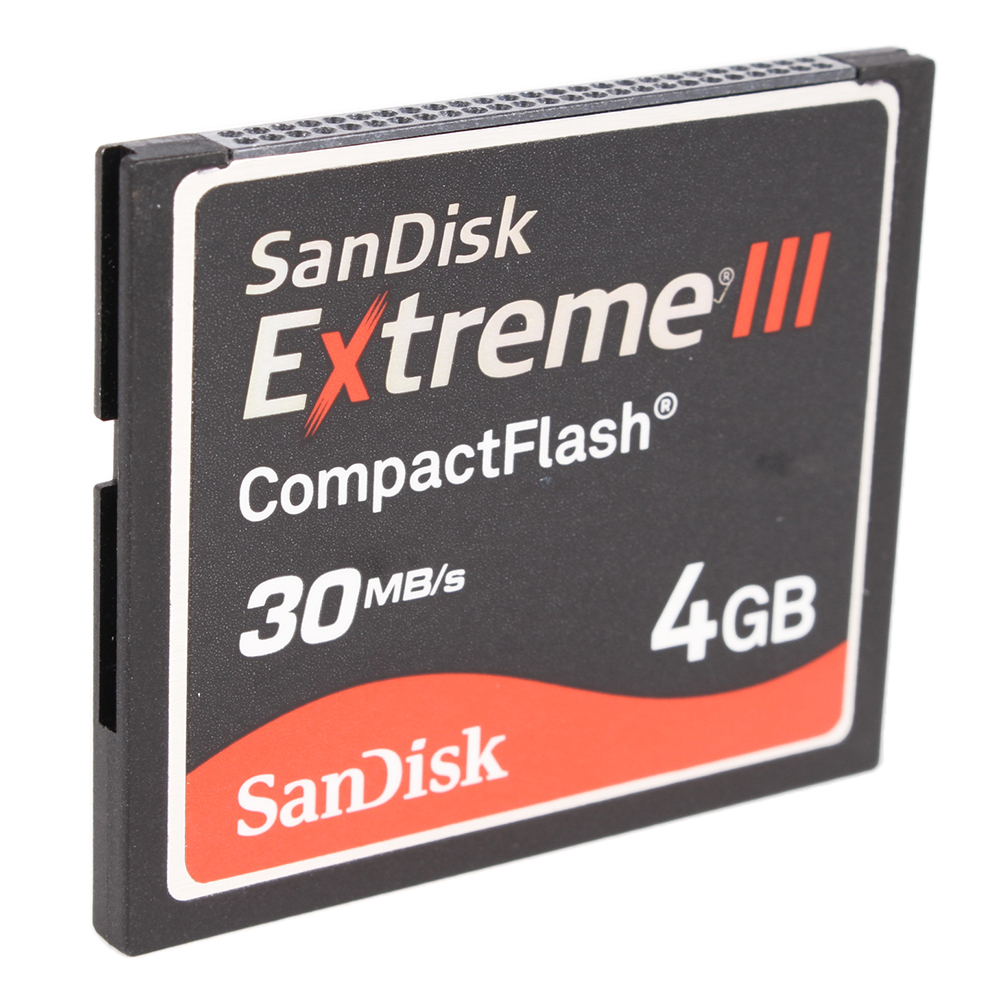

It’s also important to consider the type of camera you have when choosing a memory card. Some cameras are compatible with specific types of memory cards, such as SD, microSD, or CF cards. Make sure to check your camera’s specifications to see which type of memory card is recommended for optimal performance.
Choosing the Right Memory Card for Your Digital Camera
When it comes to selecting a memory card for your digital camera, there are several factors to consider to ensure you get the best performance and compatibility. Here are some tips to help you choose the right memory card:
- Capacity: Determine how much storage space you need based on the file sizes of your photos and videos. Memory cards come in various capacities ranging from 2GB to 512GB or more.
- Speed Class: Look for a memory card with a high speed class rating, such as Class 10, UHS-I, or UHS-II, to ensure fast read and write speeds for smooth capturing and transferring of data.
- Compatibility: Check your camera’s specifications to see which type of memory card it supports, such as SD, SDHC, SDXC, or microSD. Make sure the card you choose is compatible with your device.
- Brand: Stick to reputable brands like SanDisk, Samsung, Lexar, or Sony to ensure reliability and performance. Avoid cheap, generic memory cards that may cause compatibility issues or data loss.
- Usage: Consider how you will use the memory card – for everyday photography, high-definition video recording, or professional work. Choose a card that meets your specific needs and shooting requirements.
By keeping these factors in mind, you can select the right memory card that suits your digital camera and enhances your photography experience.
Understanding Memory Card Types
When it comes to choosing a memory card for your digital camera, it’s important to understand the different types available on the market. The most common types of memory cards used in digital cameras are SD (Secure Digital), SDHC (Secure Digital High Capacity), SDXC (Secure Digital eXtended Capacity), and CompactFlash. Each type has its own advantages and limitations.
SD cards are the most widely used and come in standard capacities up to 2GB. SDHC cards have higher capacities, ranging from 4GB to 32GB. SDXC cards offer even larger capacities, starting from 64GB up to 2TB. CompactFlash cards are larger in size and typically used in professional cameras, offering high-speed performance and capacities up to 512GB.

When selecting a memory card for your digital camera, consider the storage capacity you need, the speed requirements for your camera, and the compatibility with your device. It’s recommended to choose a memory card with a capacity that suits your photography needs and a speed that allows for smooth shooting and transferring of files.
| Memory Card Type | Capacity Range | Typical Use |
|---|---|---|
| SD | Up to 2GB | Standard photography |
| SDHC | 4GB to 32GB | High-capacity photography |
| SDXC | 64GB to 2TB | Extended-capacity photography |
| CompactFlash | Up to 512GB | Professional photography |
Compatibility with Your Camera
When choosing a memory card for your digital camera, it is crucial to consider its compatibility with your specific camera model. Not all memory cards are compatible with all cameras, so it is essential to check your camera’s specifications to determine the type and size of memory card it supports.
Types of Memory Cards
Common types of memory cards include SD, SDHC, SDXC, and CompactFlash. Make sure to choose a memory card that is supported by your camera to ensure seamless operation and prevent any compatibility issues.
Size and Speed
In addition to the type of memory card, you should also consider the size and speed of the card. Depending on your camera’s resolution and the type of photography you do, you may need a larger capacity memory card. Similarly, if you shoot high-quality video or fast-action sequences, opt for a memory card with higher read and write speeds to prevent lag or buffering.
Storage Capacity Considerations
When choosing a memory card for your digital camera, it’s important to consider the storage capacity that you need. The size of the memory card you need depends on several factors, including the resolution of your camera, the file format you use, and how many photos or videos you plan to take.
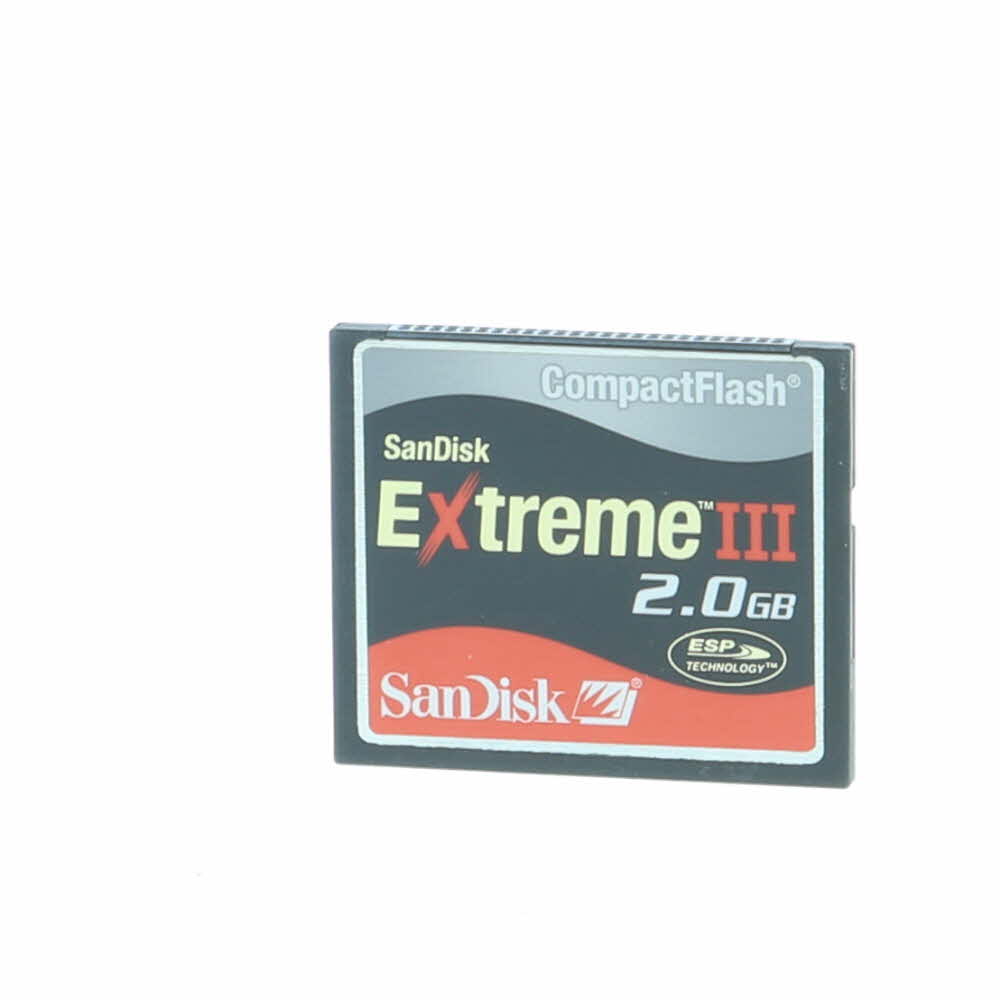
If you have a high-resolution camera and shoot in RAW format, you will need a larger memory card to store your files. On the other hand, if you have a lower-resolution camera and shoot in JPEG format, you may be able to get away with a smaller memory card.
Consider how many photos or videos you typically take in one session and how often you have access to a computer or other device to offload your files. If you frequently take a large number of photos or videos before transferring them to another device, you will need a larger memory card to accommodate your shooting habits.
It’s always a good idea to have a memory card with more capacity than you think you’ll need, just to be safe. Running out of storage space in the middle of a photo shoot can be frustrating, so it’s better to have extra capacity available than to risk missing out on capturing important moments.
Speed Class Ratings Explained
When choosing a memory card for your digital camera, it’s important to understand the speed class ratings. Speed class ratings indicate the minimum sustained write speed of the card, which is crucial for capturing high-quality photos and videos without any lag or buffering.
There are different speed class ratings to consider:
- Class 2: Minimum write speed of 2 MB/s
- Class 4: Minimum write speed of 4 MB/s
- Class 6: Minimum write speed of 6 MB/s
- Class 10: Minimum write speed of 10 MB/s
For shooting HD videos or capturing fast-action shots, it’s recommended to use a memory card with a higher speed class rating like Class 10. This ensures smoother recording and faster data transfer.
Benefits of High-Speed Memory Cards
1. Faster Data Transfer: High-speed memory cards allow for faster data transfer rates, enabling you to quickly save and access your photos and videos.
2. Improved Performance: With a high-speed memory card, your digital camera can write data more quickly, reducing lag time between shots and improving overall performance.
3. Seamless HD Video Recording: High-speed memory cards are essential for recording high-definition videos without interruptions or dropped frames.
4. Enhanced Burst Mode Shooting: High-speed memory cards can keep up with rapid burst mode shooting, allowing you to capture multiple images in quick succession without delays.

5. Reliable Storage: High-speed memory cards are more reliable and durable, ensuring that your valuable data is stored securely without the risk of corruption or data loss.
Video Recording Requirements
When choosing a memory card for your digital camera, it’s essential to consider the video recording requirements of your camera. Different cameras have different video recording capabilities, which will affect the size and speed of the memory card you need.
For cameras that record high-definition video or 4K video, you will need a memory card with a large capacity and fast write speeds to ensure smooth recording without any lag or dropped frames. Look for memory cards with at least Class 10 or UHS Speed Class 1 (U1) ratings to meet the demands of high-quality video recording.
On the other hand, if your camera only records standard-definition video or lower resolution footage, you may be able to get away with a smaller capacity memory card with lower write speeds. However, it’s always a good idea to invest in a memory card with a bit of extra capacity to accommodate unexpected longer recording sessions or multiple videos.
Reliability and Durability Factors
When choosing a memory card for your digital camera, it is important to consider reliability and durability factors. A memory card that is reliable and durable will ensure that your photos and videos are safely stored and easily accessible. Here are some factors to consider:
Brand Reputation
Choosing a memory card from a reputable brand can ensure higher quality and reliability. Well-known brands often have better quality control measures in place, resulting in more reliable memory cards.
Speed Class
The speed class of a memory card indicates how quickly data can be read and written to the card. Choosing a memory card with a higher speed class can improve the performance of your camera and reduce the risk of data loss.
Price vs. Performance Comparison
When choosing a memory card for your digital camera, it’s important to consider the balance between price and performance. Here are some key factors to keep in mind:
Price
- Lower-capacity memory cards are generally more affordable than higher-capacity ones.
- Consider your budget and how much storage space you actually need for your photography needs.
- Look for deals and discounts when purchasing memory cards to get the best value for your money.
Performance
- Faster memory cards with higher read and write speeds are ideal for capturing high-resolution photos and recording videos.
- Class ratings (such as Class 10, UHS-I, UHS-II) indicate the speed capabilities of the memory card.
- Choose a memory card with a speed rating that is compatible with your camera to ensure optimal performance.
Ultimately, the best memory card for your digital camera will strike a balance between price and performance, meeting your storage needs without breaking the bank.
Popular Memory Card Brands
When it comes to choosing a memory card for your digital camera, there are several popular brands to consider. Some of the top brands in the market include:
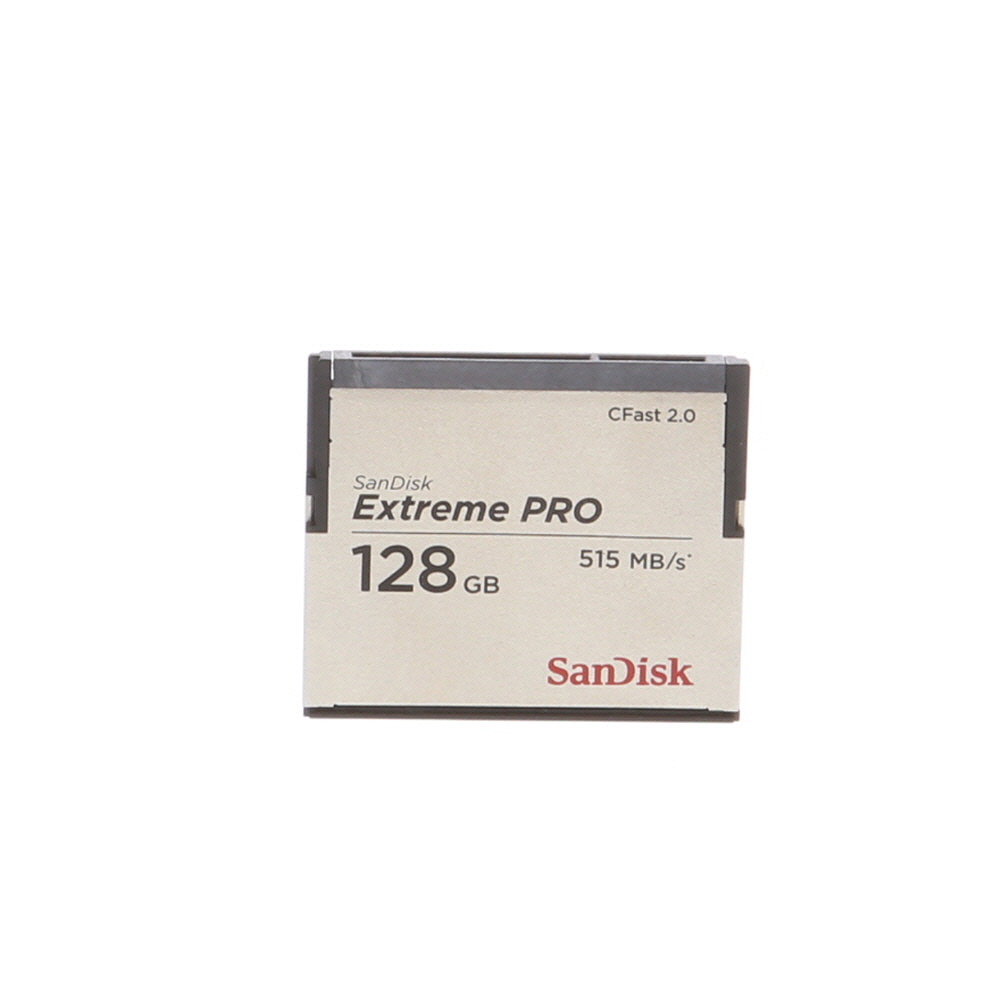
1. SanDisk: SanDisk is known for its high-quality memory cards that offer fast read and write speeds, making them ideal for storing large files such as high-resolution photos and videos.
2. Samsung: Samsung memory cards are known for their reliability and durability, making them a popular choice among photographers and videographers.
3. Lexar: Lexar memory cards are well-known for their performance and compatibility with a wide range of devices, making them a versatile option for photographers.
4. Sony: Sony memory cards are designed to work seamlessly with Sony cameras and other devices, offering reliable performance and fast data transfer speeds.
5. Kingston: Kingston memory cards are known for their affordability and reliability, making them a popular choice for amateur photographers and casual users.

When choosing a memory card brand, it’s important to consider factors such as storage capacity, read and write speeds, and compatibility with your camera to ensure optimal performance and reliability.
Tips for Proper Memory Card Handling
Proper memory card handling is crucial to ensure the longevity and reliability of your digital camera’s storage. Here are some tips to help you take care of your memory card:
1. Avoid Removing the Card Abruptly
When removing the memory card from your camera or card reader, make sure to do so gently and avoid pulling it out abruptly. This can prevent damage to the card and the camera’s slot.
2. Keep the Card in a Protective Case
When not in use, store your memory card in a protective case to shield it from dust, moisture, and physical damage. This can help prolong the lifespan of the card and keep your data safe.
Remember: Proper handling of your memory card is essential for maintaining the integrity of your digital photos and videos. By following these tips, you can ensure that your memory card remains in top condition for a long time.
FAQ
What size memory card should I get for my digital camera?
The size of the memory card you need for your digital camera depends on how many photos or videos you plan to take and the resolution of the files. Generally, a 32GB or 64GB memory card is sufficient for casual photography, while professional photographers might opt for larger capacity cards like 128GB or 256GB to accommodate a higher volume of high-resolution images.
Is it better to get one large memory card or multiple smaller ones for my digital camera?
It ultimately depends on your personal preference and shooting style. Some photographers prefer to have multiple smaller memory cards to organize their photos or videos by category or location. However, having one large memory card can be convenient if you don’t want to worry about switching cards frequently. Just make sure to back up your files regularly to avoid losing important data.


Good article! I'm wondering if I should go for a 128GB or 256GB card for my new DSLR. I mostly shoot in JPEG but occasionally in RAW. What do you think would be enough?
It really depends on your shooting frequency. If you often shoot in RAW, a 256GB card may be safer to avoid running out of space during shoots. For JPEGs, 128GB could suffice, but having extra capacity is always useful.
I disagree about the necessity of going for the biggest card. I think a smaller card is easier to manage, and I prefer to change cards regularly to keep my photos organized. Plus, it helps in case of a card failure.
Make sure to check if your camera supports UHS-I or UHS-II cards for faster performance!
Can you clarify the difference between SDHC and SDXC cards? I keep hearing about them, but I'm not sure how they differ in practical use.
SDHC cards range from 4GB to 32GB and are great for standard use, while SDXC cards go from 64GB to 2TB, which is better for high-capacity needs like 4K video recording. Make sure your camera supports the card type you choose.