
 Carmen J. Moore

Memory cards are an essential component of any digital camera, storing all the precious photos and videos you capture. However, with so many options on the market, it can be overwhelming to choose the right one for your camera. The type of memory card you select can significantly impact the performance and storage capacity of your device, so it’s important to make an informed decision.


In this article, we’ll discuss the key factors to consider when choosing a memory card for your digital camera and highlight some of the best options available.
The Best Memory Cards for Cameras
Choosing the right memory card for your camera is crucial to ensure smooth and reliable performance. Here are some of the best memory cards available:
- SanDisk Extreme Pro SDXC UHS-I Card: Known for its fast read and write speeds, this card is ideal for capturing high-quality images and videos.
- Sony SF-G Tough Series UHS-II Card: With its durability and fast data transfer speeds, this card is perfect for professional photographers.
- Lexar Professional 2000x UHS-II SD Card: Offering high-speed performance and ample storage capacity, this card is great for shooting in RAW format.
- Samsung EVO Plus microSDXC Card: An affordable option with good read and write speeds, this card is suitable for casual photographers.
When choosing a memory card, consider factors such as capacity, speed, and compatibility with your camera to ensure optimal performance.
Choosing the Right Memory Card
When it comes to choosing the right memory card for your digital camera, there are a few key factors to consider. Here are some tips to help you make the best choice:
1. Capacity
One of the most important things to consider is the capacity of the memory card. Make sure to choose a card with enough storage space to accommodate the number of photos and videos you plan to take. Generally, it’s a good idea to opt for a higher capacity card to ensure you don’t run out of space.

2. Speed
The speed of the memory card is another crucial factor to consider, especially if you shoot a lot of high-resolution photos or 4K videos. Look for a card with a fast write speed to ensure smooth and quick data transfer. This will help prevent any lag or delays when capturing images or recording videos.
- Class 10 or UHS (Ultra High Speed) cards are recommended for optimal performance.
- Consider the read and write speeds specified on the card to determine its performance capabilities.
By considering the capacity and speed of the memory card, you can ensure that you have a reliable and efficient storage solution for your digital camera.
Memory Card Capacity and Speed
When choosing a memory card for your digital camera, it is important to consider both the capacity and speed of the card. The capacity of a memory card refers to how much data it can store, typically measured in gigabytes (GB) or terabytes (TB). The larger the capacity, the more photos and videos you can store on the card.
Additionally, the speed of a memory card determines how quickly data can be read from or written to the card. This is crucial for tasks such as capturing high-resolution photos or recording HD videos, as a faster card will allow for smoother performance and quicker transfer speeds.
Capacity
For casual photographers who take a moderate number of photos, a memory card with a capacity of 32GB or 64GB may be sufficient. However, if you frequently shoot in RAW format or record videos in high resolution, you may want to opt for a larger capacity card, such as 128GB or 256GB.
Speed
When it comes to speed, look for memory cards with a higher read and write speed, measured in megabytes per second (MB/s). Cards with faster speeds are ideal for continuous shooting or recording high-definition videos without experiencing lag or delays. Consider getting a UHS-I or UHS-II card for optimal performance.
Types of Memory Cards
There are several types of memory cards available for digital cameras, each with its own advantages and limitations. The most common types include:
1. SD (Secure Digital) Cards: These are the most widely used memory cards and come in various sizes, such as SD, SDHC, and SDXC. They are popular for their reliability and compatibility with most devices.
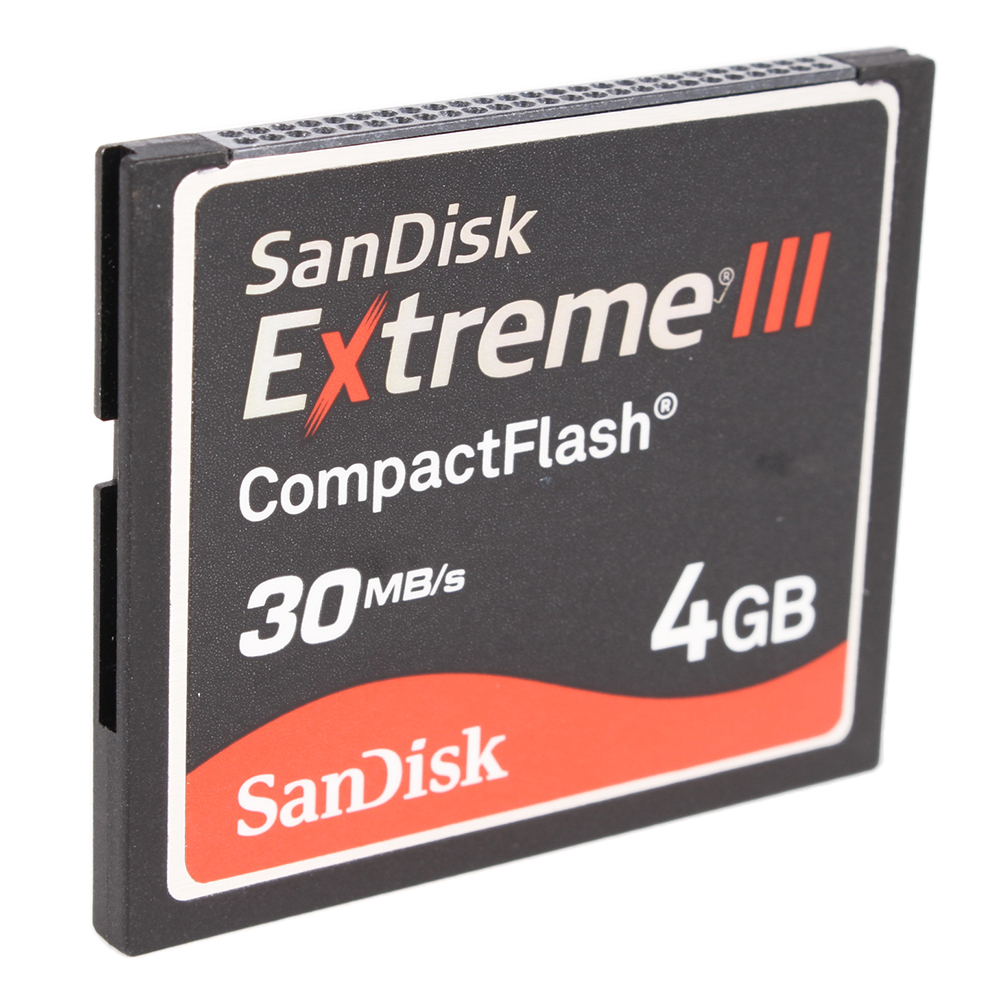
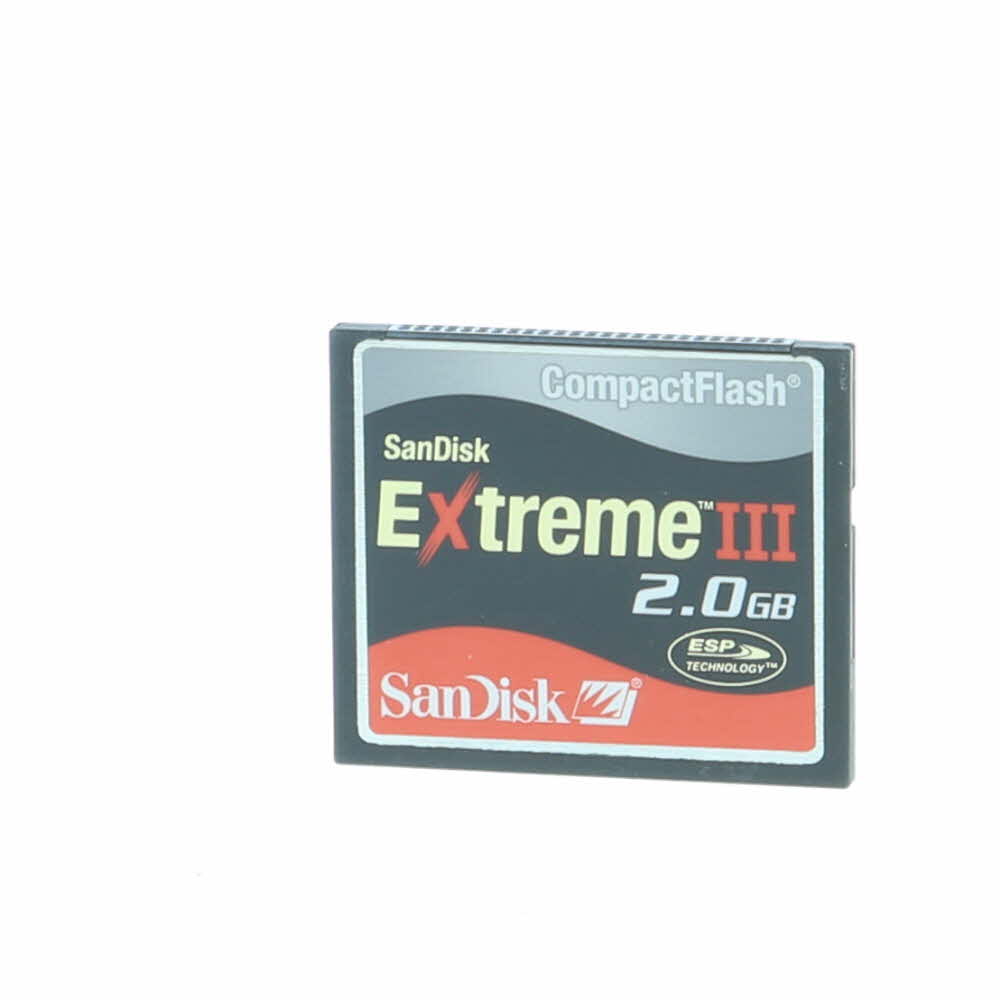
2. Compact Flash Cards: These cards are larger in size and are often used in professional cameras for their high storage capacities and fast read/write speeds.
3. Micro SD Cards: These cards are smaller than SD cards and are commonly used in smartphones, action cameras, and other portable devices.
4. CFast Cards: These cards are designed for high-end cameras and offer faster write speeds compared to Compact Flash cards.
5. XQD Cards: These cards are relatively new and are used in select high-performance cameras for their fast read/write speeds and durability.
When choosing a memory card for your digital camera, make sure to consider the compatibility, storage capacity, and speed requirements based on your photography needs.
Top Brands in the Market
When it comes to memory cards for digital cameras, there are several top brands in the market that are known for their reliability and performance. Some of the most popular brands include:
SanDisk
SanDisk is a well-known brand that offers a wide range of memory cards for digital cameras. They are known for their high-quality products and excellent performance. SanDisk memory cards are often recommended by professional photographers for their reliability and speed.

Lexar
Lexar is another top brand that produces high-performance memory cards for digital cameras. They offer a variety of options, including SD cards, microSD cards, and CompactFlash cards. Lexar memory cards are known for their fast read and write speeds, making them ideal for capturing high-quality photos and videos.
SD vs. MicroSD Cards
When it comes to choosing a memory card for your digital camera, you may be faced with the decision between SD and MicroSD cards. SD cards are larger in size and are typically used in cameras, while MicroSD cards are smaller and are commonly used in smartphones, tablets, and action cameras.
SD cards offer larger storage capacities and faster data transfer speeds compared to MicroSD cards. This makes them ideal for professional photographers or anyone who needs to store a large amount of high-resolution images or videos. On the other hand, MicroSD cards are more compact and portable, making them convenient for everyday use in smaller devices.
Ultimately, the choice between SD and MicroSD cards depends on your specific needs and the device you plan to use it with. If you have a digital camera, a standard SD card may be the best option for you. However, if you are looking for a memory card for your smartphone or tablet, a MicroSD card may be more suitable.
Compatibility with Your Camera
When choosing a memory card for your digital camera, it is crucial to consider its compatibility with your specific camera model. Not all memory cards are compatible with every camera, so it is essential to check your camera’s manual or manufacturer’s website to determine which types of memory cards are supported.
Common memory card formats include SD, SDHC, SDXC, and CompactFlash. Some cameras may also support microSD cards with an adapter. Make sure to choose a memory card that is compatible with your camera’s interface and supports the required storage capacity for your needs.
Protecting Your Data
When choosing a memory card for your digital camera, it’s important to consider not only the storage capacity but also the reliability and durability of the card. To protect your valuable data, opt for a memory card from a reputable brand that offers features like built-in error correction and data recovery options.
Additionally, to safeguard against data loss, it’s recommended to regularly back up your photos and videos to an external storage device or cloud storage service. This way, even if something happens to your memory card, you won’t lose precious memories captured with your camera.
Remember to handle your memory card with care, avoiding exposure to extreme temperatures, moisture, and physical damage. By taking these precautions and investing in a high-quality memory card, you can ensure that your data remains safe and secure for years to come.
Where to Buy Memory Cards
There are several options available for purchasing memory cards for your digital camera. Here are some popular places to buy memory cards:
- Electronics stores: Many electronics stores, both online and brick-and-mortar, carry a wide selection of memory cards for digital cameras. Popular stores include Best Buy, B&H Photo, and Adorama.
- Online retailers: Websites like Amazon, Newegg, and B&H Photo offer a vast array of memory cards at competitive prices. You can easily compare different brands and storage capacities online.
- Camera stores: Specialty camera stores often carry high-quality memory cards specifically designed for digital cameras. These stores may offer expert advice on which memory card is best suited for your camera model.
- Big-box stores: Retailers like Walmart, Target, and Costco also carry memory cards in their electronics sections. While their selection may be more limited, you can find budget-friendly options at these stores.
When purchasing a memory card, make sure to buy from a reputable seller to ensure you are getting a genuine product that is compatible with your camera. Reading customer reviews and checking the return policy can also help you make an informed decision.
FAQ
What are the most important factors to consider when choosing a memory card for a digital camera?
When choosing a memory card for your digital camera, you should consider the storage capacity, speed class, and compatibility with your camera. The storage capacity determines how many photos and videos you can store on the card, while the speed class dictates how quickly data can be read and written to the card. It’s also important to ensure that the memory card is compatible with your camera to avoid any compatibility issues.
Can I use any memory card in my digital camera, or do I need to buy a specific type?
It’s important to check your digital camera’s specifications to determine which type of memory card is compatible. While many cameras support various types of memory cards such as SD, SDHC, and SDXC, some cameras may require a specific type or have limitations on the maximum capacity they can support. Using the wrong type of memory card can lead to errors or data loss, so it’s best to consult your camera’s manual or manufacturer’s website for guidance.
What is the best memory card for a professional photographer using a high-end digital camera?
For professional photographers using high-end digital cameras, it’s recommended to invest in a high-capacity, high-speed memory card to ensure optimal performance. Look for SD cards with UHS-II or UHS-III speed ratings for fast read and write speeds, which are essential for capturing high-resolution photos and 4K video. Brands like SanDisk, Lexar, and Sony offer reliable and high-performance memory cards that are popular among professional photographers.



What are the actual differences between UHS-I and UHS-II cards? Is it worth paying the extra for UHS-II?