
 Carmen J. Moore

When it comes to capturing moments and memories, the choice of camera can make a huge difference in the quality of your photos. One of the key factors to consider is the zoom capability of the camera, which can greatly impact the clarity and detail of your shots.
Digital zoom and optical zoom are two common features found in cameras that affect how close you can get to your subject without physically moving closer. While both types of zoom can help you capture distant subjects, they work in different ways and produce different results.
Understanding the differences between digital zoom and optical zoom can help you make an informed decision when choosing a camera that meets your photography needs. Let’s delve into the intricacies of these two zoom technologies and explore their pros and cons.
Understanding the Basics of Digital Zoom
Digital zoom is a feature found in many cameras that allows users to zoom in on a subject by cropping and enlarging the image captured by the camera’s sensor. Unlike optical zoom, which uses the lens to physically zoom in on a subject, digital zoom simply magnifies the existing image, resulting in a loss of image quality.

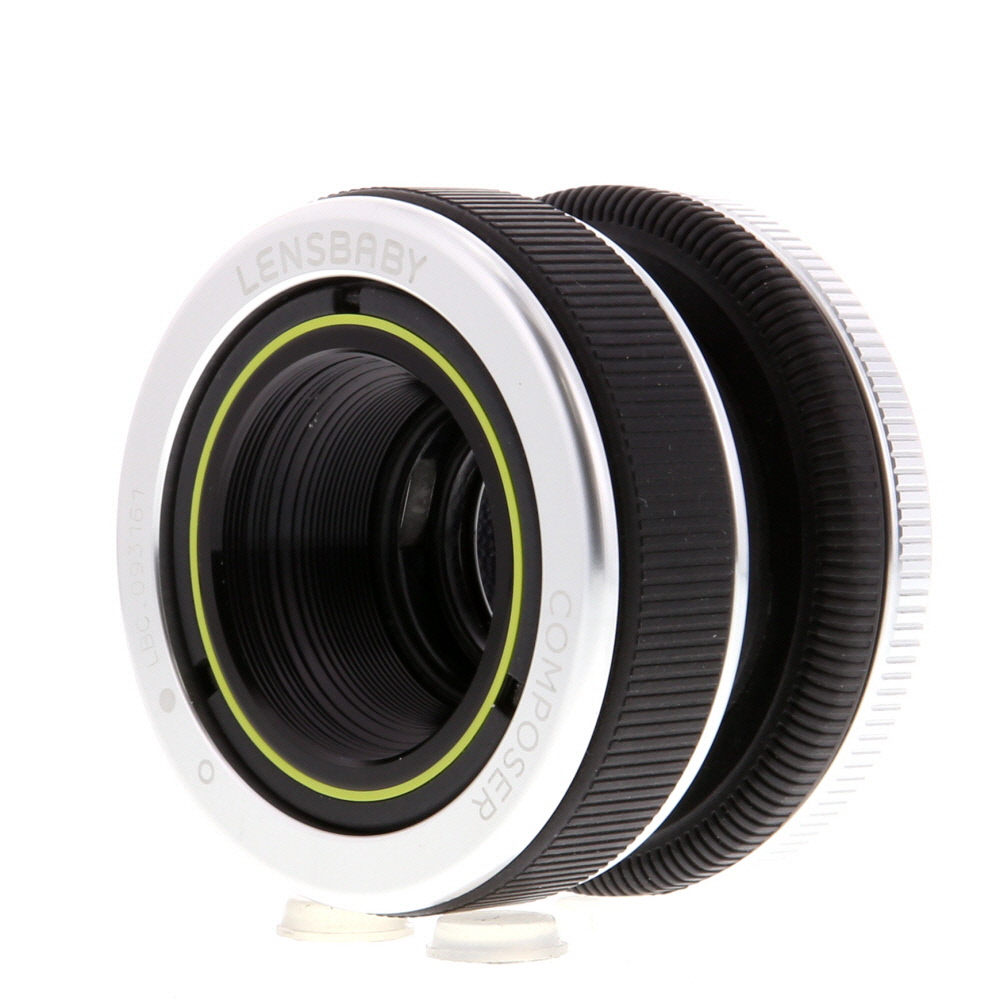
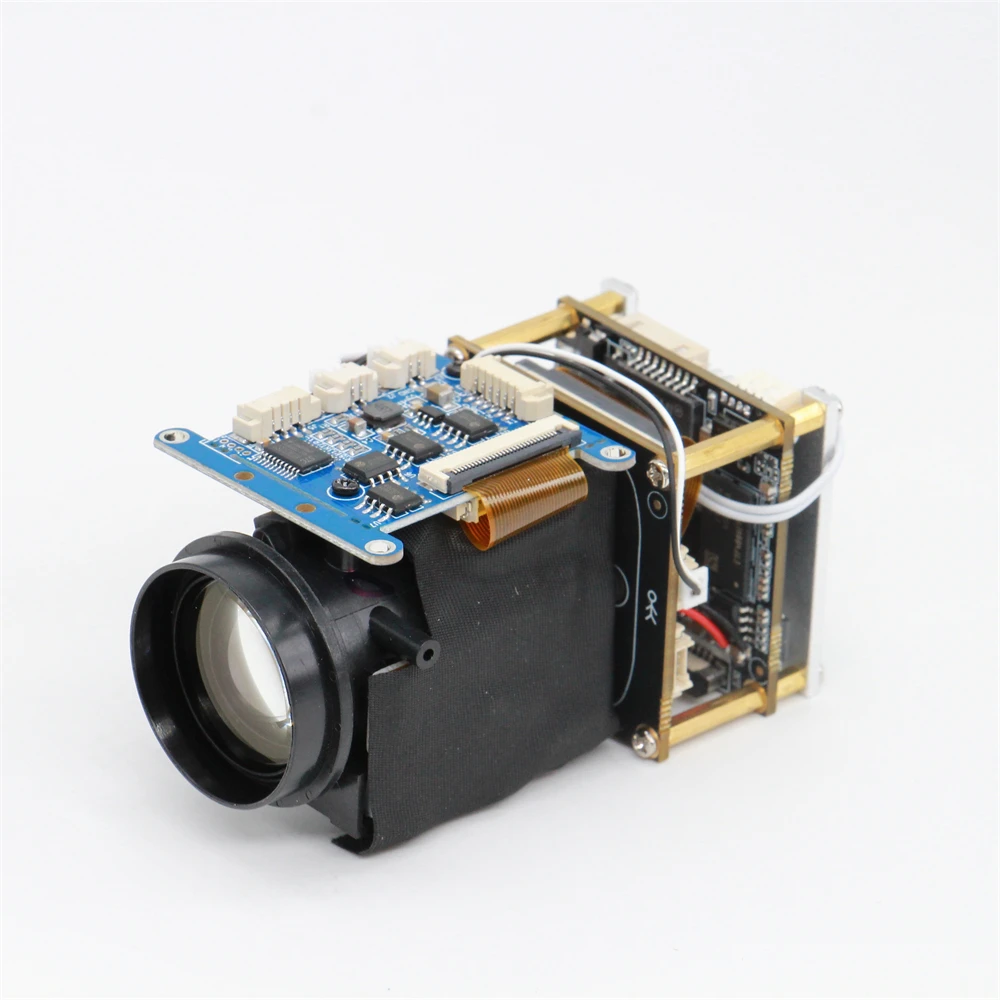

When using digital zoom, the camera digitally interpolates the image, which can lead to a decrease in sharpness and detail. This is because the camera is essentially guessing at the missing pixels that are created when the image is enlarged.
While digital zoom can be useful for getting closer to a subject when optical zoom is not available, it is important to note that the quality of the image will suffer as a result. For the best results, it is recommended to use optical zoom whenever possible and avoid relying on digital zoom unless absolutely necessary.
Definition and Functionality
Digital zoom and optical zoom are two different methods used in cameras to zoom in on a subject. Understanding the difference between the two can help you make informed decisions when choosing a camera.
- Digital Zoom: Digital zoom is a feature that allows you to magnify the image using software. When you zoom in digitally, the camera crops the image and enlarges the pixels, resulting in a loss of image quality. Digital zoom is useful for getting closer to a subject when optical zoom is not available, but it is important to note that the image may appear pixelated or blurry when using digital zoom.
- Optical Zoom: Optical zoom, on the other hand, uses the camera’s lens to magnify the image optically. This means that when you zoom in optically, the lens physically moves closer to the subject, allowing you to get a closer and clearer image without sacrificing quality. Optical zoom is preferred over digital zoom for capturing high-quality images with minimal distortion.
When choosing a camera, consider the zoom capabilities and decide whether optical zoom or digital zoom is more important for your photography needs. Opt for optical zoom if you prioritize image quality and clarity, while digital zoom can be a convenient option for casual photography or when optical zoom is not available.
Exploring the Benefits of Optical Zoom
Optical zoom is a feature found in many cameras that allows you to zoom in on a subject without sacrificing image quality. Unlike digital zoom, which simply enlarges a portion of the image, optical zoom uses the lens to physically zoom in on the subject, resulting in clearer and sharper images.
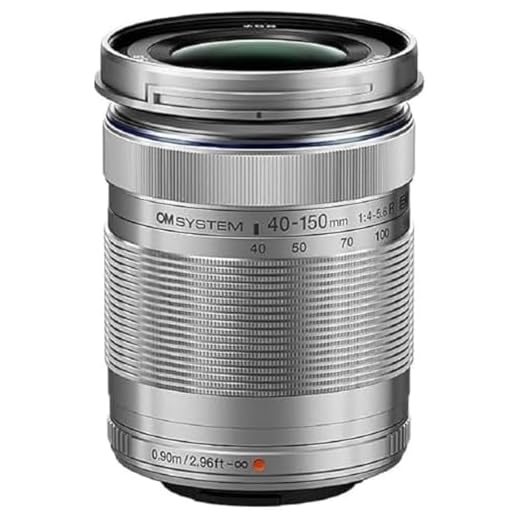
One of the key benefits of optical zoom is the ability to get closer to your subject without physically moving. This is especially useful in situations where you can’t get physically closer to the subject, such as wildlife photography or capturing events from a distance.
The Advantages of Optical Zoom:
- Improved Image Quality: Optical zoom preserves the quality of the image even when zoomed in, resulting in sharper and more detailed photos.
- Enhanced Versatility: With optical zoom, you can capture a wide range of subjects at different distances, making it a versatile feature for various types of photography.
- Greater Control: Optical zoom gives you more control over framing and composition, allowing you to focus on the details that matter most in your shot.
Enhanced Image Quality
Digital zoom relies on software to enlarge the image, resulting in a loss of image quality as the image is essentially cropped and enlarged. This can lead to pixelation and a decrease in sharpness. On the other hand, optical zoom physically adjusts the lens to magnify the image without sacrificing image quality, resulting in sharper and more detailed photos.
When comparing digital zoom and optical zoom, it is clear that optical zoom provides superior image quality by preserving the clarity and detail of the image. The optical zoom capability of a camera is a key factor in capturing high-quality, professional-looking photos.
Differences Between Digital and Optical Zoom
When it comes to zoom capabilities in cameras, there are two main types: digital zoom and optical zoom. Understanding the differences between the two can help you make informed decisions when choosing a camera.
Optical Zoom
Optical zoom uses the camera’s lens to magnify the image, allowing you to get closer to the subject without sacrificing image quality. This type of zoom is achieved by physically moving the lens elements to change the focal length. Optical zoom provides true magnification of the image, resulting in clear and sharp pictures even when zoomed in.
Digital Zoom
Digital zoom, on the other hand, is a software-based zoom feature that enlarges the pixels in the image to create the illusion of zooming in. While digital zoom can make an image appear closer, it does so at the expense of image quality. As the image is digitally enlarged, the pixels become more visible, leading to a loss of detail and clarity.
- Optical zoom is preferred for capturing high-quality images with true magnification.
- Digital zoom is useful for getting closer to a subject when optical zoom is not enough, but it may result in lower image quality.
- For the best results, it is recommended to use optical zoom whenever possible and avoid relying solely on digital zoom.
Performance Comparison
When comparing digital zoom and optical zoom on cameras, performance is a crucial factor to consider. Optical zoom provides superior image quality compared to digital zoom. This is because optical zoom uses the actual lens to zoom in on the subject, resulting in clear and sharp images without any loss of quality.
On the other hand, digital zoom enlarges the image by cropping and enlarging the existing pixels, which can lead to a decrease in image quality and resolution. This means that images taken with digital zoom may appear pixelated or blurry, especially when zoomed in to the maximum extent.
In terms of performance, optical zoom is preferred for capturing high-quality images with clarity and detail, while digital zoom is more suitable for situations where a quick zoom is needed but image quality is less of a concern.
Factors to Consider When Choosing Zoom Features
When selecting a camera with zoom capabilities, it’s important to consider the following factors:
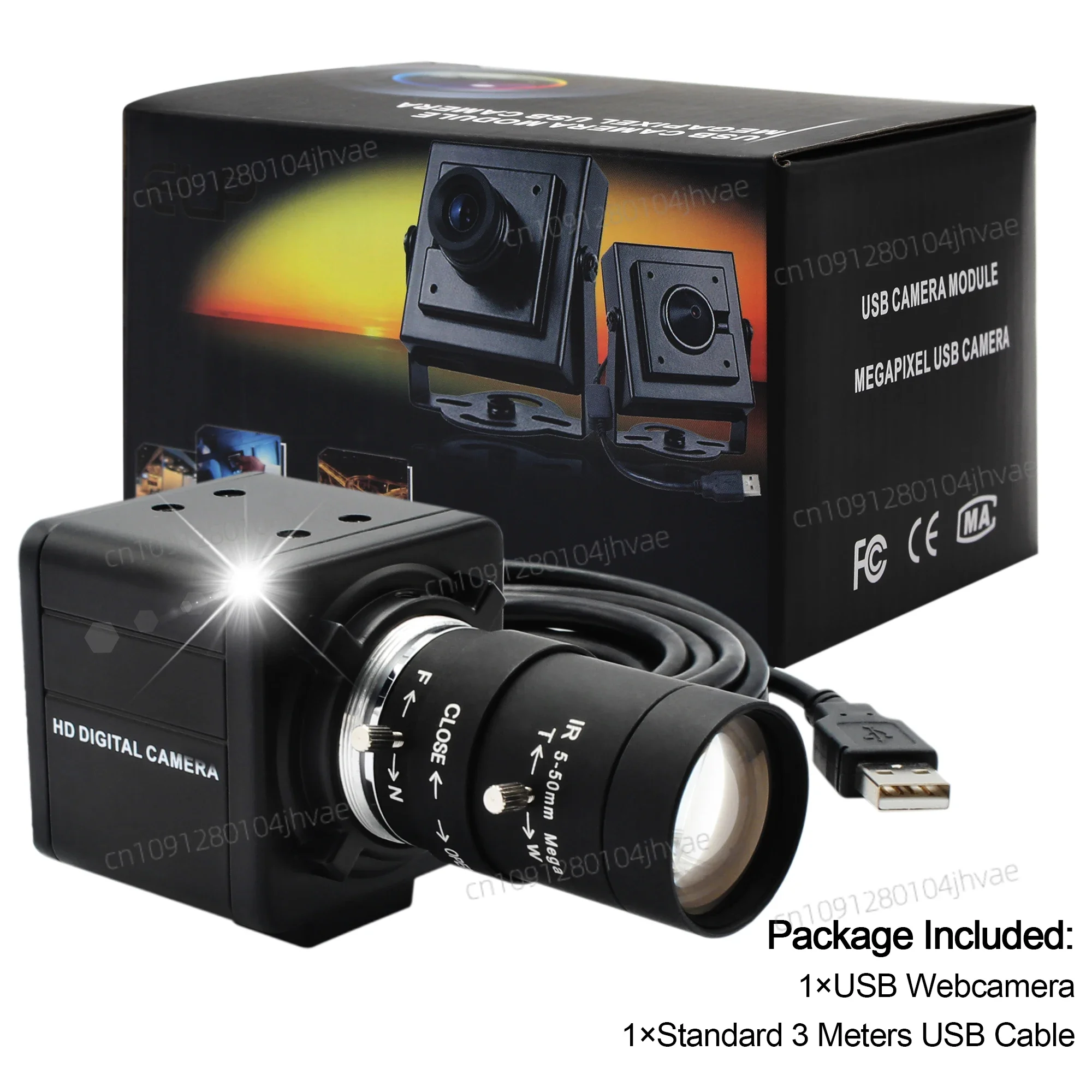
- Optical Zoom vs. Digital Zoom: Optical zoom provides better image quality as it magnifies the image using the camera’s lens. Digital zoom, on the other hand, enlarges the image digitally, resulting in a loss of image quality.
- Zoom Range: Consider the range of zoom offered by the camera. A higher zoom range allows you to capture objects that are further away.
- Image Stabilization: Look for cameras with image stabilization features to reduce blur caused by camera shake, especially when using zoom.
- Aperture: A wider aperture allows more light to enter the camera, which can help in low-light conditions and when zooming in on distant objects.
- Size and Weight: Consider the size and weight of the camera, especially if you plan to carry it around for extended periods. Some cameras with powerful zoom lenses can be heavy and bulky.
- Price: Set a budget for your camera purchase and consider the cost of cameras with different zoom features.
Zoom Range and Image Clarity
When comparing digital zoom and optical zoom on cameras, it’s important to consider the zoom range and image clarity offered by each type of zoom.
Optical Zoom:
- Optical zoom provides true magnification by adjusting the lens’s focal length, offering a range of zoom levels without sacrificing image quality.
- Higher optical zoom ranges allow you to get closer to your subject without compromising image clarity.
- Optical zoom produces sharper and more detailed images compared to digital zoom.
Digital Zoom:
- Digital zoom enlarges the image by cropping and enlarging a portion of the frame, resulting in a loss of image quality.
- Higher digital zoom levels may lead to pixelation and reduced sharpness in the final image.
- Image clarity diminishes as digital zoom levels increase, especially in low-light conditions.
Overall, optical zoom provides superior image quality and clarity compared to digital zoom, making it the preferred choice for capturing detailed and crisp photos.
Impact of Zoom on Photography Composition
Zoom capability in cameras plays a crucial role in photography composition. Both digital zoom and optical zoom have their own impact on the final image.
- Digital Zoom: Digital zoom enlarges the image by cropping and enlarging the pixels. While it allows you to get closer to the subject, it often results in loss of image quality and detail. When using digital zoom, it’s important to consider the potential loss of quality and adjust your composition accordingly.
- Optical Zoom: Optical zoom uses the lens to magnify the image without sacrificing quality. It allows you to get closer to the subject while maintaining sharpness and detail. When using optical zoom, you have more control over the composition and can frame your shot more precisely.
Understanding the impact of zoom on composition is essential for achieving the desired results in photography. Whether you prefer digital zoom for convenience or optical zoom for quality, knowing how each type of zoom affects your composition will help you capture better images.
Composition Techniques with Zoom
When using zoom in photography, it’s important to consider composition techniques to enhance your images. Here are some tips:

| Fill the Frame: Use zoom to fill the frame with your subject, eliminating distractions and creating a more powerful image. |
| Leading Lines: Use zoom to emphasize leading lines in your composition, guiding the viewer’s eye through the image. |
| Depth of Field: Experiment with zoom to control depth of field and create a sense of depth in your photos. |
| Perspective: Zoom can help you change the perspective of your shot, allowing you to capture the same scene in different ways. |
| Foreground Interest: Use zoom to highlight foreground elements and add interest to your composition. |
By using these composition techniques with zoom, you can take your photography to the next level and create more dynamic and engaging images.
Examples of Digital Zoom vs. Optical Zoom in Action
Let’s take a closer look at how digital zoom and optical zoom work in real-life scenarios:
- Digital Zoom: When using digital zoom, you may notice a significant loss of image quality as you zoom in further. The image may appear pixelated or blurry due to the software interpolation used to enlarge the image digitally.
- Optical Zoom: With optical zoom, the lens physically moves to zoom in on the subject, resulting in a clear and sharp image. You can capture distant objects without sacrificing image quality.
- Example 1: Using digital zoom on a smartphone to zoom in on a distant object will result in a loss of detail and clarity in the final image.
- Example 2: Using optical zoom on a DSLR camera to zoom in on wildlife allows you to capture detailed shots without compromising image quality.
FAQ
What is the difference between digital zoom and optical zoom on cameras?
Digital zoom is a technique that enlarges the center portion of an image by cropping and enlarging pixels, which can result in loss of image quality. Optical zoom, on the other hand, uses the camera’s lens to physically magnify the image without sacrificing image quality.
How does digital zoom affect the quality of the image?
Digital zoom can reduce the quality of the image because it essentially crops and enlarges the pixels, leading to a loss of detail and sharpness. It is not recommended to rely on digital zoom if you want high-quality images.
Why is optical zoom considered better than digital zoom?
Optical zoom is considered better than digital zoom because it magnifies the image using the camera’s lens without sacrificing image quality. Digital zoom, on the other hand, can degrade the quality of the image as it relies on cropping and enlarging pixels.
Can you explain how optical zoom works in cameras?
Optical zoom works by physically moving the lens elements to magnify the image, allowing you to get closer to the subject without losing image quality. This is achieved through the lens’s ability to adjust its focal length.
What should I consider when choosing between a camera with digital zoom and one with optical zoom?
When choosing between a camera with digital zoom and one with optical zoom, consider the quality of the images you want to capture. If image quality is a priority, opt for a camera with optical zoom. Digital zoom can be useful for getting closer to a subject, but it may compromise image quality.


I’ve used both digital and optical zoom during my wildlife photography trips. The optical zoom on my DSLR makes a huge difference in clarity when capturing distant animals. In contrast, I find digital zoom mostly useful for quick shots where I’m not too concerned about quality, like snapping a photo of a friend from afar. Just my experience!
I've been using a camera with optical zoom for wildlife photography, and it really makes a difference. The clarity is so much better compared to digital zoom. I tried using the digital feature once and the images were just blurry. I always recommend going for optical whenever possible.
I've used both types of zoom on my camera, and I find that optical zoom is way better for nature photography. When I rely on digital zoom, the images often come out pixelated, especially when I try to crop them later. Optical zoom really captures the details I want in my shots.
I disagree that digital zoom is always inferior. Sometimes, for casual snapshots, it's perfectly fine. You don't always need the highest quality for social media shots.
That's true, but I still think optical zoom gives you more options if you ever want to print your photos or use them for something more than just online sharing.
I disagree that digital zoom can ever be useful. It just degrades the image quality. I always recommend sticking to optical zoom, even if it’s a bit inconvenient to move closer to the subject.
I read somewhere that some cameras combine both digital and optical zoom. How does that work? Is it worth it?
Great point! Some cameras offer a combination of digital and optical zoom, using optical zoom to get the best quality and then using digital zoom to extend the range. However, keep in mind that the quality may still suffer when heavily relying on digital zoom.
Are there cameras that only have digital zoom? I feel like that wouldn't be a good choice.
There are indeed cameras that primarily use digital zoom, often in smartphones or entry-level point-and-shoots. However, they might not be the best option for quality-focused photography.
I understand the basics of digital and optical zoom, but can someone explain why digital zoom can still be useful in certain situations?
Just a tip, always check the zoom range before buying a camera. Some models offer surprising optical abilities!
I recently upgraded to a camera with optical zoom, and I can say it's a game changer! I used to rely on digital zoom, and while it was convenient, the quality just wasn’t there. Now, I can shoot wildlife from a distance and get clear photos without losing detail. I would recommend anyone serious about photography to invest in optical zoom.