
 Carmen J. Moore

EVF (Electronic Viewfinder) digital cameras have revolutionized the way we capture and view images. Unlike traditional optical viewfinders, EVF cameras use electronic displays to show a real-time preview of the scene being photographed. This technology offers numerous advantages, such as accurate exposure preview, focus peaking, and the ability to overlay helpful information like histograms and gridlines directly in the viewfinder.
One of the key benefits of EVF cameras is their versatility. They allow photographers to see exactly what the final image will look like before pressing the shutter button, enabling precise composition and exposure adjustments. Additionally, EVFs can simulate different film types, color profiles, and even show the effects of exposure settings in real-time, making them invaluable tools for both amateur and professional photographers.
EVF digital cameras continue to evolve, with newer models offering higher resolutions, faster refresh rates, and enhanced color accuracy. As technology advances, EVFs are becoming increasingly popular among photographers who value the convenience and flexibility they provide. Whether you’re a seasoned pro or a casual shooter, an EVF camera can take your photography to the next level.
Understanding EVF Technology
Electronic Viewfinder (EVF) technology is a key feature in modern digital cameras that offers photographers a live preview of the image sensor’s output. Unlike traditional optical viewfinders, EVFs use a small electronic display to show the scene in real-time.

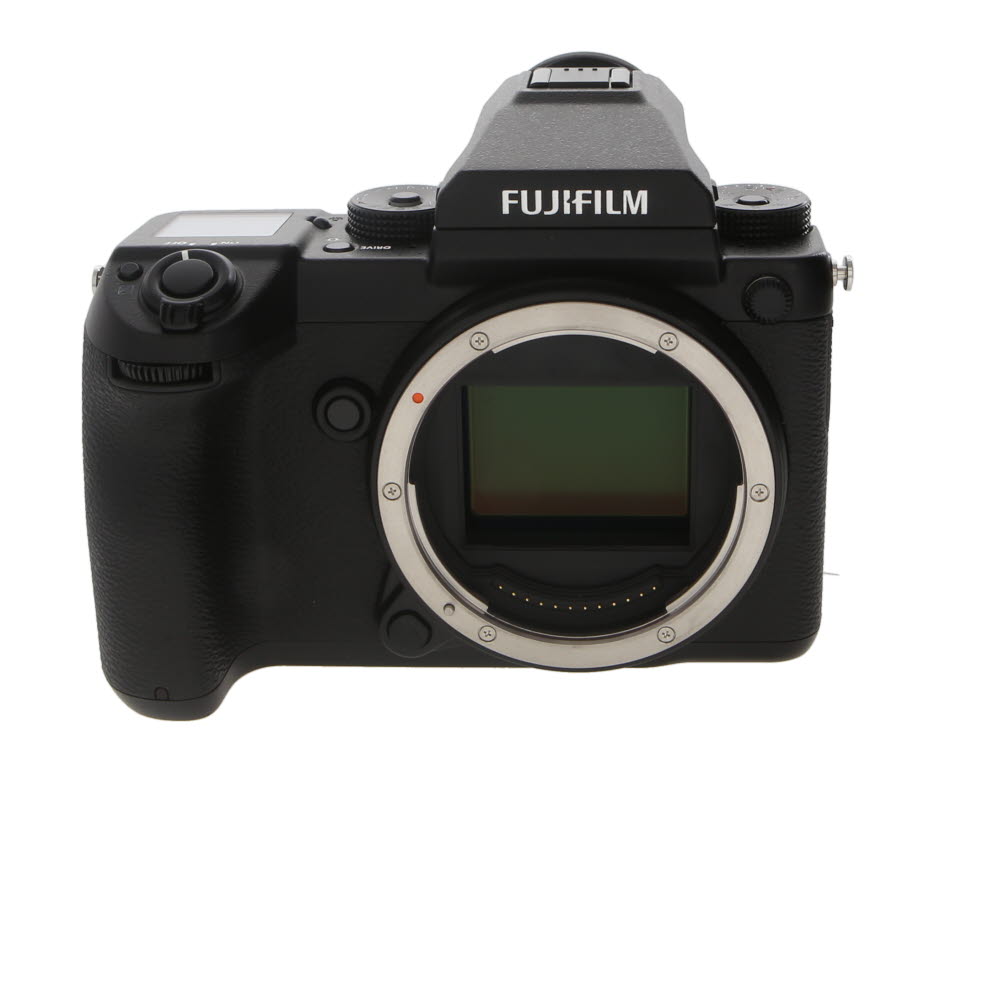
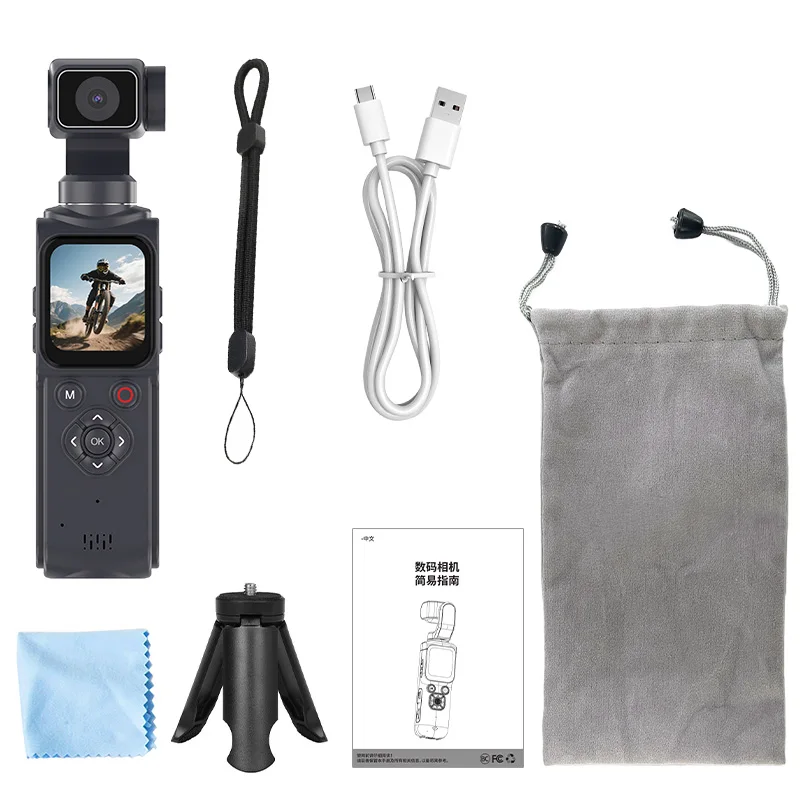
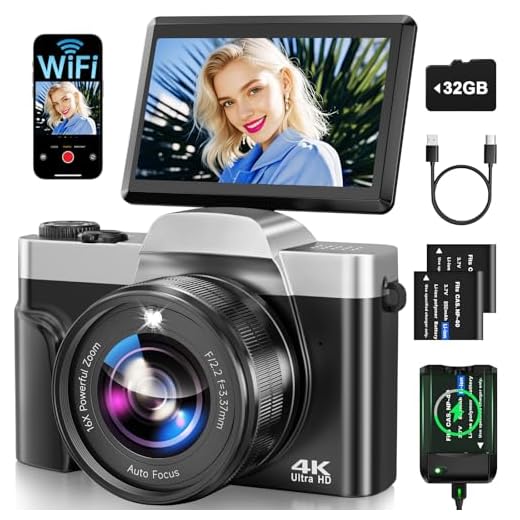
EVFs have several advantages over optical viewfinders, including the ability to display exposure settings, focus peaking, and other key information directly in the viewfinder. This allows photographers to make more informed decisions while composing their shots.
Key Benefits of EVF Technology:
- Real-time Feedback: EVFs provide a live view of the scene, allowing photographers to see changes in exposure, white balance, and depth of field instantly.
- Focus Assist Features: EVFs often include focus peaking and magnification tools to help photographers achieve sharp focus.
Overall, EVF technology has revolutionized the way photographers compose and capture images, offering a more intuitive and versatile shooting experience.
Benefits of EVF Cameras
EVF (Electronic Viewfinder) cameras offer several advantages over traditional optical viewfinder cameras. Here are some of the key benefits:
1. Real-time Preview
One of the primary benefits of EVF cameras is the ability to see a real-time preview of the image you are about to capture. This allows you to adjust settings such as exposure, white balance, and composition before taking the shot, ensuring you get the desired results.
2. Focus Peaking
Many EVF cameras come equipped with focus peaking technology, which highlights the areas of the image that are in focus. This feature is especially useful for achieving sharp focus in manual focus mode, making it easier to capture crisp and detailed images.

Comparison with Optical Viewfinder
When comparing an EVF digital camera with an optical viewfinder (OVF), there are several key differences to consider. EVFs provide a digital representation of the scene in real-time, allowing photographers to see the effects of exposure settings, white balance, and other adjustments before capturing the image. This can be particularly helpful for beginners or those looking to experiment with different settings.
On the other hand, optical viewfinders offer a more traditional and direct view of the scene through the camera’s lens. Some photographers prefer the optical viewfinder for its clarity and lack of lag, especially in fast-paced shooting situations. However, optical viewfinders do not provide the same level of information and customization options as EVFs.
Overall, the choice between an EVF and an OVF comes down to personal preference and shooting style. While EVFs offer advanced features and real-time feedback, optical viewfinders provide a more direct and immersive viewing experience. Photographers should consider their unique needs and preferences when selecting a camera with either type of viewfinder.
Choosing the Right EVF Camera
When selecting an EVF digital camera, there are several key factors to consider to ensure you get the best camera for your needs.
1. Resolution
One of the most important factors to consider when choosing an EVF camera is the resolution of the electronic viewfinder. A higher resolution EVF will provide a clearer and more detailed image, making it easier to compose your shots accurately.

2. Size and Weight
Another important consideration is the size and weight of the camera. Make sure to choose a camera that is comfortable for you to hold and carry around, especially if you plan on using it for extended periods of time.
By carefully considering these factors, you can select the right EVF camera that meets your needs and helps you capture stunning photos and videos.
Future of EVF Technology
Electronic Viewfinder (EVF) technology has come a long way in recent years, and its future looks promising. As camera manufacturers continue to innovate and improve EVF technology, we can expect to see even more advanced features and capabilities in the coming years.
Some of the potential developments in the future of EVF technology include:
- Higher resolution EVF displays for sharper and more detailed images.
- Improved refresh rates for smoother motion rendering.
- Enhanced color accuracy for more true-to-life representation of images.
- Increased brightness and contrast ratios for better visibility in various lighting conditions.
- Integration of augmented reality (AR) features to overlay information directly in the viewfinder.
With these advancements and more on the horizon, EVF technology is set to revolutionize the way photographers and videographers capture and view their content.
FAQ
What is an EVF digital camera?
An EVF (Electronic View Finder) digital camera is a type of camera that uses an electronic display to show a preview of the image the camera will capture. This allows photographers to see an accurate representation of the final image before taking the shot.
How does an EVF digital camera differ from an optical viewfinder camera?
An EVF digital camera uses an electronic display to show the image preview, while an optical viewfinder camera uses a physical mirror system to show the scene directly through the lens. EVF cameras offer advantages like real-time exposure feedback and the ability to preview settings adjustments.
Are EVF digital cameras better than optical viewfinder cameras?
The choice between an EVF and an optical viewfinder camera depends on personal preferences and shooting style. EVF cameras offer features like real-time exposure feedback, focus peaking, and electronic overlays, while optical viewfinders provide a direct, unmediated view of the scene.
What are the benefits of using an EVF digital camera?
Using an EVF digital camera provides benefits such as real-time exposure feedback, the ability to preview settings adjustments, focus peaking for accurate manual focusing, electronic overlays for additional information, and the convenience of seeing the final image before capture.
Can I use an EVF digital camera for professional photography?
EVF digital cameras are used by many professional photographers for their advanced features, real-time feedback, and ability to customize settings. While some professionals still prefer optical viewfinder cameras for certain types of photography, EVF cameras are widely accepted in the industry.


I've been using an EVF camera for a year now, and I love the focus peaking feature. It makes manual focusing so much easier!
I have to disagree on the claim that EVFs are better for everyone. I've tried them and still prefer my optical viewfinder for its clarity and directness. The lag in EVFs can be frustrating during fast-action shots.
It's valid to prefer optical viewfinders, especially for fast-paced photography. They do offer a direct view without lag, but many find the features of EVFs beneficial in other types of shooting.
I disagree that EVFs are better for everyone. I find optical viewfinders offer a more authentic shooting experience without the electronic lag. For my style of photography, nothing beats the direct view.
What are some examples of popular EVF cameras on the market right now? I'm considering switching from an optical viewfinder.
The Sony A7 series and Fujifilm X-T4 are great options. They offer excellent EVF technology and are quite popular among photographers.
I've been using an EVF camera for a year now, and I love the focus peaking feature. It really helps with getting sharp shots, especially in low light. Definitely a game changer for me!
I switched to an EVF camera from my old DSLR last year, and I have to say, it took some getting used to. The real-time feedback is fantastic, but I miss the optical clarity sometimes, especially in bright sunlight. Overall, I think for beginners, EVFs are a great choice, but for fast-paced shooting, I still find OVFs a bit more reliable.
Thanks for sharing your experience! Many photographers find that it takes time to adjust from OVFs to EVFs, but your insights on real-time feedback and clarity are valuable for anyone considering a switch.
I wonder how EVFs perform in bright sunlight compared to optical viewfinders. Do you find them hard to see?
That's a great point! I’ve noticed that while EVFs can struggle a bit in direct sunlight, newer models have improved brightness, making them more usable outdoors.
I've been using an EVF camera for a year now, and I can’t imagine going back to an optical viewfinder. The real-time feedback is a game changer, especially when playing with exposure settings. However, I sometimes miss the clarity of an optical viewfinder during fast-paced shooting. It can be a bit laggy when you’re trying to capture quick action shots. Anyone else feel this way?
Absolutely! I feel the same. I love my EVF for landscape photography, but when I’m shooting sports, the lag can be frustrating. It’s all about knowing your equipment and what suits your style.
I have both an EVF camera and a traditional optical viewfinder. While I appreciate the instant feedback from the EVF, the OVF feels more natural and less laggy, especially in fast-moving situations. Has anyone else found a balance between the two?
I prefer the EVF for landscapes because I can see the exposure adjustments in real-time. But for sports photography, the OVF is still my go-to.
Great article! I'm curious, how do EVF cameras perform in low light conditions compared to optical viewfinders? Are there specific models you recommend?
I’ve noticed that my EVF does a decent job in low light, but you really have to rely on the focus peaking feature to ensure you're getting the shot right. Some models like the Sony a7 series have excellent low-light performance.
EVF cameras often excel in low-light conditions because they can amplify the light entering the lens. Models like the Sony a7 III or the Fujifilm X-T4 are well-regarded for their low-light capabilities. Always check the EVF specs for better performance!
What are some good beginner EVF cameras to start with?
Thanks for the article! Can you explain how the focus peaking feature works in EVF cameras? I'm curious about its practical benefits.
I still prefer my optical viewfinder. I feel like it gives me a more immediate and clear view of the scene. EVFs can sometimes lag, which is frustrating during fast-paced shooting.
I love that EVFs can simulate different film types. It gives such a creative edge when shooting.
I don’t find EVFs to be that helpful. I prefer the simplicity of an optical viewfinder—no lag or electronic issues to worry about. Each to their own, I guess.
How do the refresh rates of EVFs compare to optical viewfinders? Is lag a real issue?
What are the main advantages of using an EVF over an optical viewfinder? I'm trying to decide which type to invest in.