
 Carmen J. Moore

Digital camera filters are essential accessories for photographers looking to enhance their images and achieve creative effects. These filters can be attached to the lens of a digital camera to alter the way light enters the camera and interacts with the sensor. By using different filters, photographers can control factors such as exposure, color balance, and contrast, resulting in stunning and unique photographs.
There are various types of digital camera filters available, each serving a specific purpose. UV filters are commonly used to protect the camera lens from scratches and dust, while polarizing filters help reduce reflections and glare, making colors appear more vibrant and saturated. Neutral density filters are used to reduce the amount of light entering the camera, allowing photographers to use slower shutter speeds or wider apertures in bright conditions.
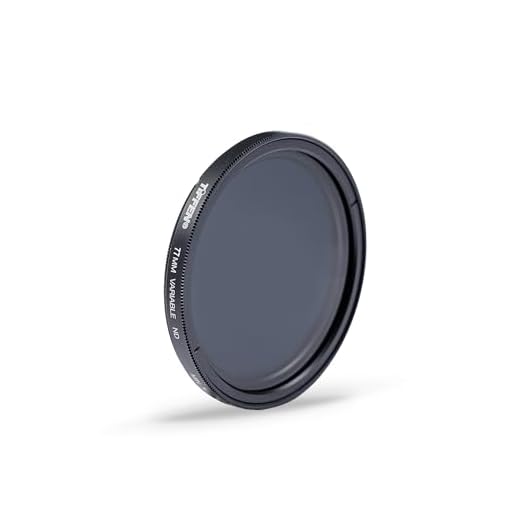

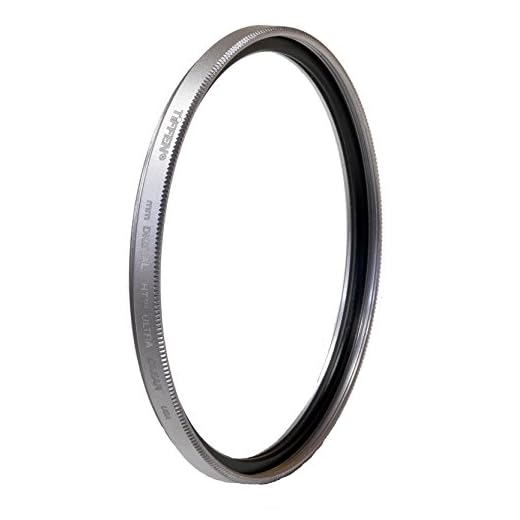
Additionally, creative filters such as color filters, soft focus filters, and star filters can be used to add artistic flair to photos, creating dreamy effects, enhancing colors, or adding sparkle to light sources. Understanding how to use digital camera filters effectively can significantly improve the quality and visual impact of your photographs, making them stand out from the crowd.
Enhancing your photography
Improving your photography skills can be a rewarding journey. One way to enhance your photos is by using digital camera filters. These filters can help you achieve different effects and enhance the overall quality of your images.
- Color filters: Color filters can add a creative touch to your photos by enhancing or changing the colors in your images. For example, a red filter can make reds more vibrant, while a blue filter can enhance blues.
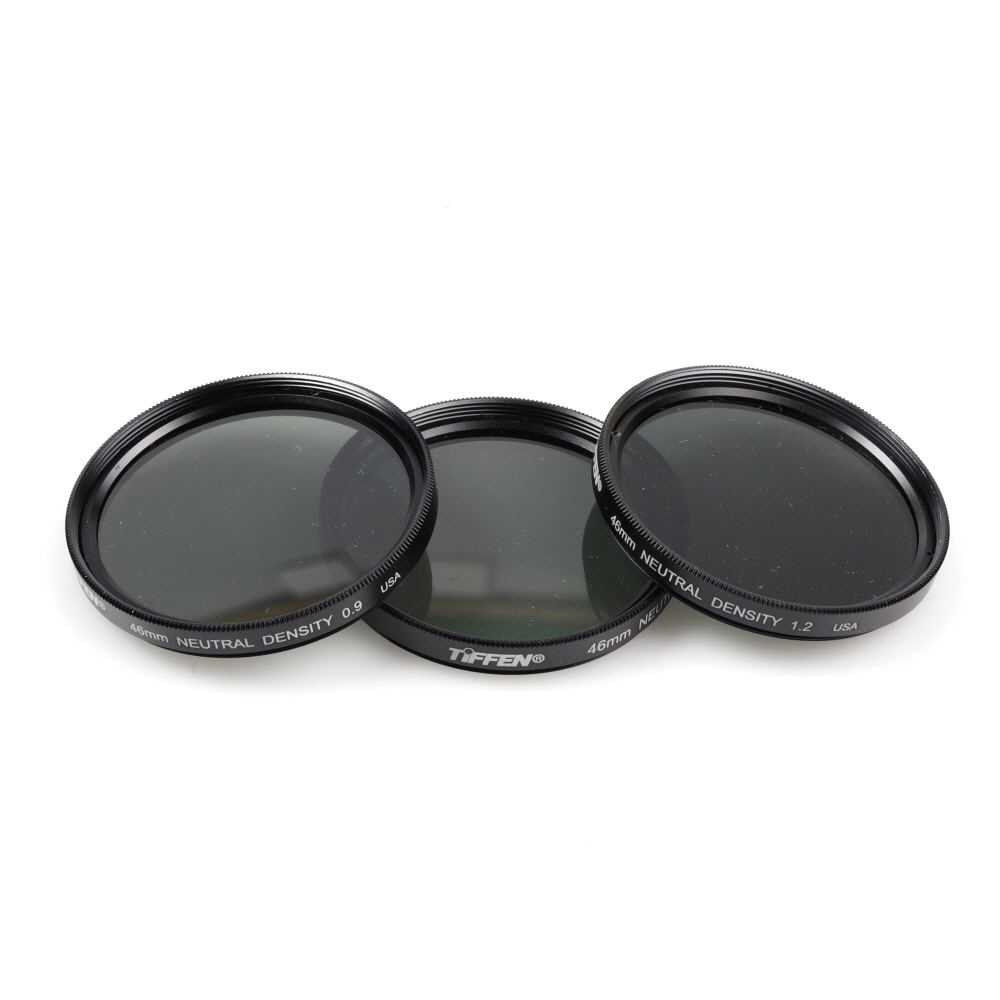
- Neutral density filters: Neutral density filters reduce the amount of light entering your camera, allowing you to use slower shutter speeds or wider apertures in bright conditions. This can help you achieve creative effects like motion blur or shallow depth of field.
- Polarizing filters: Polarizing filters reduce reflections and glare, making colors appear more saturated and vibrant. They are especially useful for landscape photography to enhance the contrast between the sky and clouds.
- UV filters: UV filters are mainly used to protect the camera lens from dust, moisture, and scratches. They also help reduce the hazy effect caused by ultraviolet light in outdoor photos.
Experimenting with different filters can open up new creative possibilities and elevate your photography to the next level. Whether you’re a beginner or a seasoned photographer, incorporating filters into your workflow can help you capture stunning and unique images.
Understanding the basics
Before diving into the world of digital camera filters, it’s important to understand the basics. Filters are accessories that can be attached to the front of a camera lens to modify or enhance the images you capture. They can alter the colors, reduce glare, improve contrast, or add special effects to your photos.
Filters come in various shapes, sizes, and types, each serving a specific purpose. Some common types of filters include UV filters, polarizing filters, neutral density filters, and color filters. Understanding how each type of filter works and when to use them can help you take your photography to the next level.

Types of digital camera filters
There are various types of filters that can be used with digital cameras to enhance photos and achieve different effects. Some common types of digital camera filters include:
1. UV filter
- A UV filter is used primarily to reduce haze and ultraviolet light in outdoor photography.
- It helps protect the camera lens from dust, moisture, and scratches.
2. Polarizing filter
- A polarizing filter helps reduce reflections and glare from surfaces such as water or glass.
- It enhances color saturation and contrast in images, especially in landscape photography.
These are just a few examples of the types of digital camera filters available. Each filter serves a specific purpose and can greatly impact the final look of your photographs.
Choosing the right filter
When choosing a filter for your digital camera, it’s important to consider your specific needs and the effect you want to achieve in your photos. Here are some factors to consider:
1. Type of filter
There are various types of filters available, such as UV filters, polarizing filters, ND filters, and color filters. Each type serves a different purpose, so it’s essential to understand the function of each filter before making a decision.
2. Filter size
Make sure to choose a filter that fits the diameter of your camera lens. Most filters come in standard sizes, but it’s crucial to check the specifications to ensure compatibility with your lens.
Pro tip: Consider investing in a high-quality filter to avoid any potential degradation of image quality.
Using filters creatively
Experimenting with different filters
Filters can be used creatively to add unique effects to your photos. Try experimenting with different types of filters to see how they can enhance your images. For example, a polarizing filter can help reduce glare and reflections, while a neutral density filter can be used to create long exposure effects. Don’t be afraid to try out new combinations of filters to achieve the look you desire.
Adding mood and atmosphere
Filters can also be used to add mood and atmosphere to your photos. For example, a warm filter can give your photos a cozy, inviting feel, while a cool filter can create a sense of calm and serenity. Think about the emotions you want to evoke in your viewers and choose filters that help convey that message.
Enhancing colors and textures
Filters can also be used to enhance the colors and textures in your photos. For example, a color-enhancing filter can make the colors in your photos appear more vibrant and saturated, while a soft-focus filter can add a dreamy, ethereal quality to your images. Consider the overall aesthetic you want to achieve and choose filters that enhance those elements.
Tips for using filters effectively
1. Understand the purpose of each filter before using it. Different filters serve different functions, such as enhancing colors, reducing glare, or creating special effects.
2. Experiment with different filters to see how they impact your photos. Try using a polarizing filter to reduce reflections or a neutral density filter to control exposure in bright light.
3. Consider the lighting conditions when using filters. Some filters work best in specific lighting situations, so adjust your filter choice accordingly.

4. Don’t overuse filters. While filters can enhance your photos, using too many filters or using them excessively can result in unnatural-looking images.
5. Clean your filters regularly to ensure they are free from dust, smudges, or scratches, which can affect the quality of your photos.
FAQ
What is the purpose of using digital camera filters?
Digital camera filters serve various purposes, such as enhancing colors, reducing glare, improving contrast, and adding creative effects to photos.
How do digital camera filters affect image quality?
The impact of digital camera filters on image quality can vary depending on the type of filter used. Some filters can improve image sharpness and color accuracy, while others may introduce artifacts or reduce image clarity.
Can digital camera filters be used for creative purposes?
Yes, digital camera filters can be used creatively to achieve unique effects in photography. For example, using a polarizing filter can enhance the colors of the sky and reduce reflections, while a neutral density filter can create long exposure effects.
Are digital camera filters necessary for all types of photography?
Digital camera filters are not necessary for all types of photography, but they can be beneficial in certain situations. Landscape photographers, for example, often use filters to enhance colors and reduce glare, while portrait photographers may use filters to soften skin tones or add a vintage look to their photos.
What are some popular types of digital camera filters?
Some popular types of digital camera filters include UV filters for lens protection, polarizing filters for reducing reflections and enhancing colors, ND filters for long exposure photography, and creative filters like color filters and diffusion filters for artistic effects.



I recently started using a UV filter mainly to protect my lens, but I was surprised at how it also reduced the haziness in my outdoor shots! I didn’t expect it to have such an impact on the photo quality. I’m curious if others have had similar experiences with UV filters or if they prefer other types instead?
I’ve had a similar experience! When I started using a UV filter, I noticed my images looked sharper, especially in bright sunlight. It's nice to know I'm also protecting my lens.
Thanks for sharing your experience! Many photographers find that UV filters not only protect their lenses but also improve image clarity in certain conditions. It's a practical choice for outdoor photography.
What’s the main difference between using a polarizing filter and a neutral density filter? I’m trying to understand which one would be better for landscape photography.
Great question! A polarizing filter reduces glare and enhances color saturation, making it ideal for landscapes, especially when capturing skies and water. On the other hand, a neutral density filter reduces the amount of light entering the lens, allowing for longer exposure times. If you want to capture motion blur in water or create a dreamy effect, the ND filter would be more suitable. Both can enhance landscape photography, but they serve different purposes.