
 Carmen J. Moore

Have you ever wondered what the first digital camera looked like? The evolution of photography has been a fascinating journey, and the birth of the digital camera marked a revolutionary milestone in the history of capturing images. In an era dominated by film cameras, the emergence of the digital camera brought about a new era of convenience and innovation.
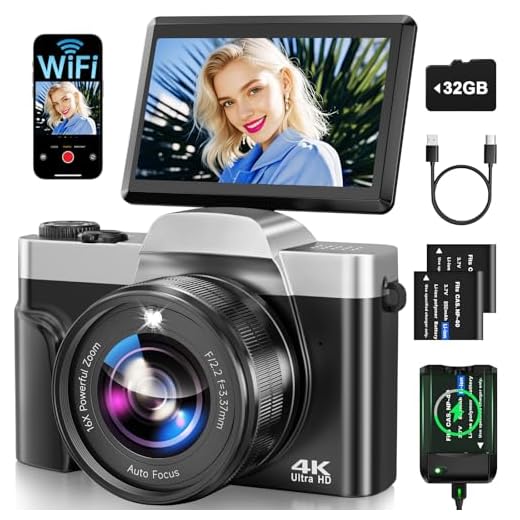
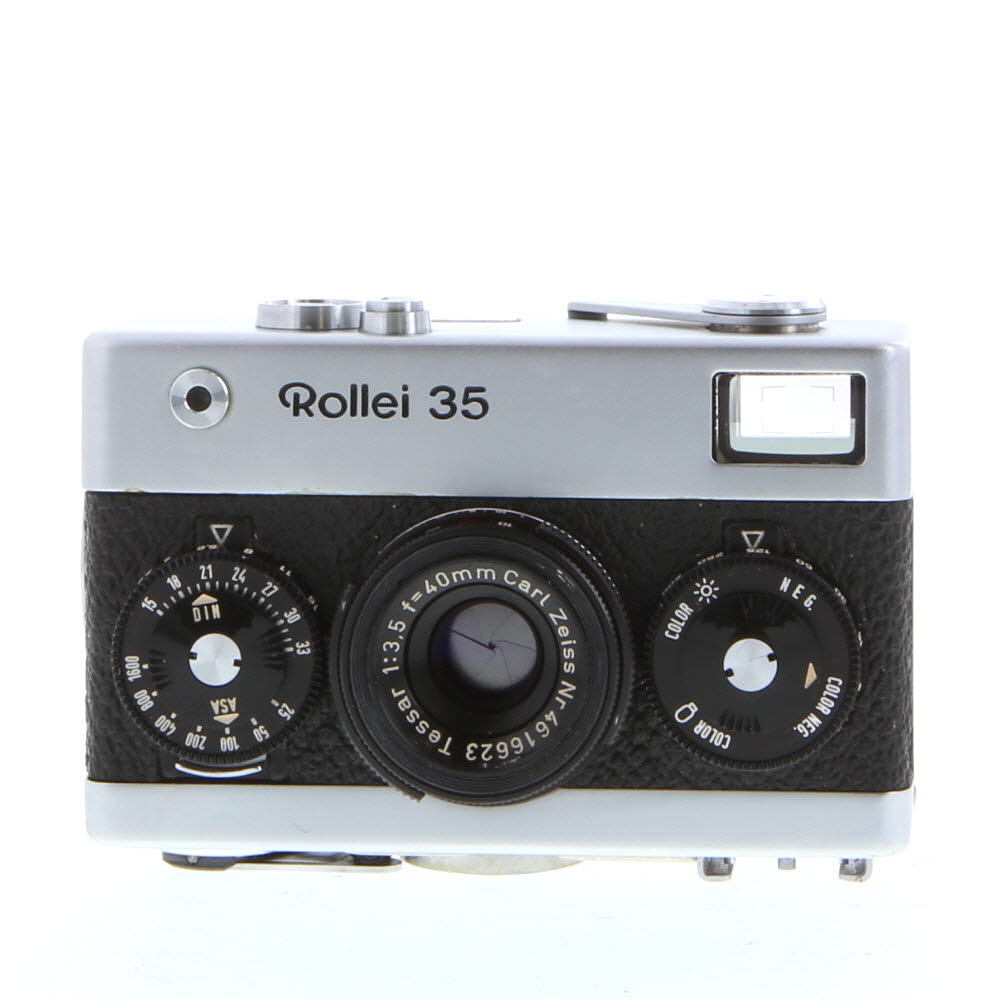

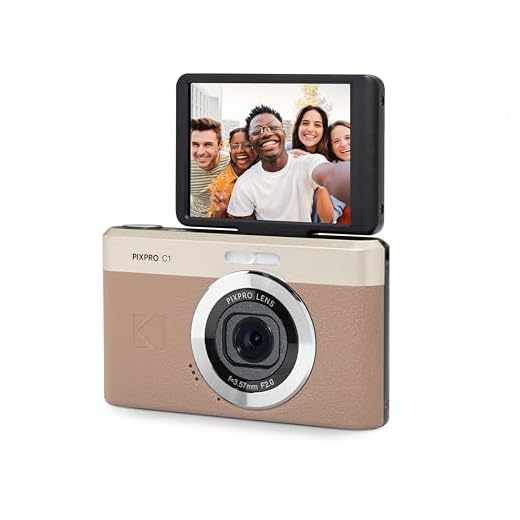
Let’s travel back in time to explore the origins of the first digital camera and discover how this groundbreaking invention laid the foundation for the digital imaging technology we use today.
The Invention of the Digital Camera
The first digital camera was invented by Steven Sasson, an engineer at Eastman Kodak, in 1975. This groundbreaking invention marked the beginning of a new era in photography, revolutionizing the way images are captured and stored.
Features of the First Digital Camera
The first digital camera was a bulky and rudimentary device that weighed nearly 8 pounds and had a resolution of 0.01 megapixels. It used a CCD sensor to capture black and white images, which were stored on a cassette tape.
Significance of the Invention
Despite its limitations, the invention of the digital camera paved the way for the development of modern digital photography. It laid the foundation for the compact, high-resolution digital cameras we use today, transforming the way we capture and share moments forever.
Evolution of Photography Technology
Photography has come a long way since the invention of the first digital camera. The evolution of photography technology has been a fascinating journey, marked by significant milestones and innovations that have revolutionized the way we capture and preserve moments.

The First Digital Camera
The first digital camera was invented by Steven Sasson, an engineer at Eastman Kodak, in 1975. It was a bulky device that weighed about 8 pounds and was capable of capturing black and white images with a resolution of 0.01 megapixels. The images were stored on a cassette tape and could be viewed on a television screen.
The Rise of Digital Photography
Over the years, digital photography has become increasingly popular due to the convenience and flexibility it offers. Digital cameras have evolved to become smaller, lighter, and more powerful, with resolutions now reaching tens of megapixels. The introduction of smartphones with high-quality cameras has further democratized photography, making it accessible to everyone.
First Prototype Development
Before the first digital camera was officially introduced, the development process involved creating several prototypes to test the feasibility of the concept. The initial prototypes were bulky and not very user-friendly, but they paved the way for the revolutionary technology that would follow.
Prototype Design
The first digital camera prototype consisted of a large box-like structure with a lens attached to the front. It had a digital sensor inside that captured light and converted it into digital information. The design was far from the sleek, compact cameras we are accustomed to today, but it was a major step forward in imaging technology.
Technical Specifications
The early prototypes had limited technical capabilities compared to today’s digital cameras. They had low resolution and storage capacity, and the images produced were of lower quality. However, these early models laid the groundwork for future advancements in digital photography.
| Aspect | Details |
|---|---|
| Resolution | Low resolution compared to modern standards |
| Storage | Limited storage capacity for images |
| Image Quality | Images were of lower quality than traditional film cameras |
Key Features of the First Digital Camera
The first digital camera, invented by Steven Sasson at Eastman Kodak, had several key features that set it apart from traditional film cameras. Here are some of the notable features:
1. Resolution: The first digital camera had a resolution of 0.01 megapixels, which was considered groundbreaking at the time.
2. Storage: Instead of using film, the first digital camera stored images on a cassette tape, allowing for easy transfer to a computer for viewing and editing.
3. Viewing Screen: The digital camera featured a small black-and-white LCD screen for previewing images, a feature that was not common in film cameras.
4. Battery Powered: Unlike film cameras that relied on manual winding, the first digital camera was powered by batteries, making it more convenient to use.
5. Size and Weight: The first digital camera was bulky and heavy compared to modern digital cameras, but it marked the beginning of a new era in photography.
Initial Public Reaction
When the first digital camera was introduced to the public, it sparked a mixture of curiosity and skepticism. Many people were intrigued by the idea of capturing images electronically without the need for film, while others were hesitant to embrace this new technology.
Photography enthusiasts were particularly interested in the potential of digital photography to revolutionize the way images were captured and stored. However, some traditional photographers were skeptical of the quality of digital images compared to film.
Despite the initial reservations, the convenience and flexibility of digital photography eventually won over many skeptics, paving the way for the widespread adoption of digital cameras in the years to come.
Impact on Photography Industry
The invention of the first digital camera revolutionized the photography industry in numerous ways. Here are some key impacts:

- Instant Viewing: Digital cameras allowed photographers to instantly view the images they captured, eliminating the need for film development and processing time.
- Cost Efficiency: Digital photography significantly reduced costs associated with film, processing, and printing, making photography more accessible to a wider audience.
- Editing and Manipulation: Digital images could be easily edited, enhanced, and manipulated using software, providing photographers with greater creative freedom.
Overall, the introduction of digital cameras transformed the photography industry, leading to the digitalization of photography and the emergence of new opportunities and trends in the field.
Technological Advancements in Digital Cameras
Over the years, digital cameras have undergone significant technological advancements, revolutionizing the way we capture and store images. From the first digital camera developed in the 1970s to the high-resolution, feature-rich cameras available today, the evolution of digital photography has been remarkable.
1. Megapixel Count
One of the key advancements in digital cameras is the increase in megapixel count. Early digital cameras had a resolution of just a few hundred thousand pixels, resulting in low-quality images. Today, digital cameras offer resolutions ranging from 10 to 50 megapixels, allowing for incredibly detailed and sharp photos.
2. Image Processing Technology
Another major advancement in digital cameras is the improvement in image processing technology. Modern cameras are equipped with powerful processors that can quickly process images, apply complex algorithms for noise reduction, color correction, and enhance overall image quality. This technology has made it easier for photographers to capture stunning images with minimal post-processing.
Modern Digital Camera Innovations
Modern digital cameras have come a long way since the first prototype. Here are some of the most notable innovations in digital camera technology:
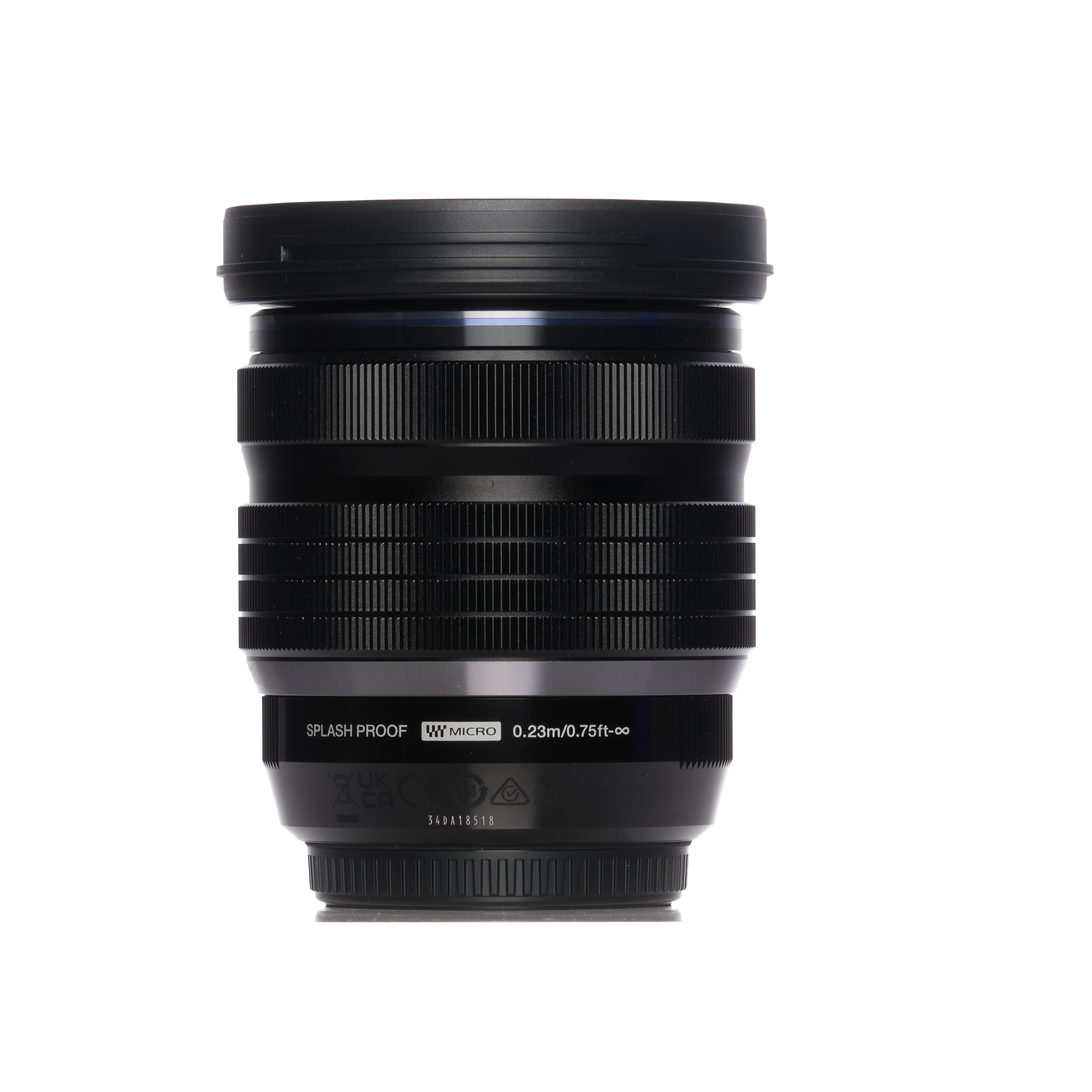
- High Megapixel Count: Digital cameras now boast incredibly high megapixel counts, allowing for ultra-sharp and detailed images.
- Advanced Autofocus Systems: Cameras now feature advanced autofocus systems that can track subjects with precision and speed.
- Image Stabilization: Many modern cameras have built-in image stabilization technology to reduce blur caused by shaky hands.
- Wireless Connectivity: Cameras can now connect wirelessly to smartphones and other devices for easy sharing and remote control.
- 4K Video Recording: Some digital cameras can now record ultra-high-definition 4K video for professional-quality footage.
- Artificial Intelligence: AI technology is being integrated into cameras to enhance image quality, optimize settings, and even identify subjects.
FAQ
What was the first digital camera made of?
The first digital camera, invented by Steven Sasson at Eastman Kodak in 1975, was made of a CCD image sensor, a digital-to-analog converter, and a cassette tape to store images.
How big was the first digital camera?
The first digital camera was quite bulky, weighing about 8 pounds and being the size of a toaster. It was not very portable compared to today’s compact digital cameras.
What resolution did the first digital camera have?
The first digital camera had a resolution of 0.01 megapixels, which is extremely low compared to modern digital cameras. It could capture black and white images at a resolution of 100×100 pixels.


I'm curious about how the quality of images taken by the first digital camera compares to early film cameras. Was the image quality really that bad?
The image quality was definitely lower than film cameras. With a resolution of just 0.01 megapixels, the images were quite grainy compared to even the most basic film cameras of that time.
I remember seeing the first digital cameras in the 90s, and they were such a novelty. It felt amazing to instantly view your pictures without waiting for film to develop. I can't imagine going back to film now, but I wonder how many people back then were skeptical about making the switch.
I was one of those skeptics! I loved my film camera and was unsure if digital would ever catch up in quality. But looking back, I can't believe how much photography has changed.