
 Carmen J. Moore

Photography has evolved immensely with the advent of digital cameras. These powerful tools have revolutionized the way we capture and preserve memories, offering unmatched flexibility, convenience, and quality. Gone are the days of film rolls and darkrooms – digital cameras have ushered in a new era of instant gratification and limitless creative possibilities.
So, what makes digital cameras the superior choice for photographers? Firstly, their ability to capture high-resolution images with stunning clarity and detail is unparalleled. Whether you’re a professional photographer seeking the perfect shot or an amateur looking to document life’s fleeting moments, digital cameras offer the precision and control necessary to achieve your vision.
Advantages of Digital Cameras for Photography
Digital cameras offer numerous advantages for photography enthusiasts compared to traditional film cameras:
- Instant Preview: With digital cameras, you can instantly view the photos you’ve taken on the LCD screen, allowing you to adjust settings and composition on the spot.
- Immediate Feedback: Digital cameras provide immediate feedback on exposure, focus, and composition, helping you improve your photography skills faster.
- Convenience: Digital cameras eliminate the need for film rolls, darkrooms, and printing, making the entire process of capturing and sharing photos more convenient.
- Flexibility: Digital cameras offer a wide range of shooting modes, settings, and editing options, allowing you to experiment and be more creative with your photography.
- Storage and Organization: Digital photos can be easily stored, organized, and backed up on computers, external drives, or cloud services, making it easier to manage and access your photo collection.
- Cost-Effective: While the initial investment in a digital camera may be higher, the long-term cost of using digital cameras is lower due to the savings on film, processing, and printing.
Improved Image Quality
One of the key advantages of digital cameras is the improved image quality they offer. With higher resolution sensors and advanced image processing algorithms, digital cameras can capture sharp, clear images with vibrant colors and high levels of detail. This allows photographers to produce stunning images that are rich in texture and depth, making them ideal for professional photography.

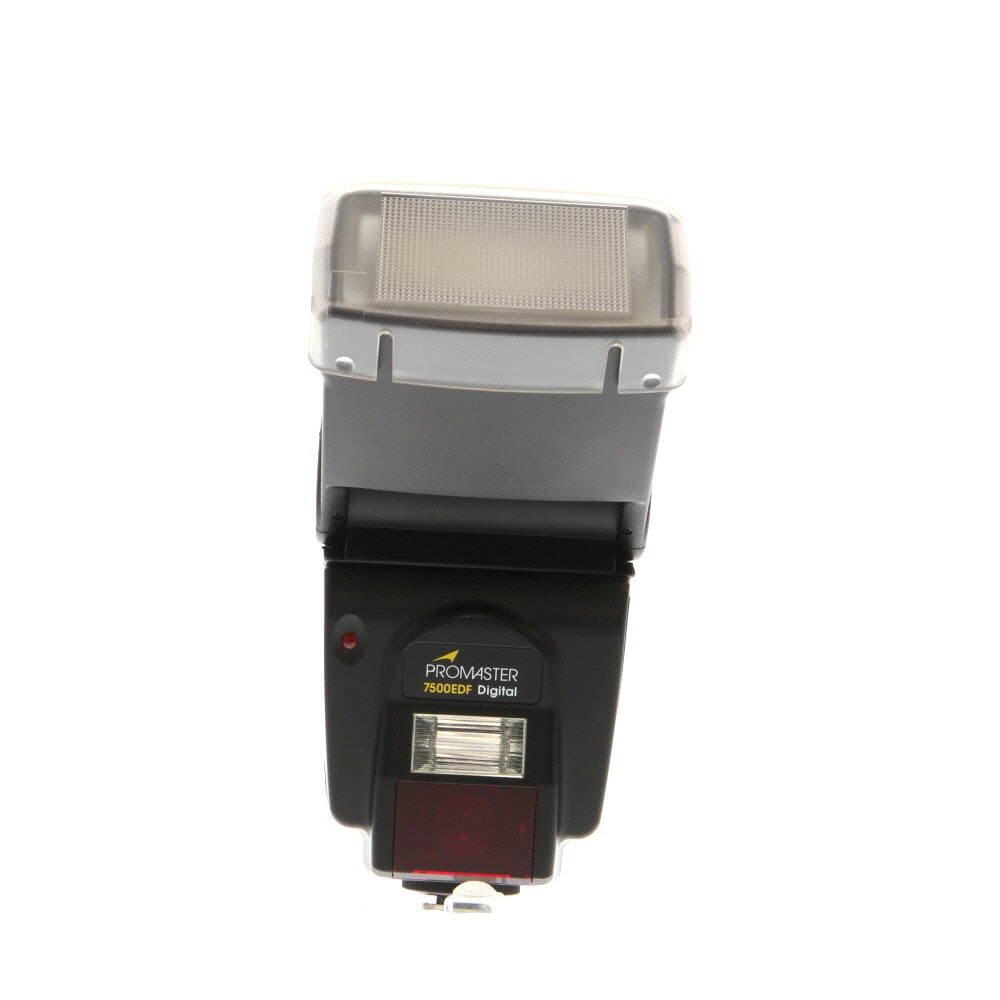


Digital cameras also offer greater control over various aspects of image quality, such as exposure, white balance, and color saturation. This means photographers can fine-tune their settings to achieve the desired look and feel for their photos, resulting in more visually appealing and professional-looking images.
Additionally, digital cameras often have features like image stabilization and noise reduction technology, which help improve image quality even in challenging shooting conditions. These features can minimize blurriness and noise in photos, ensuring that images remain sharp and clear, even in low light or high-speed situations.
Convenience of Storage
One of the key advantages of digital cameras is the convenience of storage. Instead of carrying multiple rolls of film, photographers can now store hundreds or even thousands of photos on a single memory card. This allows for easy organization and quick access to images.
Memory Card Options
Memory cards come in various capacities, ranging from a few gigabytes to multiple terabytes. This gives photographers the flexibility to choose the right storage size based on their needs.
Backup and Transfer
With digital cameras, photographers can easily backup and transfer their images to a computer or external storage device. This ensures that precious photos are safely stored and can be accessed whenever needed.
Flexibility in Editing
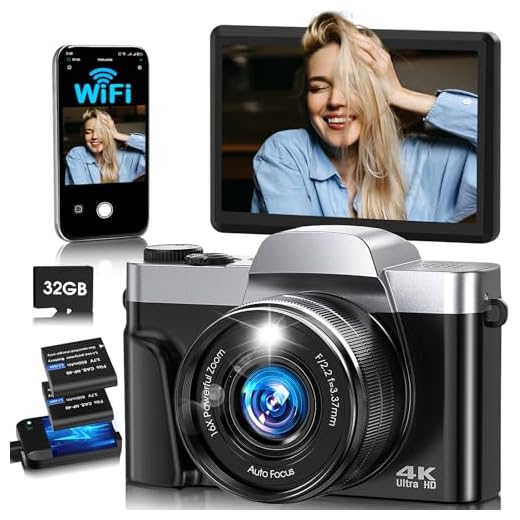
One of the key advantages of digital cameras for photography is the flexibility they offer in editing images. With digital cameras, you can easily adjust exposure, contrast, saturation, and other settings directly on the camera or through editing software on your computer. This allows you to fine-tune your images to achieve the desired look and correct any imperfections.
Additionally, digital cameras allow for non-destructive editing, meaning you can make changes to your images without altering the original file. This gives you the freedom to experiment with different editing techniques and revert to the original image at any time. The ability to save images in various file formats also enhances the flexibility in editing, as you can choose the format that best suits your needs for printing or sharing online.
Enhanced Portability
One of the key advantages of digital cameras is their enhanced portability. Unlike traditional film cameras, digital cameras are compact and lightweight, making them easy to carry around. This portability allows photographers to capture spontaneous moments and travel with ease, without the need for bulky equipment.
Additionally, digital cameras often come with built-in storage or memory card slots, eliminating the need to carry rolls of film. This further contributes to their portability and convenience, as photographers can easily transfer and store their images digitally.
Furthermore, the advancement of technology has led to the development of mirrorless and compact digital cameras, which are even more portable without compromising on image quality. These cameras are perfect for photographers who prioritize mobility and flexibility in their photography.
Integration with Technology
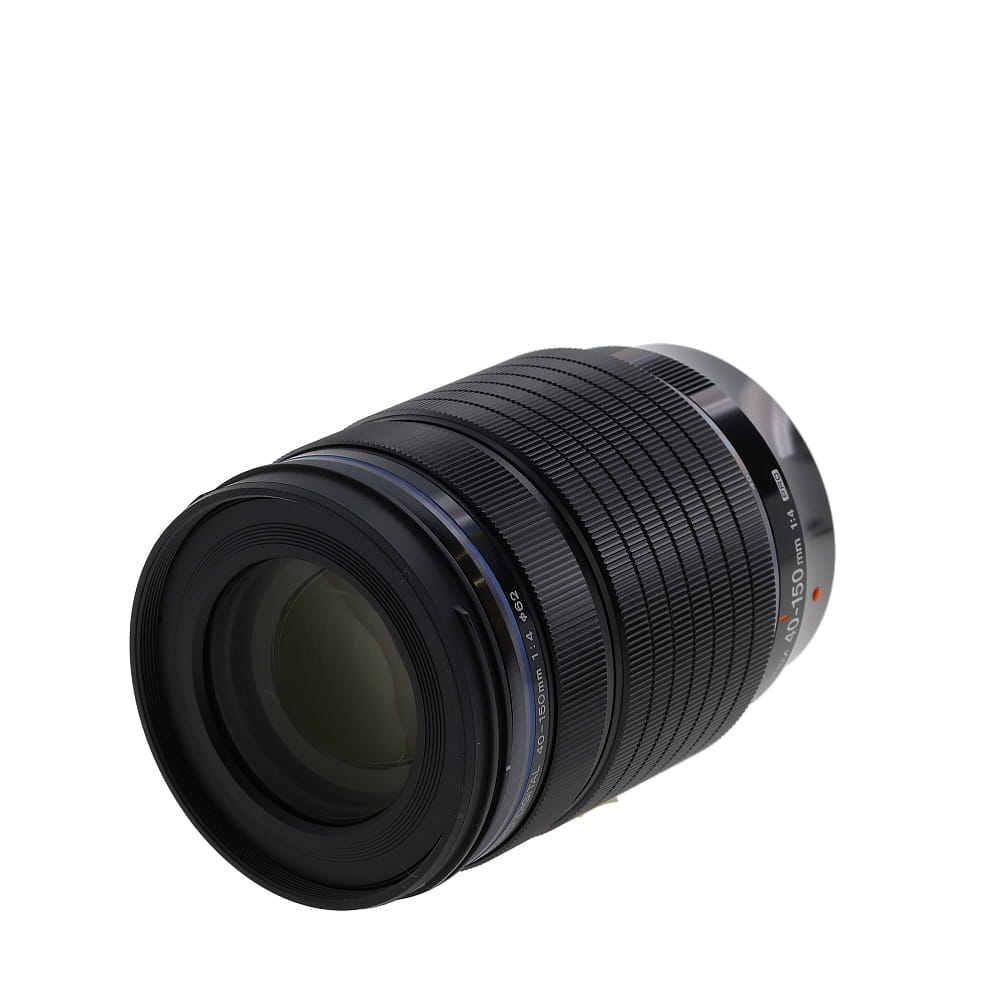
One of the key advantages of digital cameras for photography is their seamless integration with technology. With the advancement of digital imaging, photographers can easily transfer and edit their photos on various devices, such as computers, tablets, and smartphones.
Furthermore, many digital cameras now come equipped with Wi-Fi or Bluetooth capabilities, allowing for instant sharing of photos on social media platforms or cloud storage services. This level of connectivity enhances the overall photography experience and enables photographers to quickly and efficiently showcase their work to a wider audience.
Cost-Efficiency in the Long Run
While the initial investment in a digital camera may seem high, it can actually be cost-efficient in the long run. Unlike film cameras, digital cameras do not require ongoing costs for film rolls and developing. This can result in significant savings over time, especially for photographers who take a large number of photos.
Additionally, digital cameras offer the convenience of being able to review and delete photos on the spot, saving both time and money that would have been spent on printing unwanted shots. The ability to easily share digital photos online also eliminates the need for expensive printing services.
| Cost Savings: | Digital cameras eliminate film and developing costs |
| Convenience: | Review and delete photos instantly |
| Sharing: | Easy online sharing reduces printing expenses |
FAQ
What are the advantages of digital cameras for photography?
Digital cameras offer a lot of advantages for photography, such as instant preview of photos, easy editing options, and the ability to take a large number of photos without the need to change film.

How do digital cameras compare to film cameras in terms of quality?
Digital cameras have greatly improved in quality over the years and can now produce images that are comparable, if not better, than those from film cameras. With the right settings and post-processing, digital cameras can deliver stunning results.


I disagree about the cost-efficiency claim. Sure, digital cameras save on film, but the initial investment and ongoing upgrades can be expensive. Sometimes, sticking with film can be more budget-friendly for those who don’t shoot often.
I disagree about the cost-efficiency claim. Sure, digital cameras save on film, but the initial investment and ongoing upgrades can be expensive. Sometimes, sticking with film can be more budget-friendly for those who don’t shoot often.
That’s a valid point! If someone doesn’t take many photos, film could work out cheaper. But for those who shoot regularly, I think digital balances out better in the long run.
I'm curious about the differences in image quality between entry-level digital cameras and professional ones. Do you think the average user would notice the difference?
Great question! I think for most casual photography, entry-level cameras do a fantastic job. But if you're looking for details in professional work, the higher-end models definitely shine due to better sensors and lens options.
Can someone explain how the editing capabilities differ between digital and film photography? I’m still a bit confused about that.