
 Carmen J. Moore
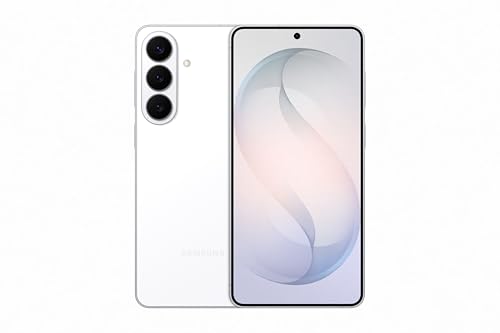
In today’s digital age, smartphones have become an essential part of our daily lives. With the advancement of technology, smartphones are equipped with high-quality cameras that rival traditional digital cameras.
Many people wonder whether their phone can be considered a digital camera. While smartphones are primarily communication devices, their camera capabilities have drastically improved over the years, allowing users to capture stunning photos and videos with ease.
Moreover, the convenience of having a camera in your pocket at all times has made smartphones the go-to choice for capturing memories and moments on the go.

Is Your Phone a Digital Camera?
With the advancements in technology, smartphones have become more than just devices for making calls and sending messages. One of the most notable features of modern smartphones is their ability to take high-quality photos, blurring the lines between phones and digital cameras.
Phone vs. Digital Camera
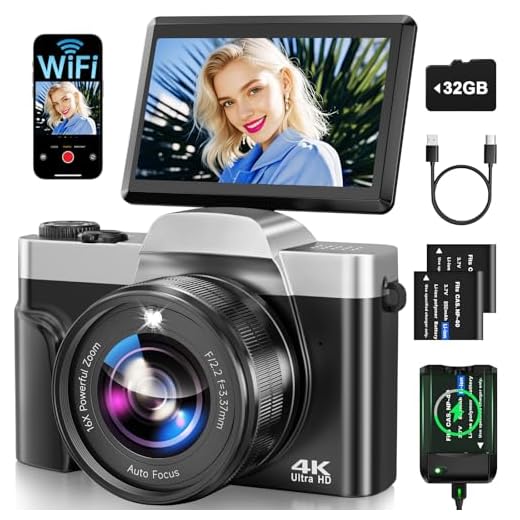
While smartphones offer convenience and portability, traditional digital cameras still have some advantages when it comes to photography. Digital cameras typically have larger sensors, better optical zoom capabilities, and dedicated settings for different types of photography, making them ideal for professionals and photography enthusiasts.
On the other hand, smartphones are more versatile and user-friendly, allowing anyone to capture moments on the go without the need to carry an additional device. The quality of smartphone cameras has improved significantly over the years, with some models rivaling the performance of entry-level digital cameras.
Conclusion
In conclusion, while smartphones can be considered digital cameras in their own right, they may not completely replace dedicated cameras for all photography needs. The choice between using a phone or a digital camera ultimately depends on the user’s preferences, skill level, and the specific requirements of the photography task at hand.
| Smartphone Camera | Digital Camera |
|---|---|
| Convenient and portable | Larger sensors and better zoom capabilities |
| User-friendly interface | Dedicated settings for various photography styles |
| Improving in quality | Professional-grade performance |
Evolution of Digital Cameras
Over the years, digital cameras have undergone significant advancements in technology and design. The evolution of digital cameras can be traced back to the early 1980s when the first digital camera was developed by Kodak engineer, Steven Sasson. This camera weighed 8 pounds and had a resolution of 0.01 megapixels.

As technology progressed, digital cameras became more compact, affordable, and user-friendly. The introduction of CMOS and CCD image sensors revolutionized digital photography, enabling higher resolution images and improved low-light performance.
With the rise of smartphones, built-in cameras have become increasingly sophisticated, blurring the lines between traditional digital cameras and mobile devices. Many modern smartphones boast advanced camera features, such as multiple lenses, optical image stabilization, and AI-powered image processing.
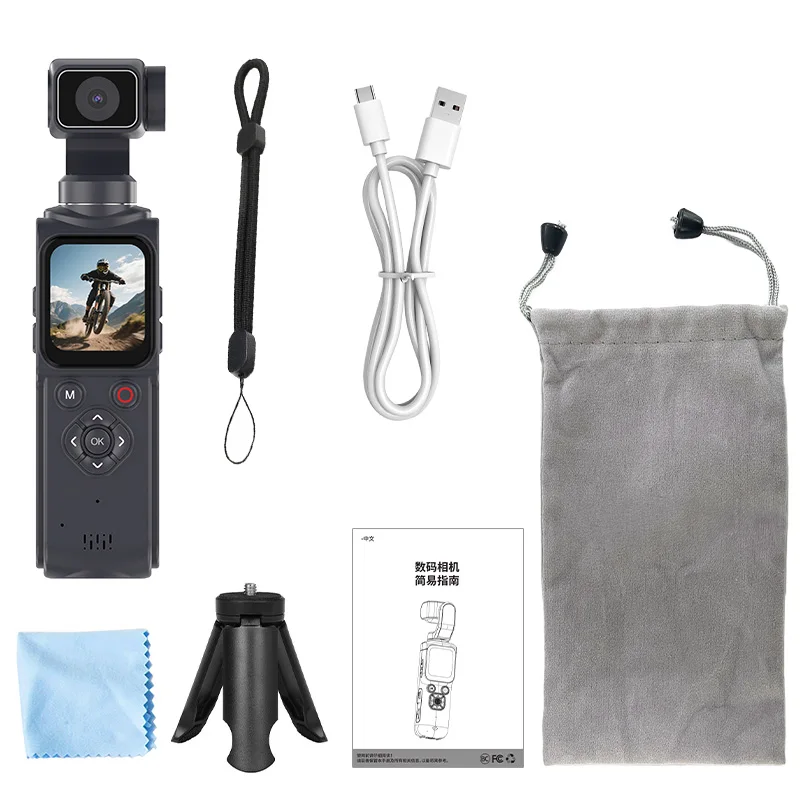
Despite the convenience of smartphone cameras, standalone digital cameras continue to evolve, offering professional photographers and enthusiasts a wide range of options, from compact point-and-shoot models to high-end DSLRs and mirrorless cameras. Features like 4K video recording, wireless connectivity, and advanced autofocus systems have become standard in many digital cameras on the market today.
| Decade | Key Advancements |
|---|---|
| 1980s | Introduction of the first digital camera by Kodak |
| 1990s | Development of CMOS and CCD image sensors |
| 2000s | Integration of advanced features like image stabilization and face detection |
| 2010s | Rise of smartphone cameras and improvement of digital camera capabilities |
| 2020s | Focus on high-resolution imaging, video capabilities, and connectivity options |
Camera Features on Smartphones
Smartphones today come equipped with advanced camera features that rival traditional digital cameras. Some of the key camera features found on smartphones include:
1. High-resolution sensors for capturing detailed images
2. Multiple lenses for different types of photography, such as wide-angle or telephoto
3. Optical image stabilization for reducing blur in photos and videos
4. AI-powered scene recognition for automatically adjusting settings based on the subject
5. Portrait mode for capturing professional-looking photos with blurred backgrounds
6. Night mode for taking clear and bright photos in low-light conditions
7. Pro mode for manual control over settings like ISO, shutter speed, and white balance
With these features and more, smartphones have become powerful tools for capturing high-quality photos and videos on the go.
Image Quality Comparison
When comparing the image quality of a phone camera to a digital camera, there are several factors to consider. While phone cameras have improved drastically over the years, digital cameras still have the upper hand in terms of image quality in many cases.
Resolution
Phone Camera: Phone cameras typically have high megapixel counts, which allow for decent resolution. However, the small sensor size can lead to noise and decreased image quality in low-light conditions.
Digital Camera: Digital cameras often have larger sensors and better optics, resulting in higher resolution images with more detail and better color accuracy.

Low-light Performance
Phone Camera: Phone cameras struggle in low-light conditions due to the small sensor size. Images can appear grainy and lack detail in low-light situations.
Digital Camera: Digital cameras perform much better in low-light conditions thanks to larger sensors and better noise reduction algorithms. They can capture sharper images with less noise in low-light settings.
Overall, while phone cameras have come a long way in terms of image quality, digital cameras still offer superior performance when it comes to resolution, color accuracy, and low-light performance.
Convenience of Smartphone Cameras
Smartphone cameras offer unparalleled convenience due to their portability and ease of use. Unlike traditional digital cameras, smartphones are compact and always within reach, allowing users to capture spontaneous moments without the need to carry around a separate device. The integration of advanced camera technology in smartphones also means that users can quickly edit and share photos and videos directly from their device, eliminating the need for additional software or equipment.
Furthermore, the constant improvements in smartphone camera quality have made them a popular choice for amateur photographers and social media enthusiasts. With features such as portrait mode, night mode, and HDR, smartphone cameras can produce high-quality images in various lighting conditions, making them versatile tools for capturing a wide range of subjects.

In addition, the convenience of smartphone cameras extends to their connectivity options, allowing users to instantly share their photos and videos with friends and family through social media platforms or messaging apps. This instant sharing capability makes smartphone cameras ideal for documenting and sharing everyday moments in real-time.
Professional Photography with Smartphones
In the modern digital age, smartphones have become powerful tools for professional photography. With advanced camera features, high-resolution sensors, and sophisticated editing apps, smartphones are capable of capturing stunning images that rival traditional cameras.
Professional photographers are increasingly turning to smartphones for their convenience, portability, and versatility. The ability to instantly share photos online and edit them on the go makes smartphones a valuable asset in the photography industry.
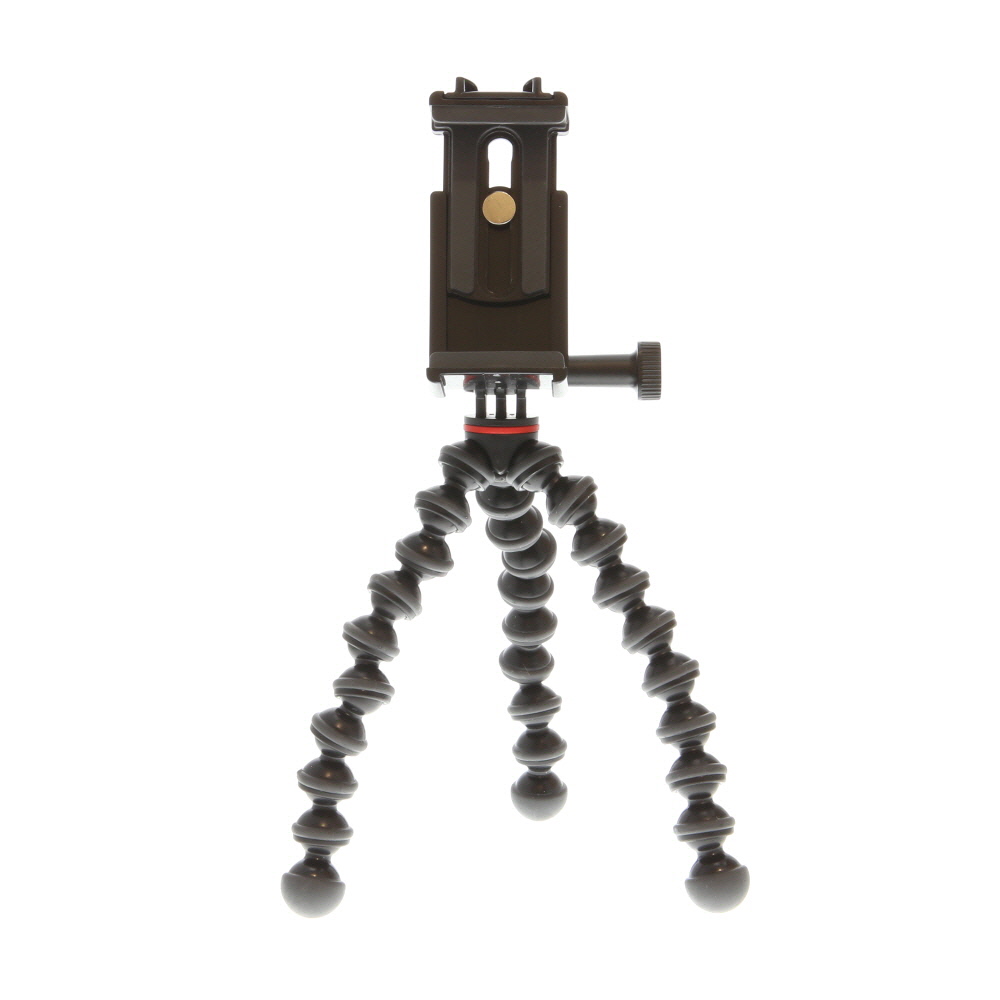
Smartphones also offer a wide range of accessories, such as external lenses, tripods, and stabilizers, that enhance their capabilities for professional photography. These tools allow photographers to experiment with different perspectives and techniques to create unique and compelling images.
While traditional cameras still have their place in professional photography, smartphones have revolutionized the way photographers work and have opened up new possibilities for creativity and innovation in the field. As technology continues to advance, smartphones are likely to play an even greater role in professional photography in the future.
Storage and Sharing Options
As a digital camera, your phone offers various storage options for your photos and videos. You can save them directly on your device’s internal storage or on a memory card if your phone supports one. Additionally, you can utilize cloud storage services like Google Drive, Dropbox, or iCloud to back up your media files and access them from any device.
When it comes to sharing your photos and videos, your phone provides a range of options. You can easily share them via messaging apps, social media platforms, email, or Bluetooth. Some phones also offer built-in sharing features that allow you to instantly upload your media to popular social networks or photo-sharing sites.
Future of Smartphone Cameras
The evolution of smartphone cameras has been remarkable, with each new generation of devices pushing the boundaries of what is possible. As technology continues to advance, we can expect even more exciting developments in the future of smartphone cameras.
AI Integration
One of the key trends in smartphone camera technology is the integration of artificial intelligence (AI). AI-powered features like scene recognition, image enhancement, and automatic adjustment settings are becoming more common, improving the overall quality of photos taken on smartphones.
Multiple Lens Systems
Smartphone manufacturers are also exploring the use of multiple lens systems to enhance the capabilities of their cameras. With wide-angle, telephoto, and macro lenses all working together seamlessly, users can capture a wider range of shots with higher quality and versatility.

FAQ
Can my phone be considered a digital camera?
Yes, modern smartphones often have advanced camera features and capabilities that rival those of dedicated digital cameras. They can capture high-quality photos and videos, offer various shooting modes and settings, and allow for editing and sharing images directly from the device.
What are the advantages of using a phone as a digital camera?
Using your phone as a digital camera offers convenience, as you always have it with you, eliminating the need to carry an additional device. Phone cameras are also constantly improving, with many models featuring multiple lenses, AI enhancements, and software updates that enhance image quality.
How does the quality of phone cameras compare to traditional digital cameras?
The quality of phone cameras has significantly improved over the years, with some flagship smartphones offering image quality that can rival some lower-end digital cameras. However, dedicated digital cameras still have advantages in terms of optical zoom, larger sensors, and manual controls, which can result in higher-quality photos in certain situations.
What features should I look for in a phone to use it as a digital camera?
When choosing a phone for its camera capabilities, look for features such as multiple lenses (wide-angle, telephoto, macro), high megapixel count, optical image stabilization, advanced image processing software, and manual controls. These features can enhance your photography experience and help you capture better photos and videos.


I’ve been wondering if I should invest in a digital camera or just stick with my smartphone. Do you think the quality of smartphone cameras will ever fully match dedicated cameras?
Great question! I think smartphones are getting really close, especially for casual photography. However, for pro-level work, dedicated cameras still have the edge in terms of features and image quality.
That's a valid point. While smartphone cameras are improving rapidly, dedicated cameras still offer advantages like larger sensors and better optics, especially in challenging lighting conditions.
I recently took a trip and only brought my smartphone for photography. I was amazed at how well it performed! The night mode was a lifesaver for capturing city lights. However, I did miss having optical zoom like I did with my old camera. Overall, it was a great experience, but I still think having a dedicated camera has its perks.
Sounds like a fun trip! I also love using my smartphone for convenience but agree that for zoom shots, a real camera is hard to beat. It’s all about what you need for your adventures.