
 Carmen J. Moore

Choosing the right lens for your digital camera is crucial to capturing stunning photos. With so many options available on the market, it can be overwhelming to know where to start. Whether you’re a beginner looking to upgrade your kit lens or a professional photographer seeking a specialized lens, understanding the key factors in selecting a digital camera lens is essential.
Focal length, aperture, and lens compatibility are three important aspects to consider when choosing a digital camera lens. The focal length determines the angle of view and magnification of the lens, while the aperture controls the amount of light that enters the camera. Additionally, ensuring compatibility between the lens and your camera body is vital to achieving optimal performance.
It’s also important to consider your photography style and needs when selecting a lens. Are you a landscape photographer who requires a wide-angle lens, or a portrait photographer in need of a fast prime lens? Understanding how different types of lenses can enhance your photography will help you make an informed decision.

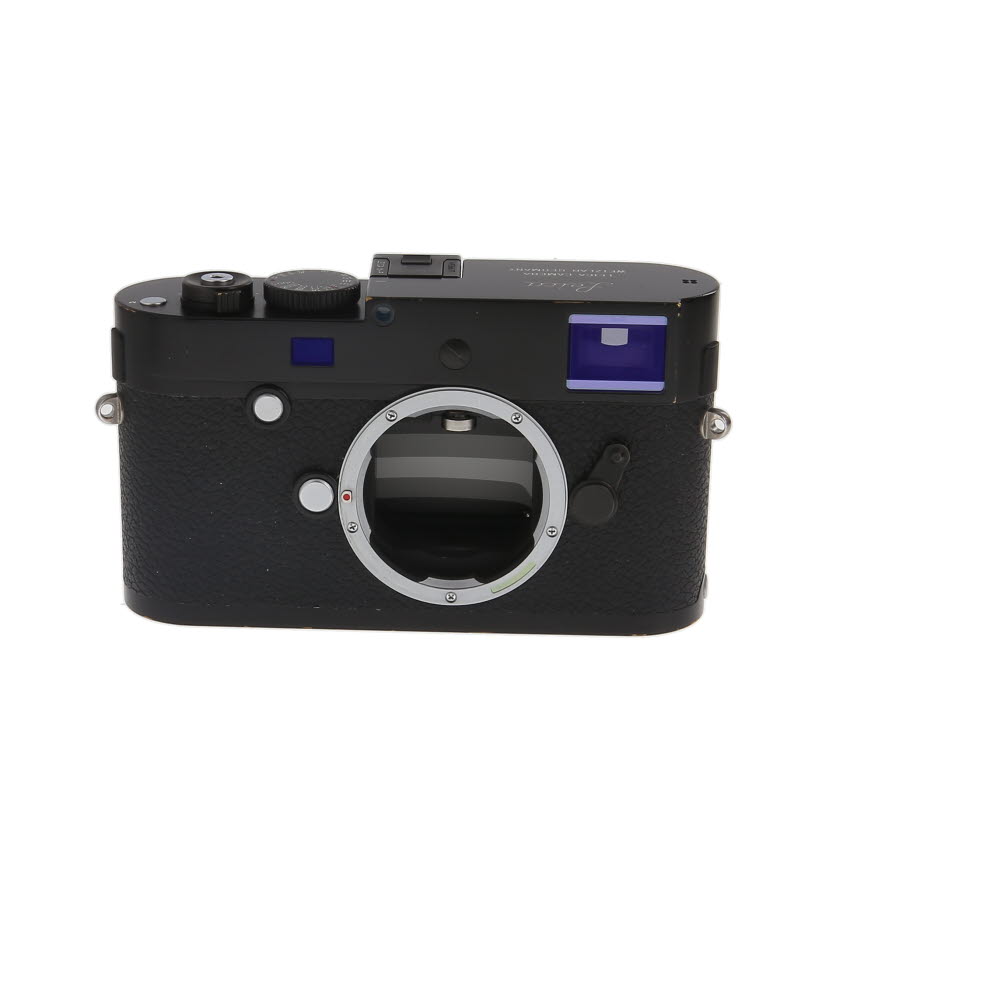


Essential Factors for Choosing a Digital Camera Lens
When selecting a digital camera lens, there are several key factors to consider to ensure you get the best results for your photography needs. Here are some essential factors to keep in mind:
- Focal Length: Determine the focal length you need based on the type of photography you plan to do. Wide-angle lenses are great for landscapes and architecture, while telephoto lenses are ideal for sports and wildlife photography.
- Aperture: The aperture of a lens affects the amount of light that enters the camera. A wider aperture (lower f-stop number) allows for better low-light performance and shallow depth of field, while a narrower aperture (higher f-stop number) provides greater depth of field for landscape and portrait photography.
- Image Stabilization: Optical image stabilization can help reduce camera shake and produce sharper images, especially in low-light conditions or when using telephoto lenses.
- Compatibility: Make sure the lens you choose is compatible with your camera’s mount. Different camera brands have specific mounts, so ensure the lens is designed for your camera model.
- Quality: Consider the build quality and reputation of the lens manufacturer. Investing in a high-quality lens can make a significant difference in the sharpness and overall image quality of your photos.
By considering these essential factors, you can select a digital camera lens that meets your specific photography needs and helps you capture stunning images. Research and test different lenses to find the perfect match for your camera and shooting style.
Understanding Lens Compatibility with Your Camera
When selecting a digital camera lens, it’s crucial to consider its compatibility with your specific camera model. Not all lenses are compatible with all cameras, so it’s important to do your research before making a purchase.
Camera Mount
One of the key factors in determining lens compatibility is the camera mount. Different camera manufacturers use different mounts, and lenses are designed to fit specific mounts. Make sure the lens you choose has a mount that matches your camera.
Focal Length and Sensor Size
Another important consideration is the focal length of the lens and the size of your camera’s sensor. Some lenses are designed for full-frame cameras, while others are meant for crop sensor cameras. Matching the focal length to your sensor size ensures optimal performance.

Evaluating Focal Length Options for Different Photography Needs
When choosing a digital camera lens, one of the key factors to consider is the focal length. Focal length determines how much of the scene your camera can capture and how large objects will appear in the final image.
Wide-angle lenses (under 35mm): Ideal for landscape photography, architecture, and group portraits. They can capture a broader field of view, making them great for capturing expansive scenes.
Standard lenses (35mm to 85mm): Versatile lenses suitable for everyday photography. They offer a natural perspective similar to what the human eye sees, making them great for portraits and street photography.
Telephoto lenses (over 85mm): Best for sports, wildlife, and close-up shots. Telephoto lenses magnify distant subjects, allowing you to capture details from far away.
Consider your photography needs and choose a focal length that aligns with the type of photography you plan to pursue.
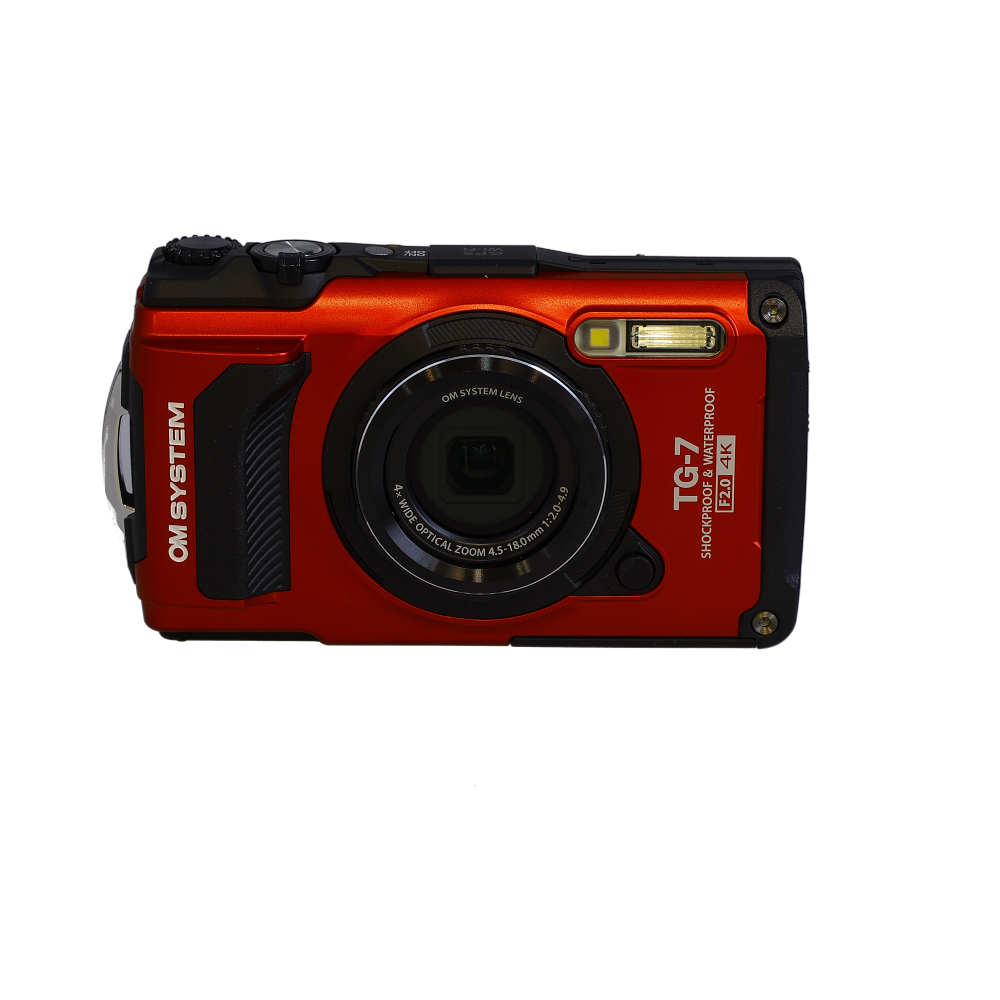
Importance of Aperture Size in Lens Selection
When choosing a digital camera lens, one of the key factors to consider is the aperture size. The aperture, measured in f-stops, controls the amount of light that enters the lens and reaches the camera sensor. Understanding the importance of aperture size can greatly impact the quality of your photos.
Low Aperture (Wide Aperture)
A lens with a low aperture (such as f/1.4 or f/2.8) allows more light to pass through, making it ideal for low-light situations or creating a shallow depth of field. This type of lens is perfect for portraits, macro photography, and capturing images with a blurred background.
High Aperture (Narrow Aperture)
On the other hand, a lens with a high aperture (such as f/11 or f/16) lets in less light, but produces sharper images with greater depth of field. These lenses are great for landscape photography, architecture, and situations where you want everything in focus.
| Aperture Size | Use |
|---|---|
| Low (Wide) | Low-light, portraits, shallow depth of field |
| High (Narrow) | Landscape, architecture, greater depth of field |
Considering Image Stabilization Features for Sharp Photos
When choosing a digital camera lens, it is important to consider the image stabilization features it offers. Image stabilization helps reduce the effects of camera shake, resulting in sharper photos, especially in low light conditions or when shooting at slower shutter speeds.
Types of Image Stabilization
There are different types of image stabilization technologies available in digital camera lenses:
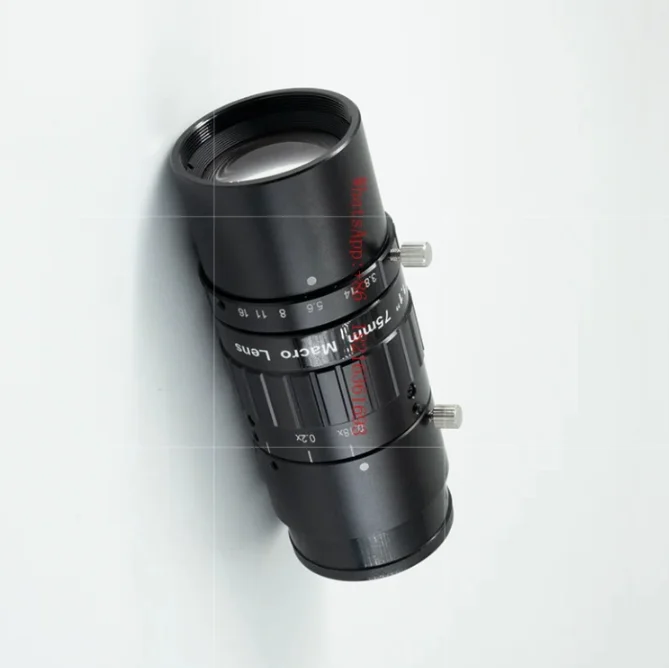
| Optical Image Stabilization (OIS) | Uses sensors to detect camera movement and adjusts the lens elements to compensate for the shake, resulting in sharper images. |
| In-body Image Stabilization (IBIS) | Stabilizes the camera sensor itself, allowing any lens attached to benefit from the stabilization technology. |
Consider the type of image stabilization that best suits your needs based on the shooting conditions and the type of photography you do. Testing out different stabilization features can help you determine which one works best for you.
Weight and Size Considerations for Portability and Comfort
When choosing a digital camera lens, it’s important to consider the weight and size of the lens for portability and comfort. A heavy and bulky lens can be cumbersome to carry around, especially for long periods of time or during travel.
Opt for a lens that strikes a balance between performance and portability. Look for lightweight options that are easy to handle and won’t weigh you down during extended shooting sessions. Consider the size of the lens as well, as smaller lenses are often more convenient to transport and store.
Additionally, think about how the weight and size of the lens will affect your overall shooting experience. A comfortable and well-balanced lens can make a significant difference in your ability to capture great shots with ease.
Budget-Friendly Lens Options for Beginners and Enthusiasts
When looking for a digital camera lens on a budget, there are several options that can provide good quality without breaking the bank. Here are some budget-friendly lens options for beginners and enthusiasts:

- Prime Lenses: Prime lenses are fixed focal length lenses that are often more affordable than zoom lenses. They can provide excellent image quality and are great for beginners looking to experiment with different focal lengths.
- Kit Lenses: Kit lenses are typically included with camera bodies and offer a versatile range of focal lengths. While they may not have the same image quality as higher-end lenses, they are a good starting point for beginners.
- Third-Party Lenses: Many third-party lens manufacturers offer more affordable alternatives to major camera brands. These lenses can provide good quality at a lower price point, making them a great option for enthusiasts on a budget.
- Used Lenses: Buying used lenses can be a cost-effective way to get high-quality glass at a lower price. Just make sure to carefully inspect the lens for any damage or issues before making a purchase.
Reviewing Lens Brands and Reputation for Quality and Performance
When choosing a digital camera lens, it’s important to consider the reputation of the brand. Some well-known lens manufacturers include Canon, Nikon, Sony, Sigma, Tamron, and Zeiss. Each brand has its own strengths and weaknesses, so it’s essential to research and compare the options available.
Factors to Consider:
1. Quality: Look for brands known for producing high-quality lenses that deliver sharp images with minimal distortion.
2. Performance: Consider the performance of the lens in different shooting conditions, such as low light or fast-moving subjects.
Reading reviews from professional photographers and other users can provide valuable insights into the quality and performance of a particular lens brand. Additionally, looking at sample images taken with the lenses can help you assess the image quality and determine if it meets your standards.
Lens Maintenance and Care Tips for Longevity and Optimal Performance
Proper maintenance of your camera lens is essential for ensuring its longevity and optimal performance. Here are some tips to help you care for your lens:

1. Keep it clean: Regularly clean your lens with a soft brush or microfiber cloth to remove dust, dirt, and smudges. Avoid using rough materials or harsh chemicals that can scratch or damage the lens.
2. Store it properly: When not in use, store your lens in a clean, dry place away from extreme temperatures and humidity. Use a protective case or pouch to prevent scratches and dust buildup.
3. Avoid direct sunlight: Direct sunlight can damage the lens coating and affect the quality of your photos. When shooting outdoors, use a lens hood or shade to protect the lens from direct sunlight.
4. Handle with care: When attaching or removing the lens from your camera, hold it carefully and avoid touching the glass elements. Avoid dropping or bumping the lens, as it can cause internal damage.
5. Get regular check-ups: Have your lens professionally cleaned and serviced by a camera technician at least once a year to ensure it is in optimal condition. This will help prevent potential issues and maintain the lens’s performance.

By following these maintenance and care tips, you can extend the life of your camera lens and enjoy high-quality photos for years to come.
Seeking Expert Advice and Recommendations for the Best Lens Choice
When choosing a digital camera lens, seeking expert advice can be incredibly beneficial. Photographers with experience and knowledge can provide valuable insights that may help you make the best decision for your specific needs.
Professional Photographers
Professional photographers often have a deep understanding of different lenses and can offer recommendations based on your photography goals. They can suggest lenses that are versatile, offer excellent image quality, and are suitable for various shooting scenarios.
Camera Store Staff
Visiting a camera store and talking to knowledgeable staff members can also be helpful. They can provide hands-on demonstrations, explain technical specifications, and recommend lenses that are compatible with your camera model. Their expertise can guide you towards making an informed choice.
FAQ
What factors should I consider when choosing a digital camera lens?
When choosing a digital camera lens, you should consider factors such as the type of photography you’ll be doing (e.g., portrait, landscape, macro), the compatibility of the lens with your camera body, the focal length (wide-angle, standard, telephoto), aperture (fast or slow), image stabilization, and the quality of the lens construction. Each of these factors will impact the performance and versatility of the lens for your specific photography needs.

How do I know which digital camera lens is best for shooting portraits?
For shooting portraits, it’s recommended to choose a lens with a focal length between 50mm and 85mm, as these focal lengths are ideal for capturing flattering portraits with a natural perspective. A lens with a wide aperture (e.g., f/1.8 or f/1.4) will also help you achieve a shallow depth of field and beautiful bokeh in your portrait shots. Additionally, consider lenses with image stabilization to reduce the risk of blurry images, especially in low-light conditions.


I disagree with the emphasis on weight and size. While portability is nice, I think the quality of the lens is far more important, especially for serious photographers. A heavier lens can often provide better image quality and features that lighter ones lack.
I see your point, but I think it also depends on the type of photography. If you're hiking or traveling, a lightweight option might be worth sacrificing some quality.
I'm looking into wide-angle vs. telephoto lenses for landscape photography. Can you help me understand the differences in capturing scenes? What should I consider?
Thanks for the article! You mentioned compatibility between lenses and camera bodies. Can you explain what happens if I use an incompatible lens?
Using an incompatible lens can lead to issues like the lens not mounting properly or not functioning at all. In some cases, you might get error messages on your camera. Always check that the lens is designed for your specific camera model.
I recently bought a 50mm f/1.8 lens, and it's a game changer for portrait photography! The shallow depth of field is amazing.
I'm a beginner and confused about how to choose my first lens. Should I go for a prime lens or a zoom lens? What are the main differences in terms of usability?