
 Carmen J. Moore

Capturing the beauty of shooting stars can be a rewarding experience for any photographer. The night sky offers a canvas filled with twinkling stars and the occasional streak of light from a passing meteor. With the right techniques and equipment, you can capture stunning images of shooting stars with your digital camera.

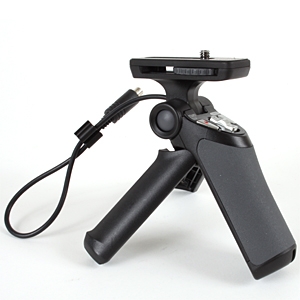
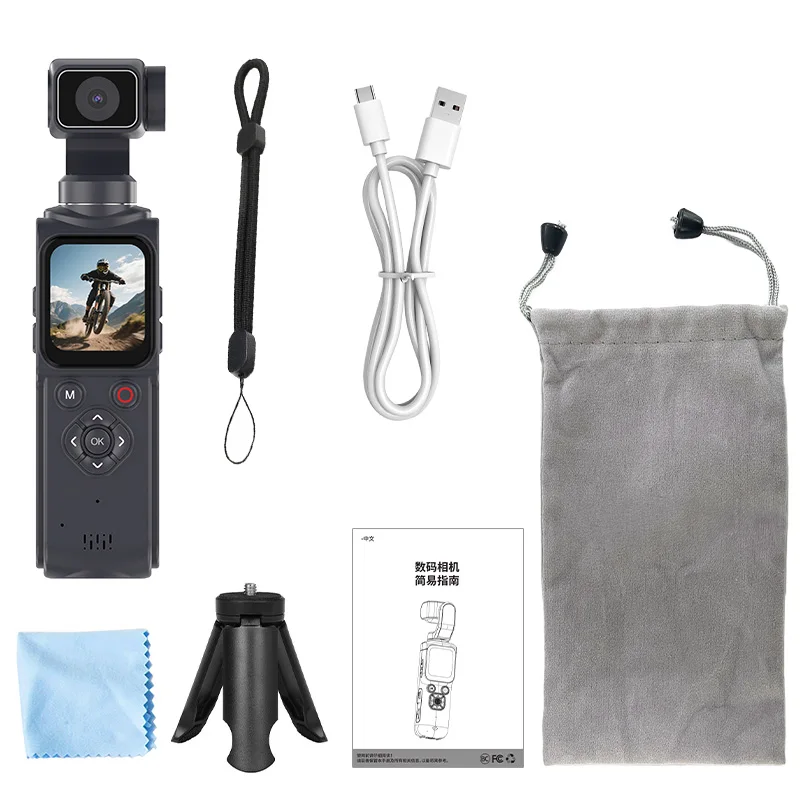

Here are some tips to help you get started on photographing shooting stars:
1. Find a dark location: Shooting stars are best seen in areas with minimal light pollution. Look for a location away from city lights where the night sky is clear and dark.
2. Use a sturdy tripod: To capture the faint light of shooting stars, you’ll need a long exposure time. A sturdy tripod will help keep your camera steady during the exposure.
Choosing the right location
When photographing shooting stars, it is important to choose a location with minimal light pollution. Light pollution from cities and towns can greatly affect the visibility of shooting stars in the night sky. Look for a dark sky location away from urban areas to capture clearer images of shooting stars.
Additionally, consider the surrounding landscape when choosing a location. A scenic backdrop can add interest and depth to your shooting star photos. Look for open spaces with interesting features such as mountains, lakes, or trees to enhance the composition of your images.

Preparing your digital camera
Before heading out to capture shooting stars with your digital camera, it’s important to make sure your equipment is ready for the task. Here are some steps to prepare your camera:
- Charge your camera’s battery fully to ensure it lasts throughout the night.
- Bring extra memory cards to store all the photos you’ll be taking.
- Clean the lens of your camera to avoid any unwanted spots or blurs in your images.
- Set your camera to manual mode to have full control over settings like exposure and focus.
- Adjust the ISO settings to a high value to capture the faint light of shooting stars.
By following these steps, you’ll be well-prepared to photograph shooting stars with your digital camera.
Understanding camera settings
When photographing shooting stars with a digital camera, it’s important to understand the camera settings that will help you capture the perfect shot. Here are some key settings to consider:
1. Shutter speed: Use a long exposure time to capture the movement of the shooting stars across the sky. Experiment with different shutter speeds to find the right balance between capturing the stars and avoiding too much motion blur.
2. Aperture: Use a wide aperture (low f-stop number) to let in as much light as possible and capture the faint light of the shooting stars. This will also help create a shallow depth of field, making the stars stand out against the night sky.
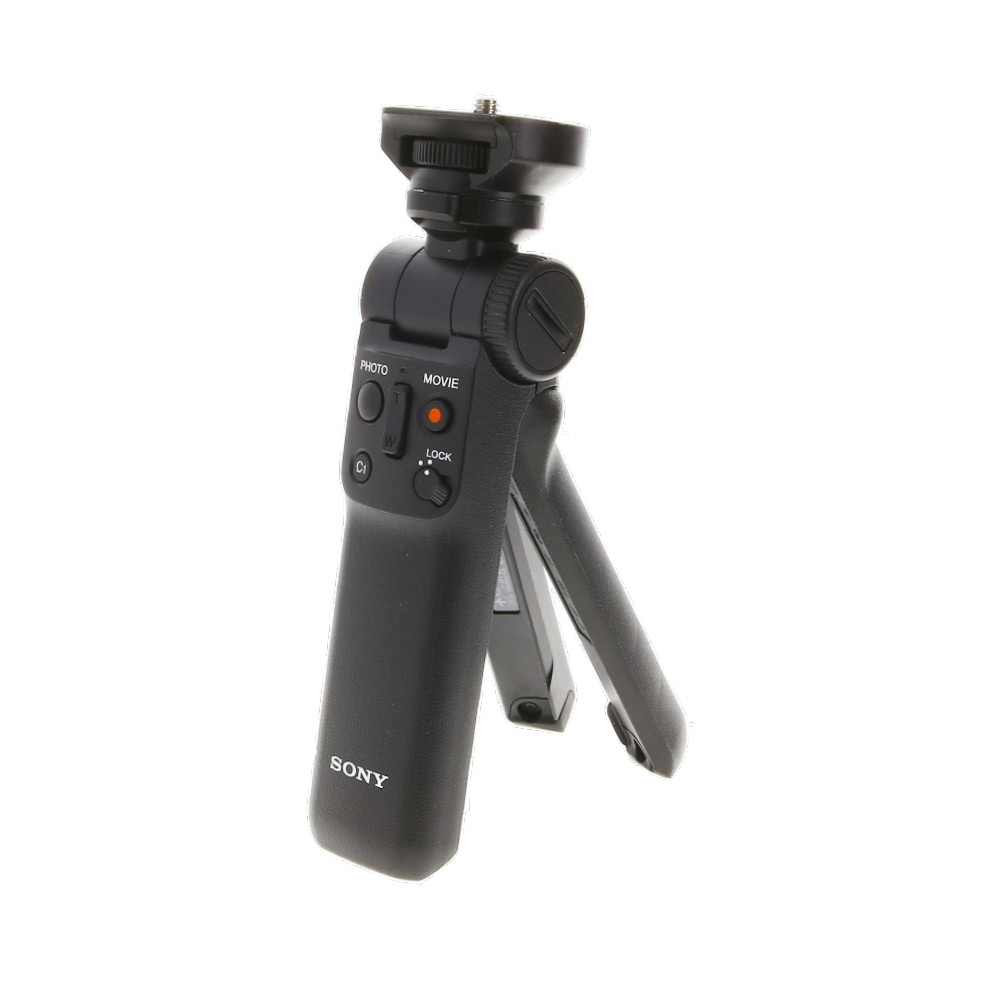
3. ISO: Increase the ISO to a higher value to make the camera more sensitive to light and capture the faint light of the shooting stars. However, be careful not to increase it too much, as this can introduce noise into your images.
4. Manual focus: Set your camera to manual focus mode and focus on infinity to ensure that the stars are sharp and clear in your images. You can also use the live view mode to zoom in on a bright star and fine-tune the focus manually.
By understanding and adjusting these camera settings, you’ll be able to capture stunning photos of shooting stars with your digital camera.
Selecting the best shooting stars photography gear
When it comes to capturing shooting stars with your digital camera, having the right gear can make all the difference. Here are some essential items you’ll need:
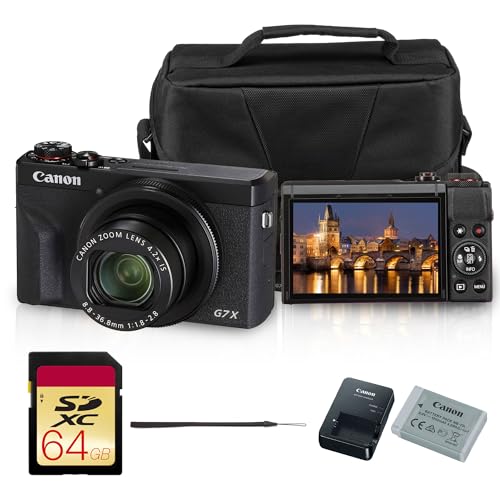
| 1. Camera: | Choose a digital camera with manual settings and good low-light performance. DSLR or mirrorless cameras are ideal for shooting stars. |
| 2. Lens: | Use a wide-angle lens with a fast aperture (f/2.8 or lower) to capture more of the night sky and allow more light to enter the camera. |
| 3. Tripod: | A sturdy tripod is essential for shooting long exposures without camera shake. Make sure it can support the weight of your camera and lens. |
| 4. Remote shutter release: | To prevent camera shake during long exposures, use a remote shutter release or set a timer on your camera. |
| 5. Extra batteries and memory cards: | Shooting stars can take time, so make sure you have plenty of battery power and storage space for your photos. |
| 6. Flashlight: | A small flashlight will help you navigate in the dark and adjust camera settings without disturbing your night vision. |
Setting up your tripod for shooting stars
When photographing shooting stars, it is crucial to have a stable base for your camera to capture clear and sharp images. Here are some tips for setting up your tripod:
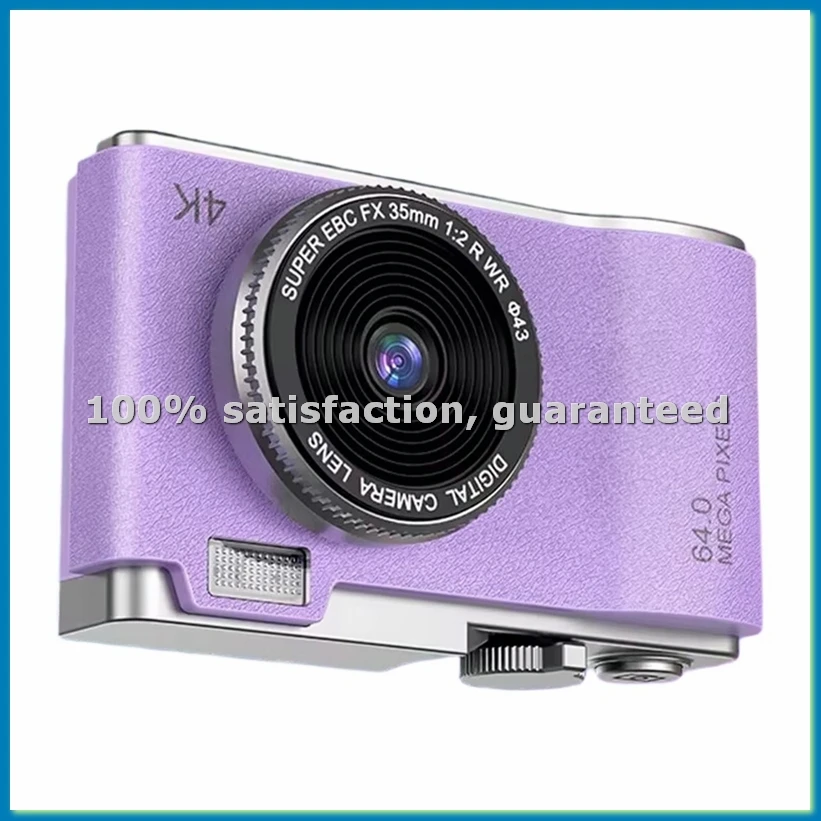
1. Choose a sturdy tripod
Ensure that your tripod is sturdy and can support the weight of your camera and lens. A solid tripod will prevent any camera shake during long exposure shots.
2. Extend the legs and adjust the height
Extend the tripod legs to your desired height and make sure the tripod is level on the ground. Adjust the height so that you can comfortably see through the viewfinder or LCD screen of your camera.
- Check the stability of the tripod by gently pushing on it to see if it wobbles.
- Consider using a sandbag or weight hanging from the center column for added stability in windy conditions.
By setting up your tripod properly, you’ll be ready to capture stunning photos of shooting stars with your digital camera.
Capturing the perfect shot of shooting stars
Shooting stars, or meteors, can make for stunning photographs if captured correctly. Here are some tips to help you capture the perfect shot of shooting stars with your digital camera:
Choose the right location
Find a location away from light pollution where you can see the night sky clearly. This will help you capture the shooting stars against a dark backdrop, making them stand out in your photographs.

Use a tripod
Stability is key when capturing shooting stars, so make sure to use a tripod to keep your camera steady during long exposures. This will help prevent blurry images and ensure crisp, clear shots of the shooting stars.
| Settings | Recommended values |
| Exposure time | 15-30 seconds |
| Aperture | Wide open (lowest f-stop) |
| ISO | 800-1600 |
By following these tips and adjusting your camera settings accordingly, you can capture stunning shots of shooting stars that will leave you in awe of the beauty of the night sky.
Editing shooting stars photos in post-production
Once you have captured your stunning shooting stars photos, it’s time to enhance them in post-production to make them even more breathtaking. Here are some tips to help you edit your photos effectively:
1. Adjust brightness and contrast
Adjusting the brightness and contrast can help bring out the details in your shooting stars photos. Increase the contrast to make the stars stand out against the dark sky, and adjust the brightness to ensure the stars are clearly visible.
2. Remove noise
Noise reduction is crucial when editing night sky photos, as shooting stars photos can often be affected by noise. Use noise reduction tools in your editing software to reduce graininess and make your stars appear sharper and clearer.
By following these editing tips, you can take your shooting stars photos to the next level and create stunning images that will leave viewers in awe.
Sharing your stunning shooting stars images
Once you have captured some amazing photos of shooting stars with your digital camera, it’s time to share them with the world! Here are a few ways you can showcase your stunning images:
1. Social Media: Share your shooting stars photos on popular social media platforms like Instagram, Facebook, and Twitter. Use relevant hashtags to reach a wider audience and engage with other photography enthusiasts.
2. Photography Forums: Join online photography forums or communities where you can share your images, receive feedback, and connect with fellow photographers who share your passion for astrophotography.
3. Your Own Website: Consider creating a personal website or blog to showcase your shooting stars photos. This way, you can curate your own gallery and share your photography journey with a larger audience.

4. Prints and Merchandise: If you’re proud of your shooting stars images, you can consider printing them as high-quality prints or merchandise like calendars, mugs, or phone cases. This not only allows you to showcase your work but also potentially earn some income from your photography.
Remember, the key is to share your images with confidence and enthusiasm, as each shooting star photo captures a unique and mesmerizing moment in time.
FAQ
What equipment do I need to photograph shooting stars with a digital camera?
To photograph shooting stars with a digital camera, you will need a camera with manual settings, a sturdy tripod, a wide-angle lens with a large aperture, and a remote shutter release to minimize camera shake.
How do I set up my camera to capture shooting stars?
To capture shooting stars, set your camera to manual mode, use a wide aperture (f/2.8 or lower), set the ISO to a high value (e.g., 1600 or above), and choose a long exposure time (usually around 15-30 seconds).
Where is the best location to photograph shooting stars?
The best location to photograph shooting stars is far away from city lights and light pollution. Look for dark skies with minimal light interference to capture the beauty of the night sky.

What is the best time to photograph shooting stars?
The best time to photograph shooting stars is during a meteor shower, when the sky is filled with shooting stars. Research the dates of meteor showers and plan your photography session accordingly.
How can I enhance my shooting star photos in post-processing?
In post-processing, you can enhance your shooting star photos by adjusting the exposure, contrast, and white balance. You can also stack multiple images to create a star trail effect or use software to remove noise and sharpen the stars.



What camera settings do you recommend for a beginner trying to capture shooting stars? I’m not very familiar with manual mode yet.