
 Carmen J. Moore

Lightning is a powerful force of nature that can be both awe-inspiring and dangerous. Capturing an image of lightning at night can be a challenging but rewarding experience for photographers. With the right equipment and techniques, you can create stunning photographs that showcase the beauty and power of lightning.
Timing: One of the key factors in capturing a great lightning photo is timing. Lightning strikes can be fast and unpredictable, so you’ll need to be patient and ready to react quickly. Keep your camera set to a long exposure mode to increase your chances of capturing a strike.
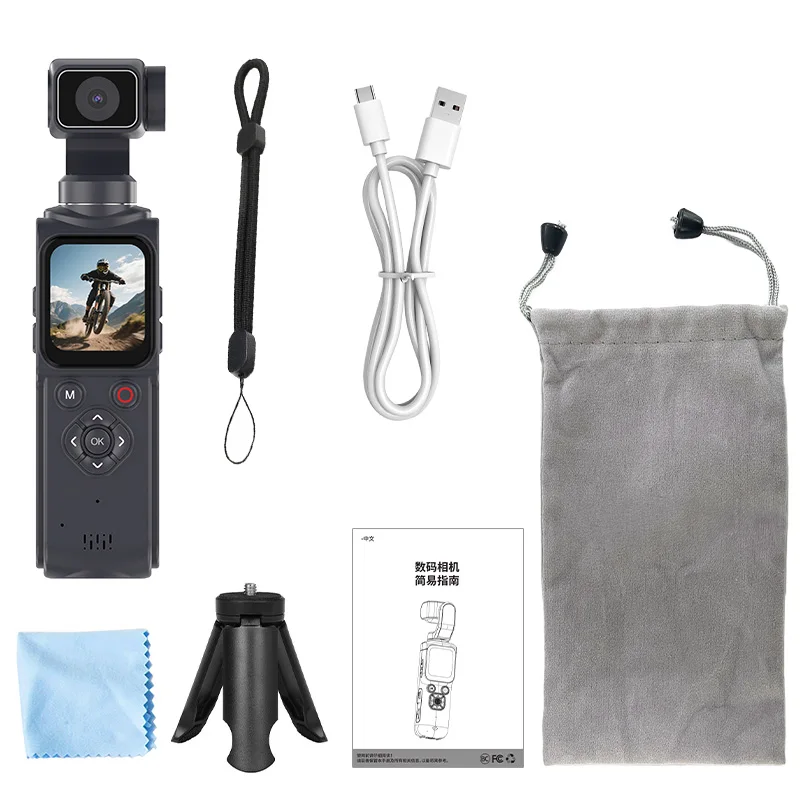
Equipment: To photograph lightning at night, you’ll need a digital camera with manual settings, a sturdy tripod to keep your camera steady, and a remote shutter release to minimize camera shake. A wide-angle lens can help you capture more of the sky and increase your chances of catching a lightning strike in the frame.



Capturing Lightning: A Guide
Photographing lightning can be a thrilling experience, but it requires patience and the right technique. Here are some tips to help you capture stunning lightning shots at night with your digital camera:
1. Find a good vantage point: Choose a location with a clear view of the sky and minimal light pollution.
2. Use a tripod: To prevent camera shake during long exposures, use a sturdy tripod to keep your camera steady.
3. Set your camera to manual mode: Adjust the settings to a low ISO (around 100-400), a small aperture (f/8 or higher), and a long exposure time (10-30 seconds).
4. Focus manually: Turn off autofocus and manually focus your lens to infinity to ensure sharp images of the lightning.

5. Be patient and ready: Lightning can be unpredictable, so be prepared to wait for the right moment to capture the perfect shot.
6. Experiment with different settings: Try different exposure times and apertures to find the best combination for capturing lightning in the dark.
7. Stay safe: When photographing lightning, always prioritize your safety and avoid standing in open areas during storms.
By following these tips and techniques, you can improve your chances of capturing striking images of lightning at night with your digital camera. Enjoy the thrill of photographing nature’s power!
Understanding the Basics
Before attempting to photograph lightning at night with a digital camera, it is important to understand some basic concepts and techniques. Here are a few key points to keep in mind:
| Camera Settings: | Set your camera to manual mode to have full control over the exposure settings. Use a low ISO setting to reduce noise, and set a wide aperture to allow more light into the sensor. |
| Shutter Speed: | Use a slow shutter speed (usually around 10-30 seconds) to capture the lightning bolts. Experiment with different shutter speeds to find the best results. |
| Focus: | Set your focus to manual and pre-focus on a distant object to ensure sharp images. Avoid using autofocus as it may struggle in low light conditions. |
| Tripod: | Use a sturdy tripod to keep your camera steady during long exposures. This will help prevent camera shake and ensure sharp images. |
| Patience: | Photographing lightning requires patience and practice. Be prepared to spend time waiting for the right moment and be ready to adjust your settings as needed. |
Choosing the Right Equipment
When photographing lightning at night with a digital camera, it is important to have the right equipment to capture clear and stunning shots. Here are some key considerations:
| Camera: | Choose a digital camera with manual controls that allow you to adjust settings such as exposure, aperture, and ISO. A camera with a bulb mode is ideal for capturing long exposures. |
| Lens: | Use a wide-angle lens to capture a larger area of the sky and increase your chances of capturing lightning strikes. A lens with a wide aperture (e.g., f/2.8) is also beneficial for low-light conditions. |
| Tripod: | Invest in a sturdy tripod to keep your camera steady during long exposures. This will help prevent camera shake and ensure sharp images. |
| Remote Shutter Release: | Consider using a remote shutter release or self-timer to minimize camera shake when taking photos. This will help you capture clear and crisp images of lightning. |
| Weather Protection: | Protect your gear from rain and moisture by using a weather-sealed camera and lens or using a protective cover. This will ensure that your equipment remains safe and functional during stormy conditions. |
Setting Up Your Camera
Before you head out to photograph lightning at night, make sure to set up your camera properly to capture the best shots. Here are some key settings to adjust:
1. Manual Mode: Switch your camera to manual mode so you have full control over the settings.
2. Shutter Speed: Set your shutter speed to a long exposure (usually between 5-30 seconds) to capture the lightning strikes.
3. Aperture: Choose a small aperture (high f-stop number) to ensure a greater depth of field.

4. ISO: Keep your ISO low to reduce noise in the final images.
5. Tripod: Use a sturdy tripod to keep your camera stable during the long exposures.
6. Remote Shutter Release: If you have one, use a remote shutter release to minimize camera shake.
Finding the Perfect Location
When it comes to capturing amazing lightning photos at night, one of the most important factors is finding the perfect location. Here are some key tips to help you choose the best spot:
1. Scout for High Ground
Look for a location that offers a high vantage point, such as a hill or a rooftop, to maximize your chances of capturing lightning strikes in the distance.

2. Avoid Light Pollution
Light pollution can affect the quality of your photos, so try to find a spot away from city lights and other sources of light pollution. This will help your camera capture the lightning more clearly against a dark sky.
| Location Tip: | Consider heading to a rural area or a remote location for the best chances of capturing stunning lightning shots. |
Capturing the Strike
When photographing lightning at night, timing is everything. As soon as you see a bolt of lightning, press the shutter button to capture the strike. Make sure your camera is set to a long exposure to capture the entire duration of the lightning bolt. Keep your camera steady on a tripod to avoid blurry images.
Experiment with different exposure settings to get the best results. A longer exposure time will create a dramatic effect, while a shorter exposure time can capture individual branches of lightning. Be patient and keep trying until you get the perfect shot.
Post-Processing Tips
After capturing lightning shots at night with your digital camera, the post-processing stage is crucial to enhance the final result. Here are some tips:
1. Use photo editing software like Adobe Lightroom or Photoshop to adjust exposure, contrast, and color balance to bring out the details in your lightning photos.
2. Consider cropping your image to improve composition and remove any distracting elements.
3. Experiment with different filters and effects to add mood and drama to your lightning shots.
4. Don’t overdo it with editing – aim for a natural look that enhances the beauty of the lightning strike.
5. Save your edited photos in a high-resolution format to preserve image quality for printing or sharing online.
FAQ
What equipment do I need to photograph lightning at night with a digital camera?
To photograph lightning at night with a digital camera, you will need a camera with manual settings, a sturdy tripod, a remote shutter release, and a wide-angle lens. Additionally, it is recommended to have a rain cover for your camera to protect it from the elements during the shoot.

What camera settings should I use to capture lightning at night?
To capture lightning at night, set your camera to manual mode and use a low ISO (around 100-400), a small aperture (around f/8-f/16), and a long exposure time (15-30 seconds). Keep your camera on a sturdy tripod and use a remote shutter release to minimize camera shake.
How can I ensure sharp and clear lightning photos at night?
To ensure sharp and clear lightning photos at night, focus your camera on a point in the distance where you anticipate the lightning to strike. Use manual focus to set the focus to infinity, and keep your camera stable on a tripod. Experiment with different exposure times and settings to capture the lightning in the best possible way.


I tried capturing lightning last summer and it was a mix of excitement and frustration! I used a Canon camera with a 10-second exposure, and I did manage to get a few decent shots. Just be ready to wait for hours. It's all about patience! I also found that being on a hill really helped with the angles.
Thanks for sharing your experience! Choosing a good location, like a hill, can definitely improve your chances of capturing lightning. If you ever try again, experimenting with different exposure durations might give you even more varied results.
Does anyone have tips on how to keep the camera dry during a storm? It sounds risky to shoot in rain, but I don't want to miss out on good lightning shots!