
 Carmen J. Moore

Photography enthusiasts know the importance of keeping their digital SLR camera sensors clean to ensure high-quality images. Over time, dust, dirt, and other particles can accumulate on the sensor, leading to spots and specks on your photos. Cleaning the sensor may seem like a daunting task, but with the right tools and techniques, it can be done effectively and safely.
In this guide, we will walk you through the step-by-step process of cleaning your digital SLR camera sensor, helping you maintain the performance and clarity of your camera. Whether you’re a beginner or a seasoned photographer, following these instructions will help you keep your sensor in top condition.
Step-by-Step Guide to Cleaning Your DSLR Camera Sensor
Keeping your DSLR camera sensor clean is essential for capturing high-quality photos. Follow these steps to safely and effectively clean your sensor:
| Step 1: | Turn off your camera and remove the lens. |
| Step 2: | Use a blower to remove any loose dust particles from the sensor. |
| Step 3: | Use a sensor cleaning swab and sensor cleaning solution to gently wipe the sensor surface. |
| Step 4: | Check the sensor for any remaining spots and repeat the cleaning process if necessary. |
| Step 5: | Once the sensor is clean, remount the lens and turn on the camera to check for any visible dust or spots. |
By following these steps regularly, you can ensure that your DSLR camera sensor remains clean and free of debris, resulting in sharper and clearer images.


Understanding the Importance of Sensor Cleaning
Keeping your digital SLR camera sensor clean is crucial for maintaining the quality of your photos. A dirty sensor can lead to spots, smudges, and other imperfections in your images, which can be difficult to remove in post-processing.
Regular sensor cleaning not only improves the overall image quality but also helps prolong the lifespan of your camera. Dust and debris that accumulate on the sensor can cause damage over time if left unchecked.
Benefits of Clean Sensor:
1. Improved Image Quality: A clean sensor ensures that your photos are free from unwanted spots and smudges, resulting in sharper and more vibrant images.
2. Extended Camera Lifespan: By maintaining a clean sensor, you can prevent potential damage to your camera, ultimately prolonging its lifespan and saving you money on repairs.
Regular sensor cleaning should be an essential part of your camera maintenance routine to ensure optimal performance and image quality.

Necessary Tools for Cleaning Your DSLR Camera Sensor
When it comes to cleaning your DSLR camera sensor, having the right tools is essential to ensure a safe and effective cleaning process. Here are some of the necessary tools you will need:
1. Sensor Cleaning Swabs
Sensor cleaning swabs are specially designed to clean camera sensors without causing any damage. Make sure to choose the correct size swab for your camera sensor.
2. Sensor Cleaning Solution
A sensor cleaning solution is used in combination with sensor cleaning swabs to remove stubborn dirt and dust particles from the sensor surface. It is important to use a high-quality cleaning solution to avoid leaving residue on the sensor.
Precautions to Take Before Cleaning Your DSLR Camera Sensor
Before attempting to clean your DSLR camera sensor, it is important to take some precautions to avoid damaging the sensitive components. Here are some important steps to follow:
1. Power Off Your Camera
Make sure your camera is turned off before you start cleaning the sensor. This will prevent any accidental damage or interference with the camera’s internal mechanisms.

2. Remove the Lens Carefully
Take off the lens gently and place the camera in a clean, dust-free environment to prevent any debris from entering the sensor area. Be cautious when handling the lens to avoid any scratches or damage.
Note: It is recommended to clean the lens separately before cleaning the sensor to prevent any dust or dirt from transferring.
By following these precautions, you can ensure a safe and effective cleaning process for your DSLR camera sensor.
How to Identify Dust and Dirt on Your DSLR Camera Sensor
One of the most common issues that DSLR camera users face is the presence of dust and dirt on the camera sensor. This can result in noticeable spots or smudges on your photos, which can be frustrating. Here are some ways to identify if your camera sensor has dust or dirt:
1. Visual Inspection
One way to check for dust and dirt on your camera sensor is to take a test photo of a bright, evenly lit surface, such as a white wall or a clear blue sky. Then, zoom in on the image on your camera’s LCD screen or transfer it to your computer and inspect it closely. Look for dark spots, smudges, or other anomalies that may indicate the presence of dust or dirt on the sensor.
2. Use a Sensor Loupe
Another method to inspect your camera sensor for dust and dirt is to use a sensor loupe or a magnifying tool specifically designed for this purpose. These tools allow you to examine the sensor more closely and identify any particles that may be affecting your images. Be sure to follow the manufacturer’s instructions for using the sensor loupe to avoid damaging your camera sensor.
Techniques for Cleaning Your DSLR Camera Sensor Safely
Keeping your DSLR camera sensor clean is essential for capturing high-quality images. However, cleaning the sensor can be intimidating for many photographers. Here are some techniques to safely clean your DSLR camera sensor:
1. Use a Blower
Start by using a blower to remove any loose dust or debris from the sensor. Make sure to hold the camera with the lens mount facing downwards to prevent any particles from falling back onto the sensor.
2. Wet Cleaning
If the blower doesn’t remove all the dirt, you may need to use a wet cleaning method. Use a sensor cleaning swab and a cleaning solution specifically designed for camera sensors. Gently swipe the swab across the sensor in one direction to avoid spreading the dirt.
- Be careful not to apply too much pressure to avoid damaging the sensor.
- Ensure that the cleaning swab is the right size for your sensor to prevent any excess solution from seeping into the camera.
By following these techniques, you can safely clean your DSLR camera sensor and maintain optimal image quality.

Tips for Maintaining Your DSLR Camera Sensor Cleanliness
Keeping your DSLR camera sensor clean is essential for capturing high-quality photos. Here are some tips to help you maintain the cleanliness of your camera sensor:
1. Use a Blower
One of the simplest and safest ways to remove dust particles from your camera sensor is by using a blower. Gently blow air onto the sensor to dislodge any dust or debris.
2. Avoid Changing Lenses in Dusty Environments
To prevent dust from entering your camera sensor, avoid changing lenses in dusty environments. Find a clean, sheltered area to swap lenses if necessary.
By following these tips, you can keep your DSLR camera sensor clean and ensure that your photos remain free from unwanted artifacts.
Common Mistakes to Avoid When Cleaning Your DSLR Camera Sensor
When cleaning your DSLR camera sensor, it’s important to be careful and avoid common mistakes that could potentially damage your sensor or camera. Here are some common mistakes to avoid:

1. Using the Wrong Tools
One of the biggest mistakes people make when cleaning their camera sensor is using the wrong tools. It’s important to use tools that are specifically designed for sensor cleaning, such as a sensor cleaning swab or sensor cleaning kit. Using the wrong tools can scratch or damage your sensor, leading to costly repairs.
2. Cleaning Too Aggressively
Another common mistake is cleaning the sensor too aggressively. It’s important to be gentle and take your time when cleaning your sensor. Avoid applying too much pressure or using excessive force, as this can damage the delicate sensor surface. Take your time and follow the manufacturer’s instructions carefully.
Professional Sensor Cleaning Services vs. DIY Cleaning
When it comes to cleaning your digital SLR camera sensor, you have two main options: professional cleaning services or DIY cleaning. Here are some factors to consider when deciding between the two:
- Professional Sensor Cleaning Services:
- Pros:
- Expertise: Professional cleaning services have the experience and tools needed to safely and effectively clean your sensor.
- Convenience: You can save time and effort by letting professionals handle the cleaning process.
- Peace of Mind: Knowing that your sensor is being cleaned by professionals can give you peace of mind.
- Cons:
- Cost: Professional cleaning services can be more expensive than DIY cleaning methods.
- Wait Time: You may have to wait for an appointment or shipment to get your sensor cleaned.
- DIY Cleaning:
- Pros:
- Cost-Effective: DIY cleaning methods are usually more budget-friendly than professional services.
- Immediate Action: You can clean your sensor whenever you need to without waiting for an appointment.
- Cons:
- Risk: DIY cleaning carries the risk of damaging your sensor if not done properly.
- Time-Consuming: Cleaning your sensor yourself can be time-consuming and requires attention to detail.
Ultimately, the choice between professional sensor cleaning services and DIY cleaning depends on your budget, time availability, and comfort level with cleaning delicate camera equipment.
Troubleshooting Sensor Cleaning Issues on Your DSLR Camera
If you are experiencing difficulties while cleaning the sensor of your DSLR camera, there are several common issues that you may encounter. Here are some troubleshooting tips to help you address these problems:

| Issue | Solution |
| Fingerprints or smudges on the sensor | Clean the sensor with a sensor cleaning kit using the recommended method for your camera model. |
| Dust spots or particles on the sensor | Use a blower to gently remove any loose particles before cleaning the sensor with a cleaning solution. |
| Streaks or residue left after cleaning | Ensure that you are using a clean and lint-free cloth or swab to clean the sensor, and avoid applying too much pressure. |
| Difficulty accessing the sensor | Refer to your camera’s manual for instructions on how to safely access the sensor for cleaning, or consider taking your camera to a professional service center. |
By following these troubleshooting tips, you can effectively clean the sensor of your DSLR camera and maintain optimal image quality.
FAQ
What is the best way to clean a digital SLR camera sensor?
The best way to clean a digital SLR camera sensor is to use a sensor cleaning kit specifically designed for DSLR sensors. Follow the manufacturer’s instructions carefully to avoid damaging the sensor. It’s important to work in a clean and dust-free environment to prevent further contamination.
Can I clean my camera sensor at home or should I take it to a professional?
You can clean your camera sensor at home if you have the right tools and are comfortable doing so. However, if you’re unsure or don’t have experience, it’s best to take your camera to a professional to avoid causing any damage to the sensor. Professional cleaning services can ensure a thorough and safe cleaning process.
What are the signs that my digital SLR camera sensor needs cleaning?
Signs that your digital SLR camera sensor needs cleaning include visible dust spots in your photos, especially when shooting at small apertures like f/16 or higher. You may also notice smudges or streaks on your images that are not caused by the lens. If you see these signs, it’s time to clean your camera sensor to maintain the quality of your photos.



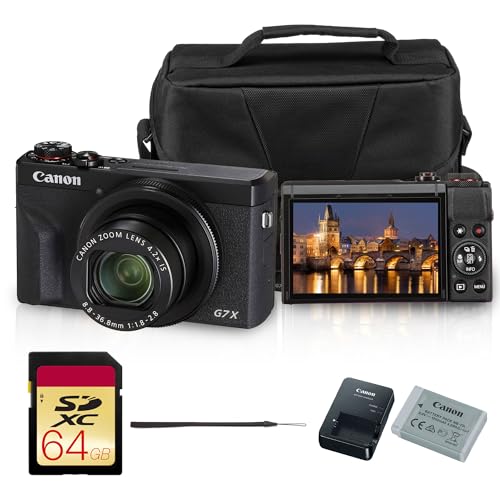
I always keep a blower in my camera bag. It’s so easy to use and really helps keep dust at bay!
I disagree about the need for a sensor loupe. I’ve been cleaning my sensor for years without one. A simple visual test works fine for me. Not everyone needs extra tools if they're careful.
I disagree about the need for a sensor loupe. I’ve been cleaning my sensor for years without one. A simple visual test works fine for me. Not everyone needs extra tools if they're careful.
I've cleaned my DSLR sensor a couple of times using a blower and swabs as recommended. It was a bit nerve-wracking at first, but following the steps really helped. I used to get spots in my photos, but now they’re clearer. Just be gentle and follow the steps!
I don’t think cleaning your sensor too often is necessary. I’ve gone years without cleaning mine and haven’t had major issues.
While I see your point, it really depends on the environment you shoot in. Dusty locations will require more attention.
I cleaned my DSLR sensor for the first time yesterday, and I was surprised at how easy it was! I followed the steps you provided and used a blower before the cleaning swab. The difference in my photos is amazing. I used to see spots, especially on bright backgrounds, but now they’re gone. Totally worth it!
I'm a bit nervous about cleaning my DSLR sensor myself. How do I know if I'm doing it right or if I've missed any spots?
Can a regular camera lens cleaning kit work for sensor cleaning too?