
 Carmen J. Moore

When it comes to photography, having the right lens can make all the difference in the quality of your images. One of the most versatile types of lenses you can invest in for your digital SLR camera is a zoom lens. Zoom lenses allow you to adjust the focal length, giving you the flexibility to capture a variety of compositions without having to switch lenses.



However, with so many options available on the market, choosing the right zoom lens can be overwhelming. Factors such as focal length range, aperture, image stabilization, and lens quality all play a role in determining which zoom lens is best suited for your needs. In this guide, we will break down the key considerations to help you make an informed decision when selecting a zoom lens for your digital SLR camera.
Focal Length Range: One of the first things to consider when choosing a zoom lens is the focal length range. Different zoom lenses offer different ranges, from wide-angle to telephoto. Think about the types of subjects you typically shoot and choose a focal length range that will best suit your needs. A lens with a wider focal length range will give you more versatility, allowing you to capture a variety of shots without having to switch lenses.
Factors to consider when choosing a zoom lens
Choosing the right zoom lens for your digital SLR camera can greatly impact the quality of your photos. Here are some key factors to consider:
1. Focal Length Range
Consider the focal length range of the zoom lens. A lens with a wider focal length range allows you to capture a variety of shots, from wide-angle to telephoto. Choose a focal length that suits your photography style and needs.
2. Aperture Range
The aperture range of a zoom lens determines its ability to capture light and control depth of field. A lens with a wider maximum aperture allows for better low-light performance and the ability to achieve a shallow depth of field for creative effects. Consider the aperture range based on your shooting conditions and desired effects.

Understanding Focal Length and Aperture
Focal Length: Focal length refers to the distance between the lens and the image sensor when the subject is in focus. It is measured in millimeters and determines the angle of view and magnification of the lens. A longer focal length provides a narrower angle of view and higher magnification, ideal for capturing distant subjects, while a shorter focal length offers a wider angle of view, suitable for landscapes and group shots.
Aperture: Aperture is the opening in the lens that controls the amount of light entering the camera. It is measured in f-stops, with lower f-stop numbers indicating larger apertures that allow more light to pass through. A wider aperture (lower f-stop) results in a shallower depth of field, ideal for portraits and macro photography, while a smaller aperture (higher f-stop) increases the depth of field, suitable for landscapes and architecture photography.
Image stabilization technology
Image stabilization technology is an important feature to consider when choosing a zoom lens for your digital SLR camera. This technology helps to reduce the effects of camera shake, allowing you to capture sharper images, especially in low light conditions or when using longer focal lengths. There are two main types of image stabilization technology: lens-based and sensor-based.
Lens-based image stabilization is built into the lens itself and helps to stabilize the image by compensating for camera movement. This type of stabilization is effective for shooting still subjects or when using longer focal lengths.
Sensor-based image stabilization is built into the camera body and works by moving the camera’s sensor to counteract any camera shake. This type of stabilization is beneficial for all lenses attached to the camera, not just those with built-in stabilization.
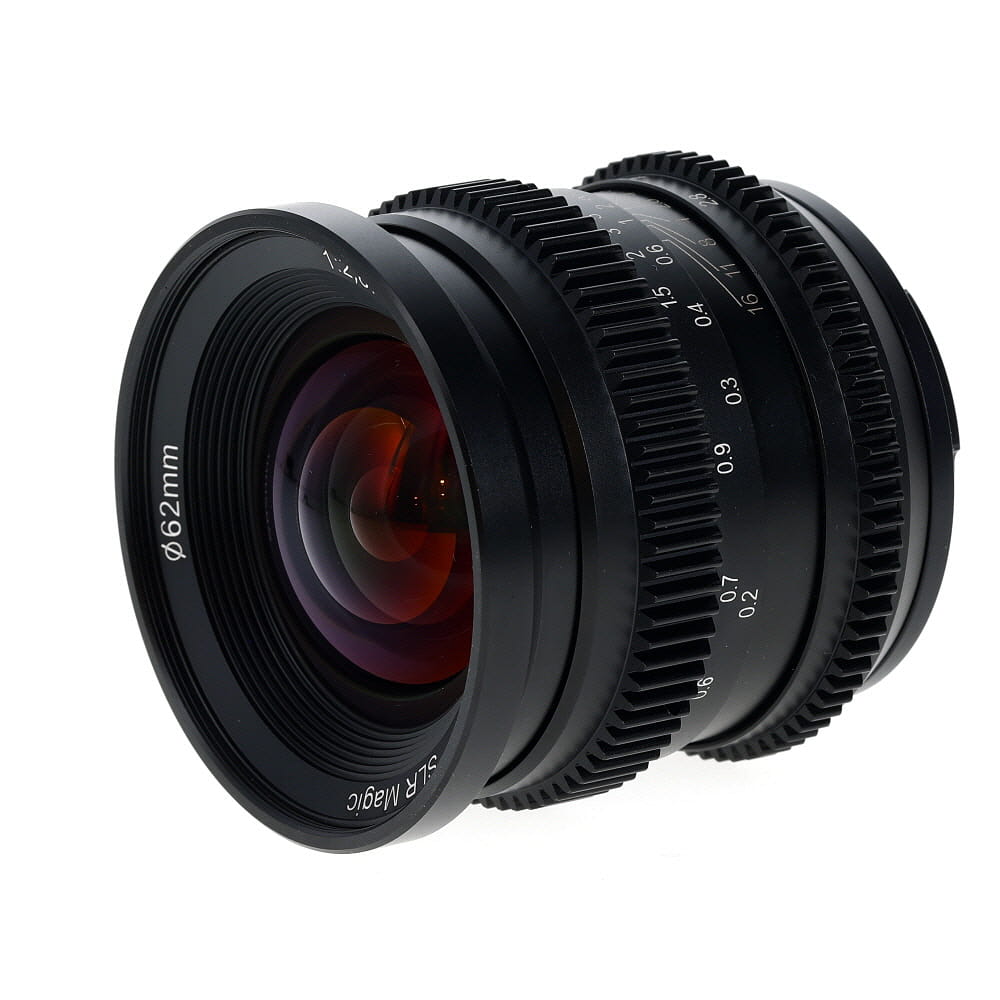
When choosing a zoom lens, consider whether it has image stabilization technology and which type it uses to ensure you capture sharp, blur-free images in a variety of shooting conditions.
Compatibility with your camera model
When choosing a zoom lens for your digital SLR camera, it is essential to ensure compatibility with your specific camera model. Not all lenses are compatible with every camera, so it is important to check the lens mount type and compatibility list provided by the lens manufacturer. Some popular camera brands, such as Canon and Nikon, have their own proprietary lens mounts, so you will need to select a lens that is designed for your camera model.
Additionally, consider the crop factor of your camera when selecting a zoom lens. Crop factor affects the effective focal length of the lens, so be sure to choose a lens that will provide the desired zoom range on your camera. If you are unsure about compatibility, it is recommended to consult with the manufacturer or a camera store specialist to ensure that you choose a zoom lens that is fully compatible with your digital SLR camera.
Budget considerations for buying a zoom lens
When looking to purchase a zoom lens for your digital SLR camera, budget considerations play a significant role in the decision-making process. Here are some key factors to keep in mind:
- Set a budget: Determine how much you are willing to spend on a zoom lens. Prices can vary greatly depending on the brand, focal length, aperture, and other features.
- Consider used or refurbished options: You can often find quality zoom lenses at a lower price if you are open to buying used or refurbished equipment.
- Compare prices: Research different retailers and online stores to compare prices and look for discounts or sales on zoom lenses.
- Look for bundled deals: Some camera manufacturers offer bundles that include a camera body and one or more lenses at a discounted price, which can be a cost-effective way to purchase a zoom lens.
- Avoid sacrificing quality for price: While budget is important, it’s essential to prioritize lens quality and features that meet your photography needs over simply choosing the cheapest option.
Researching and Reading Reviews Online
When it comes to choosing a zoom lens for your digital SLR camera, researching and reading reviews online is crucial. There are numerous websites and forums dedicated to photography gear where you can find in-depth reviews from experts and fellow photographers.
Before making a purchase, take the time to read multiple reviews to get a comprehensive understanding of the lens’s performance, build quality, and overall value. Look for reviews that include sample images taken with the lens to assess its sharpness, color rendition, and distortion.
Pay attention to user feedback as well, as it can provide valuable insights into real-world usage and any potential issues with the lens. Compare the pros and cons mentioned in different reviews to make an informed decision that aligns with your specific photography needs.
| Pros | Cons |
| Excellent image quality | Heavy and bulky |
| Fast and accurate autofocus | Pricey |
| Versatile focal range | Some distortion at the edges |
Testing the lens in person before purchasing
When choosing a zoom lens for your digital SLR camera, it is important to test the lens in person before making a purchase. While online reviews and specifications can provide valuable information, nothing beats the hands-on experience of actually trying out the lens yourself.
When testing a lens, pay attention to the following factors:
- Image quality: Check the sharpness, clarity, and color reproduction of the images taken with the lens. Look for any distortions or aberrations that may affect the overall image quality.
- Autofocus performance: Test the autofocus speed and accuracy of the lens, especially in low-light conditions. Make sure the lens can quickly and accurately focus on your subjects.
- Build quality: Evaluate the construction and durability of the lens. Check if the lens feels solid and well-made, as this can affect its longevity and reliability.
- Zoom range: Experiment with the zoom range of the lens to see if it meets your needs. Test both the wide-angle and telephoto capabilities to ensure the lens is versatile enough for your shooting style.
By testing the lens in person, you can make a more informed decision and choose a zoom lens that suits your photography needs and preferences.

FAQ
What factors should I consider when choosing a zoom lens for my digital SLR camera?
When choosing a zoom lens for your digital SLR camera, you should consider factors such as focal length range, maximum aperture, image stabilization, build quality, and compatibility with your camera model. These factors will determine the versatility, performance, and overall quality of the lens for your photography needs.
Is it better to invest in a zoom lens with a wider focal length range or a higher maximum aperture?
It depends on your photography style and preferences. A zoom lens with a wider focal length range offers more versatility for capturing different types of shots, while a lens with a higher maximum aperture allows for better low-light performance and the ability to achieve a shallower depth of field. Consider what type of photography you primarily do and choose a lens that best suits your needs.
What are some popular zoom lens options for digital SLR cameras?
Some popular zoom lens options for digital SLR cameras include the Canon EF 24-70mm f/2.8L II USM, Nikon AF-S NIKKOR 70-200mm f/2.8E FL ED VR, Tamron 28-75mm f/2.8 Di III RXD, and Sony FE 70-200mm f/2.8 GM OSS. These lenses are known for their excellent image quality, performance, and build quality, making them popular choices among photographers.
What are the advantages of choosing a zoom lens over a prime lens for a digital SLR camera?
One advantage of choosing a zoom lens over a prime lens for a digital SLR camera is the versatility it offers in terms of focal length range. With a zoom lens, you can quickly and easily adjust your framing without having to change lenses, making it ideal for situations where you need to capture a variety of shots. Additionally, modern zoom lenses can offer excellent image quality and performance, rivaling that of prime lenses.



I recently bought a zoom lens with a 70-300mm range for my Nikon, and it’s been a game changer for my landscape and portrait shots. I was surprised by how well it performs in low light, thanks to the f/4.5-5.6 aperture. I definitely recommend testing lenses in-store if you can before committing.
Does image stabilization matter for all types of photography? I usually shoot landscapes.
While image stabilization is particularly useful for low-light and fast-moving subjects, it can also help with long exposures in landscape photography by reducing camera shake.