
 Carmen J. Moore

Creating a blurred background, also known as bokeh, can add a professional and artistic touch to your photographs. This effect helps to isolate the subject and make it stand out by blurring the background, drawing the viewer’s attention to the main focal point of the image. While achieving this effect may seem daunting, with the right techniques and camera settings, you can easily blur the background with a digital camera.
One of the key factors in achieving a blurred background is using a wide aperture. Aperture refers to the opening in the lens through which light passes. By selecting a wide aperture (such as f/2.8 or lower), you can create a shallow depth of field, resulting in a blurred background. Additionally, using a lens with a longer focal length can further enhance the bokeh effect, as longer lenses tend to have a more pronounced blur.
Another important aspect to consider is the distance between the subject and the background. The farther the subject is from the background, the more pronounced the blur will be. To maximize the bokeh effect, try positioning your subject several feet away from any background elements. This will help create a greater separation between the subject and the background, resulting in a smoother and more pleasing blur.


Understanding Depth of Field
Depth of field refers to the range of distance that appears acceptably sharp in an image. It is affected by several factors, including the aperture setting, focal length, and distance between the camera and the subject.
Factors Affecting Depth of Field
The main factor that affects depth of field is the aperture setting. A wider aperture (lower f-stop number) will result in a shallower depth of field, while a smaller aperture (higher f-stop number) will result in a deeper depth of field.
| Factor | Effect on Depth of Field |
|---|---|
| Aperture | Wider aperture = shallower depth of field, Smaller aperture = deeper depth of field |
| Focal Length | Longer focal length = shallower depth of field, Shorter focal length = deeper depth of field |
| Distance | Closer distance to subject = shallower depth of field, Further distance from subject = deeper depth of field |
Understanding depth of field is essential when trying to achieve a blurred background effect in photography. By controlling the factors that affect depth of field, you can create stunning images with a beautifully blurred background.
Choosing the Right Aperture
One of the key factors in blurring the background of your photos is choosing the right aperture. Aperture refers to the size of the opening in the lens that allows light to enter the camera. A wider aperture (lower f-stop number) will create a shallower depth of field, resulting in a more blurred background. On the other hand, a smaller aperture (higher f-stop number) will increase the depth of field and keep more of the scene in focus.
When you want to blur the background, opt for a wider aperture like f/2.8 or lower. This will help isolate your subject and create a pleasing bokeh effect. Experiment with different apertures to find the right balance between subject sharpness and background blur.

Positioning Your Subject
When attempting to blur the background with a digital camera, it’s important to consider the positioning of your subject. Placing your subject a good distance away from the background will help create a greater separation between the two, making it easier to achieve a blurry background effect.
Try to position your subject in the foreground of your shot, with the background behind them. This will help create depth in your image and enhance the blur effect. Additionally, consider the angle at which you are shooting – shooting from a low angle can help emphasize the blur in the background.
Using Manual Focus
Another way to blur the background with a digital camera is to use manual focus. By manually adjusting the focus on your camera, you can control which part of the image is sharp and which part is blurred. This technique gives you more control over the depth of field in your photos and allows you to create a more artistic effect.
To use manual focus, simply switch your camera to manual focus mode and adjust the focus ring on your lens until the desired part of the image is sharp. Experiment with different focus settings to achieve the desired blur effect in the background.
Experimenting with Distance
Another factor that can affect the background blur in your photos is the distance between the subject and the background. The closer your subject is to the background, the more likely it is that the background will be in focus. On the other hand, if you increase the distance between your subject and the background, you may achieve a more pronounced background blur.
Tip: Adjust your shooting distance
Try experimenting with different shooting distances to see how it affects the background blur in your photos. Move closer or farther away from your subject and observe the changes in the background blur. You may find that a certain distance produces the perfect amount of blur for your desired effect.
| Distance to subject | Effect on background blur |
| Close | Background likely in focus |
| Farther away | More pronounced background blur |
Utilizing Bokeh Effect
One popular technique for achieving a blurred background in photography is by utilizing the bokeh effect. Bokeh refers to the aesthetic quality of the out-of-focus areas in an image, creating a smooth and creamy background blur that helps the subject stand out.
How to Create Bokeh Effect:
To create a bokeh effect, you can use a lens with a wide aperture (low f-stop number) to achieve a shallow depth of field. This will blur the background while keeping the subject in sharp focus, creating a beautiful separation between the two.
Tip: To enhance the bokeh effect, try shooting in low light or using a longer focal length. This will further isolate the subject and create a more pronounced background blur.
Post-Processing Techniques
After capturing the image with a digital camera, you can further enhance the background blur effect using post-processing techniques. Here are some methods you can use:

1. Using Image Editing Software
You can use image editing software such as Adobe Photoshop or GIMP to manually blur the background in your photos. This allows you to have more control over the amount and intensity of the blur.
2. Applying Gaussian Blur
Another common technique is to apply Gaussian blur to the background of the image. This can be done using various photo editing tools and can help create a more natural-looking blur effect.
| Pros of Post-Processing Techniques: | Cons of Post-Processing Techniques: |
| – Allows for more control over the blur effect | – Requires additional time and effort |
| – Can be used to enhance the overall image quality | – May not always produce a natural-looking blur |
FAQ
How can I blur the background with my digital camera?
To blur the background with your digital camera, you can use a wide aperture setting (low f-stop number) to create a shallow depth of field. This will help isolate your subject from the background and create a pleasing bokeh effect.
What is the best aperture setting to blur the background?
The best aperture setting to blur the background is typically around f/2.8 to f/5.6, depending on the lens you are using and the effect you want to achieve. Experiment with different aperture settings to find the right balance between subject sharpness and background blur.
Is it possible to blur the background in post-processing if I didn’t achieve the desired effect in-camera?
Yes, it is possible to blur the background in post-processing using editing software like Adobe Photoshop or Lightroom. However, the quality of the blur may not be as natural or pleasing as achieving it in-camera, so it’s best to try to get the effect right during shooting.

Can I blur the background with any digital camera, or do I need a specific type of camera?
You can blur the background with any digital camera that allows you to control the aperture settings. However, cameras with larger sensors and interchangeable lenses tend to produce better background blur due to their ability to achieve a shallower depth of field. So, while it’s possible with any camera, the results may vary.



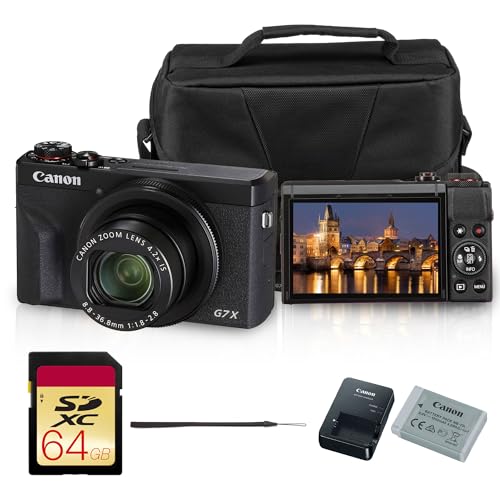
I love using manual focus for bokeh! It really helps me control where the focus lies and makes a big difference in the final image.
I don’t think it's necessary to shoot at such a low f-stop to get a nice blur. Sometimes a higher f-stop can give a nice effect too, especially if your background still has some depth.
I've been experimenting with different lenses and found that my 50mm f/1.8 lens does wonders for achieving that creamy bokeh effect! The separation it creates between my subject and the background feels much better than using the kit lens. I highly recommend trying a prime lens if you want to enhance your bokeh.