
 Carmen J. Moore

Have you ever wondered how many megapixels the first digital camera had? In the world of photography, the evolution from film to digital has revolutionized the way we capture and store images. The birth of the digital camera marked a significant milestone in this transformation, paving the way for the high-resolution images we enjoy today.
But just how many megapixels did the first digital camera boast? Join us on a journey back in time to uncover the fascinating story behind the pioneering technology that laid the foundation for the digital cameras we rely on today.
The Evolution of Digital Cameras
Since the invention of the first digital camera in the late 20th century, the technology has evolved rapidly, revolutionizing the way we capture and store images. The first digital camera was developed in 1975 by Kodak engineer Steven Sasson. It had a resolution of 0.01 megapixels, a far cry from the high-resolution cameras we have today.
Over the years, digital cameras have become smaller, more affordable, and capable of capturing higher quality images. The introduction of CMOS and CCD sensors, as well as advancements in image processing algorithms, have played a key role in improving the image quality of digital cameras.

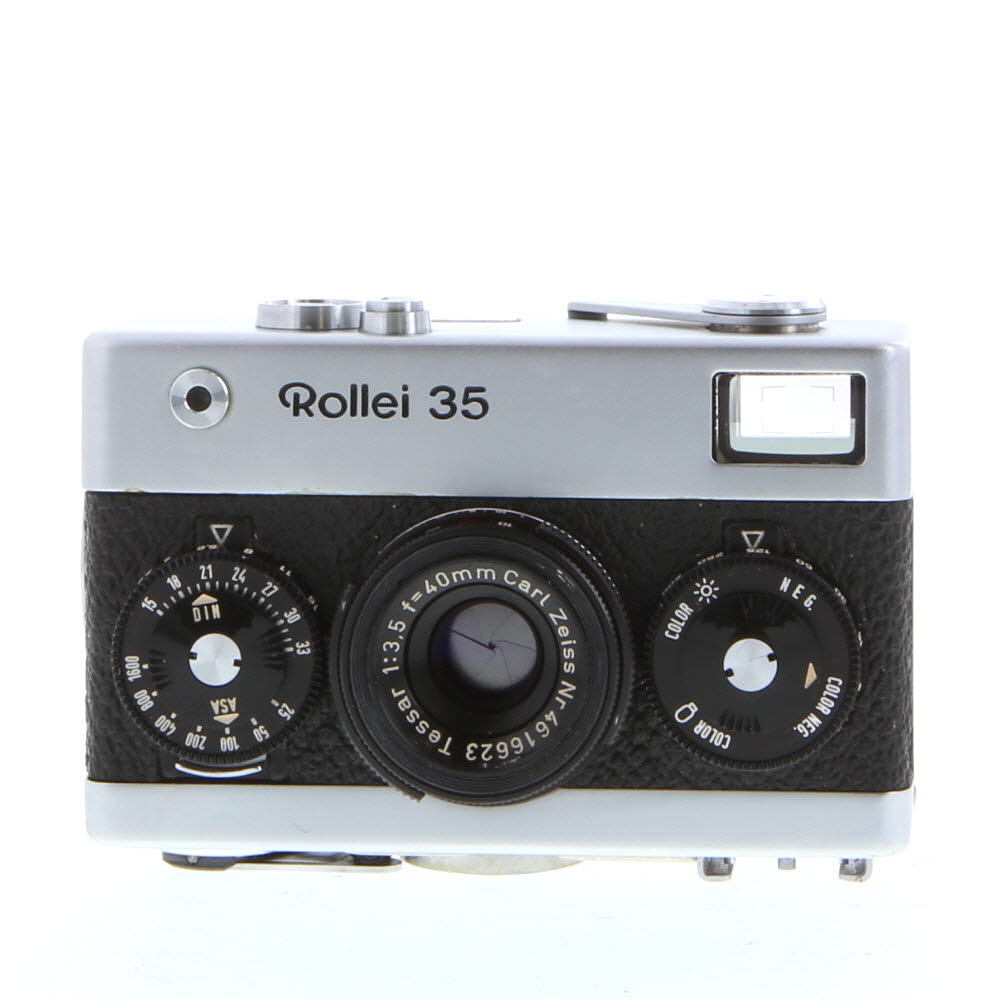
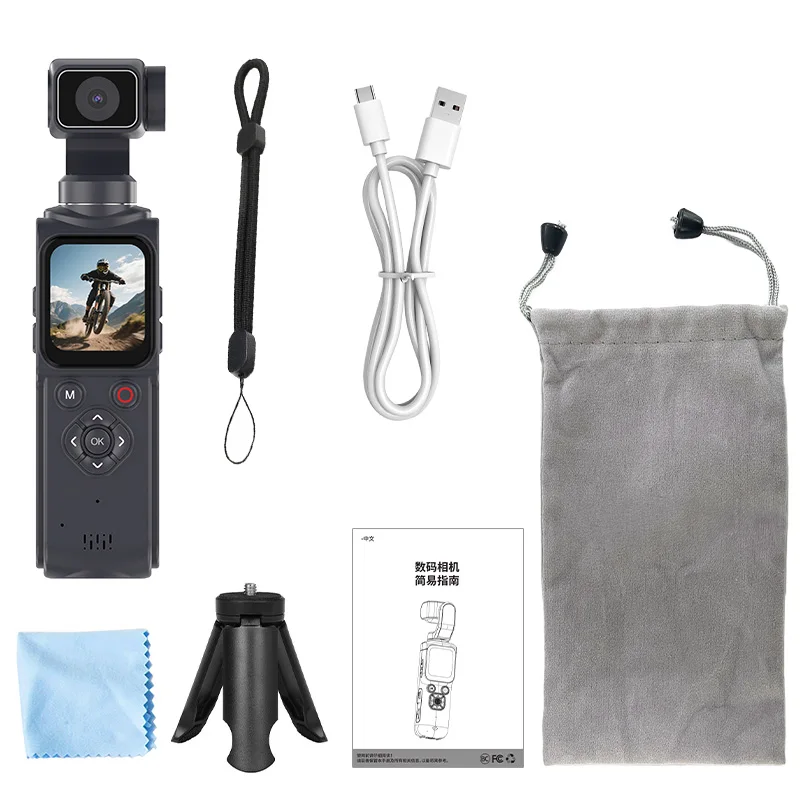

Today, digital cameras come in various types, including compact point-and-shoot cameras, mirrorless cameras, and DSLRs, each offering different features and capabilities to cater to the needs of photographers at every skill level.
As technology continues to advance, we can expect digital cameras to become even more sophisticated, with higher resolutions, improved low-light performance, and enhanced connectivity features to meet the demands of modern photography enthusiasts.
The Birth of the First Digital Camera
In December 1975, engineer Steven Sasson, working at Eastman Kodak, created the first digital camera. This groundbreaking invention marked a significant milestone in the history of photography.
The Prototype
Sasson’s digital camera weighed around 8 pounds, was the size of a toaster, and had a resolution of 0.01 megapixels. It captured black and white images at a resolution of 100×100 pixels.
The camera stored the images on a cassette tape and required 23 seconds to record a single image. Despite its limitations, this prototype laid the foundation for the digital cameras we use today.

Resolution Revolution: Megapixels Explained
In the world of digital photography, the term “megapixels” is often used to describe the resolution of a digital camera. But what exactly does this term mean?
A megapixel is equal to one million pixels, and it is a unit of measurement used to describe the resolution of an image sensor. The more megapixels a camera has, the higher the resolution of the images it can capture.
When the first digital camera was introduced in 1975 by Kodak, it had a resolution of 0.01 megapixels, which is equivalent to 10,000 pixels. This was a groundbreaking development in the world of photography, as it marked the beginning of the shift from film to digital technology.
As technology advanced, digital cameras with higher megapixel counts became more common. Today, it is not uncommon to find digital cameras with resolutions of 20 megapixels or more, allowing photographers to capture incredibly detailed images.
Ultimately, the number of megapixels a camera has is just one factor to consider when choosing a digital camera. Other factors such as sensor size, lens quality, and image processing capabilities also play a significant role in determining the overall image quality.
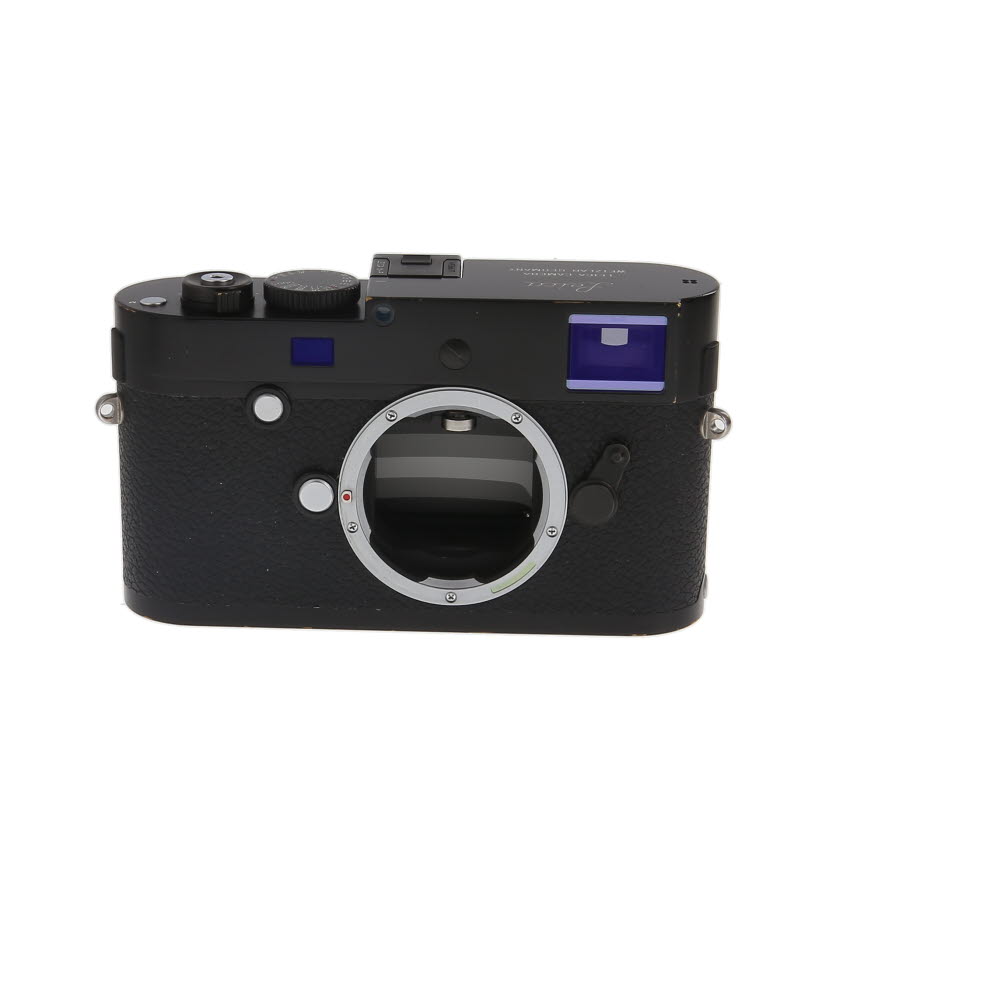
How Many Megapixels in the First Digital Camera?
The first digital camera, the Kodak DCS 100, was released in 1991 and had a resolution of 1.3 megapixels. This groundbreaking camera marked the beginning of the digital photography era, although by today’s standards, its resolution is considered very low.
Despite its low resolution, the Kodak DCS 100 paved the way for the development of higher megapixel digital cameras that we use today. It revolutionized the photography industry and changed the way we capture and share images.
Impact of Megapixels on Image Quality
Megapixels play a crucial role in determining the image quality of digital cameras. The number of megapixels directly affects the resolution and level of detail captured in an image.
Higher megapixel counts result in sharper and more detailed images, especially when printed or viewed on larger screens. However, simply increasing the number of megapixels does not guarantee better image quality. Other factors such as sensor size, lens quality, and image processing also significantly impact the final result.
Benefits of Higher Megapixel Counts:
- Increased resolution for larger prints
- Enhanced ability to crop and resize images without losing quality
- Improved detail and sharpness
Limitations of High Megapixel Counts:
- File size may be larger, requiring more storage space
- Diminishing returns in image quality beyond a certain point
- Higher sensitivity to camera shake and motion blur
Future Trends in Digital Camera Technology
In the rapidly evolving world of digital photography, advancements in camera technology continue to push the boundaries of what is possible. As technology progresses, we can expect to see several exciting trends shaping the future of digital cameras.
1. Increased Megapixel Counts
One of the key trends in digital camera technology is the continuous increase in megapixel counts. Higher megapixel counts allow for greater detail and resolution in images, making them ideal for large prints or cropping without losing quality.
2. Enhanced Image Processing
Advancements in image processing algorithms are also shaping the future of digital cameras. Improved image processing capabilities can enhance image quality, reduce noise, and improve low-light performance, resulting in better overall image quality.
With these exciting trends and more on the horizon, the future of digital camera technology looks promising for photographers and enthusiasts alike.
FAQ
What was the resolution of the first digital camera?
The first digital camera, the Kodak DCS-100, had a resolution of 1.3 megapixels.
How many megapixels did the first commercially available digital camera have?
The first commercially available digital camera, the Kodak DCS-100, had a resolution of 1.3 megapixels.

What year was the first digital camera with 1.3 megapixels released?
The first digital camera with 1.3 megapixels, the Kodak DCS-100, was released in 1991.
How did the resolution of the first digital camera compare to modern cameras?
The resolution of the first digital camera, 1.3 megapixels, is significantly lower than modern cameras, which can have resolutions of 20 megapixels or more.
Was the first digital camera with 1.3 megapixels successful in the market?
The first digital camera with 1.3 megapixels, the Kodak DCS-100, was a groundbreaking innovation at the time, but it was relatively expensive and limited in features compared to modern cameras. It paved the way for future advancements in digital photography.


I remember when the Kodak DCS-100 came out! It was such a big deal, but I couldn't believe how heavy it was compared to my film cameras. I think my first digital camera was a few years later, and it felt like a miracle to not have to develop film anymore.
Just to clarify, the first digital camera had a resolution of 0.01 megapixels initially, right? How did that affect image quality back then?
Crazy to think that 0.01 megapixels was revolutionary at one point! Makes me appreciate modern technology even more.
Was the first digital camera only used by professionals, or did regular consumers have access to it as well? I'm curious how it was perceived back in the day.
Interesting how much weight and size have decreased in cameras since the 70s. Can't imagine carrying an 8-pound camera around now!
It's interesting to see how far we've come. My smartphone has a 48-megapixel camera, and the difference in detail is incredible compared to the early digital cameras. I wonder what the next big leap will be.
While it's great to have higher megapixels, I believe the way we use cameras has changed more than the technology itself. Many people overestimate the importance of megapixels.
While higher megapixels are great, I think the emphasis should be on sensor quality and lens capabilities too. Just adding more megapixels doesn't always mean better photos.