
 Carmen J. Moore

Contrast is a key element in digital photography that can make or break an image. It refers to the difference in brightness between the lightest and darkest parts of a photo. Understanding how contrast works with a digital camera is essential for capturing striking and visually appealing images.


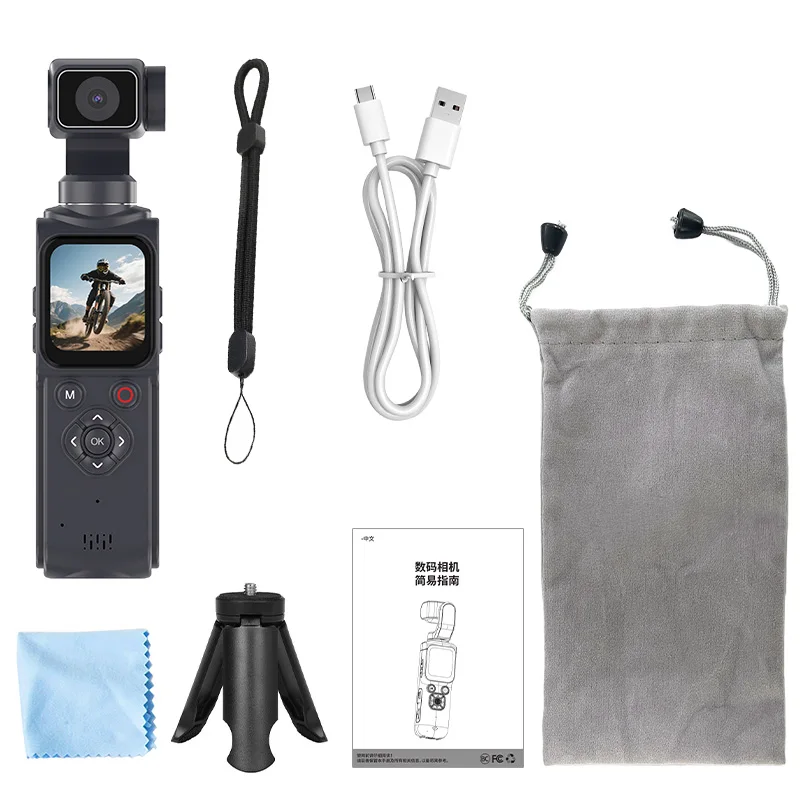

When shooting with a digital camera, contrast can be manipulated in several ways. One common technique is adjusting the exposure settings to control the amount of light that reaches the camera’s sensor. By increasing or decreasing the exposure, photographers can enhance or reduce the contrast in their images.
Another important factor affecting contrast is the lighting conditions. The angle, intensity, and direction of light can all impact the contrast in a photo. By paying attention to the quality of light and how it interacts with the subject, photographers can create images with dynamic contrast that draw the viewer’s eye.
Understanding Contrast in Photography
Contrast plays a crucial role in photography, helping to create visually striking images that capture the viewer’s attention. In photography, contrast refers to the difference between the darkest and lightest areas in an image. This difference in tones helps to define the shape, form, and texture of the subjects in the photograph.
Types of Contrast
There are two main types of contrast in photography: tonal contrast and color contrast. Tonal contrast refers to the difference in brightness between the lightest and darkest parts of an image, while color contrast is the difference in hues and saturation between different elements in the photo.
Understanding how to manipulate contrast in photography can help you create more dynamic and impactful images. By adjusting the contrast levels in your photos, you can emphasize certain elements, create depth, and evoke different moods in your photographs.

Key Concepts of Contrast
Contrast in digital photography refers to the difference in brightness between the light and dark areas of an image. Understanding contrast is essential for creating visually appealing photographs. Here are some key concepts to keep in mind:
1. High contrast images have a greater difference between the lightest and darkest areas, resulting in bold and dramatic photos.
2. Low contrast images have minimal difference between light and dark areas, creating a softer and more muted effect.
3. Contrast can be adjusted in post-processing software to enhance or reduce the overall impact of an image.
4. Pay attention to contrast when composing your shots to create depth and visual interest in your photographs.
By mastering the key concepts of contrast, you can elevate the quality of your digital photography and create stunning images that captivate viewers.
Types of Contrast in Images
Contrast in images can be categorized into different types based on how the elements in the image interact with each other. Here are some common types of contrast:
1. Tonal Contrast
Tonal contrast refers to the difference in brightness between the lightest and darkest areas of an image. It can create a sense of depth and dimension in the image.
2. Color Contrast
Color contrast is the difference in hue, saturation, and brightness between different colors in an image. It can be used to create visual interest and draw the viewer’s attention to specific elements.
These are just a few examples of the types of contrast that can be found in images captured with a digital camera. Understanding these types of contrast can help you create more visually appealing and dynamic photographs.

Importance of Contrast in Photography
Contrast is a crucial element in photography as it helps to create visual interest and impact in an image. By emphasizing the differences between light and dark areas, contrast can make a photo more dynamic and engaging.
High contrast images often have a greater sense of depth and dimension, as the bright highlights and deep shadows create a more three-dimensional effect. This can help to draw the viewer’s eye into the image and create a sense of drama.
Contrast can also be used to emphasize textures, shapes, and patterns in a photograph. By enhancing the differences in light and dark areas, contrast can make these elements stand out more clearly and add visual interest to the composition.
When shooting with a digital camera, photographers can adjust the contrast settings to enhance or reduce the level of contrast in their images. This gives them greater control over the final look of their photos and allows them to create images that best convey their artistic vision.
| Benefits of Contrast in Photography |
|---|
| Creates visual interest and impact |
| Enhances sense of depth and dimension |
| Emphasizes textures, shapes, and patterns |
| Allows for artistic control and expression |
Enhancing Contrast with Digital Cameras
Contrast is a key element in photography that helps to create visually appealing images. With digital cameras, you can enhance contrast in several ways to make your photos more dynamic and engaging.

- Adjusting exposure settings: By adjusting the exposure settings on your digital camera, you can control the amount of light that enters the lens. This can help you achieve the right balance between highlights and shadows, resulting in improved contrast.
- Using lighting techniques: Experimenting with different lighting techniques, such as side lighting or backlighting, can create dramatic contrasts in your photos. Play with the direction and intensity of light to highlight textures and shapes.
- Editing software: Post-processing software like Adobe Photoshop or Lightroom offers tools to adjust contrast levels in your images. You can use curves, levels, or sliders to fine-tune the contrast and make your photos pop.
- Black and white photography: Converting your photos to black and white can emphasize contrast by focusing on the interplay between light and dark tones. This can add a timeless and artistic quality to your images.
By understanding how contrast works and utilizing the tools available in digital photography, you can elevate the quality of your images and create stunning visual compositions.
Techniques for Creating Contrast in Photos
Contrast is a powerful tool in photography that can help make your photos more dynamic and visually appealing. Here are some techniques for creating contrast in your photos:
| 1. Light and Dark Contrast | Use the difference between light and dark areas in your composition to create contrast. This can be achieved by placing a bright subject against a dark background or vice versa. |
| 2. Color Contrast | Contrasting colors can create a striking visual impact. Experiment with complementary colors or colors that are opposite each other on the color wheel to create vibrant contrast in your photos. |
| 3. Texture Contrast | Contrasting textures can add depth and interest to your photos. Combine smooth and rough textures in your composition to create a tactile contrast that draws the viewer’s eye. |
| 4. Size Contrast | Varying the size of objects in your composition can create contrast and draw attention to specific elements. Play with scale to create a sense of depth and perspective in your photos. |
| 5. Subject Contrast | Contrast your main subject with its surroundings to make it stand out. This can be achieved by placing a small subject against a large background or a detailed subject against a simple backdrop. |
FAQ
How does contrast affect the quality of digital photographs?
Contrast plays a crucial role in digital photography as it determines the difference between the lightest and darkest areas of an image. Higher contrast can make a photo appear more dynamic and visually striking, while lower contrast can create a softer, more muted look. Properly managing contrast in a digital camera can help enhance the overall quality and impact of the photographs.
Can you adjust contrast settings on a digital camera?
Yes, most digital cameras offer the option to adjust contrast settings. This feature allows photographers to control the difference between light and dark areas in their images. By adjusting contrast settings, photographers can enhance or soften the overall look of their photos to achieve the desired effect. Experimenting with contrast settings can help photographers create more visually appealing and impactful images.


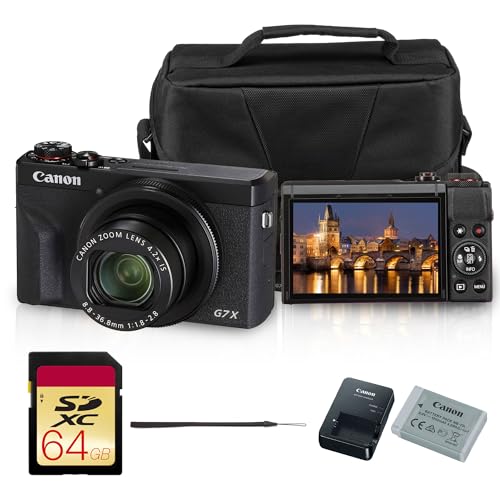
I’ve been experimenting with contrast in my landscape photos. I noticed that shooting during golden hour really brings out the tonal contrast in my images. The warm light combined with shadows creates depth that I didn't achieve in harsher midday light. Anyone else had similar experiences?
How exactly does adjusting exposure settings change the contrast in a photo? I always thought exposure just made the photo brighter or darker.
Good question! Adjusting exposure not only affects brightness but also shifts the balance of highlights and shadows, which can enhance or reduce the contrast in the image.
I recently tried shooting at sunrise to capture contrast in my landscape photos. The way the light interacts with the fog created such amazing depth! I didn’t realize how much the time of day could impact contrast until I experimented with it. I’d definitely recommend trying different lighting conditions to see what works best for you!
Good article! I’m curious, how exactly do exposure settings influence contrast? Is there a specific range I should aim for?
I think the article oversimplifies the concept of contrast. It's not just about light and dark; emotional impact plays a big role too. For instance, a low-contrast image can evoke calmness, while high-contrast images might stir excitement. Sometimes the mood is more important than the technical aspects!
Thanks for your insight! You're right that emotional impact is crucial in photography. Contrast is just one tool among many that can help convey a particular mood.
Can anyone explain the difference in results between adjusting contrast in-camera versus using post-processing software? I’m curious how much of a difference it makes.
In-camera adjustments are more about the capture, while post-processing gives you greater control over fine-tuning. You can correct issues you didn’t notice while shooting.