
 Carmen J. Moore

Digital cameras have revolutionized the way we capture and store images. They have replaced traditional film cameras with their digital sensors that convert light into electronic signals. But have you ever wondered how these devices actually work?
When you press the shutter button on a digital camera, light enters through the lens and is focused onto a sensor made up of millions of tiny light-sensitive diodes called photosites. Each photosite measures the intensity of the light it receives and converts it into an electrical signal.
These electrical signals are then processed by the camera’s image processor, which converts them into a digital image file. This file can be stored on a memory card and viewed on a screen or printed out. The whole process happens in a fraction of a second, allowing you to capture the moment with incredible detail and clarity.

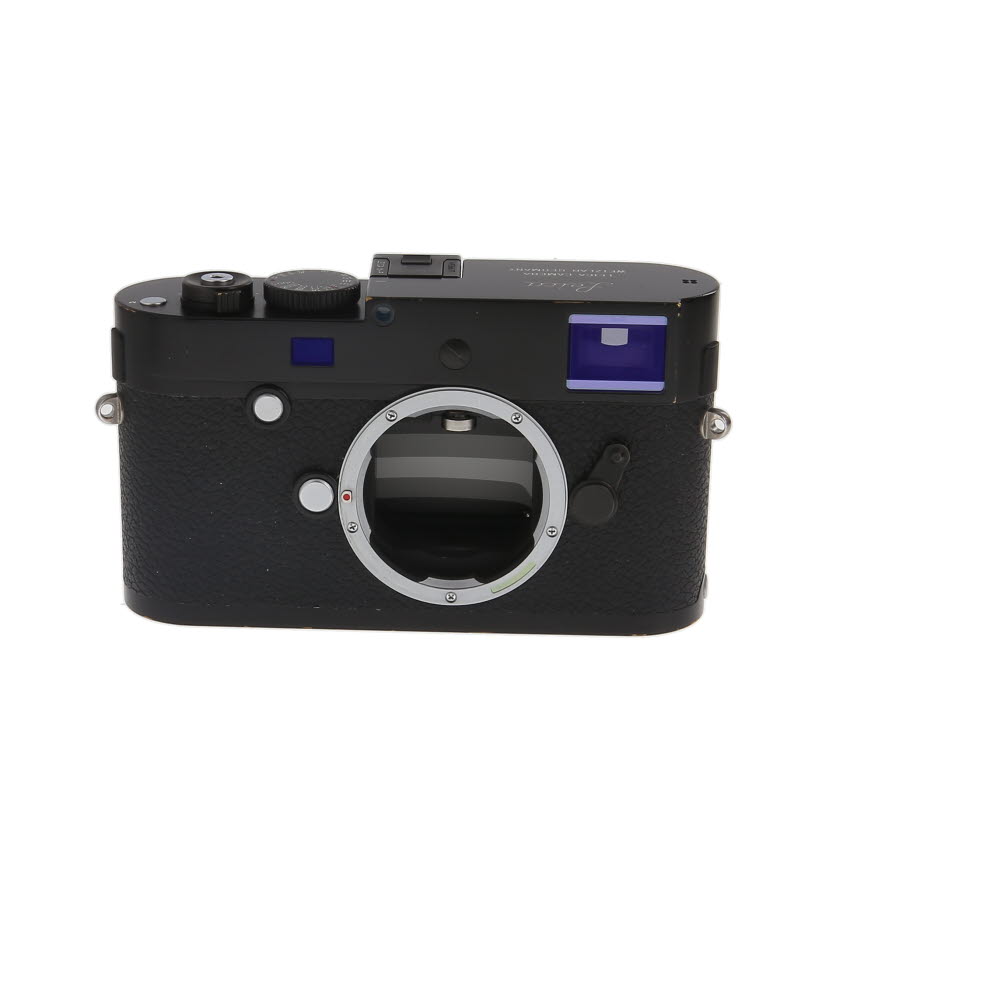
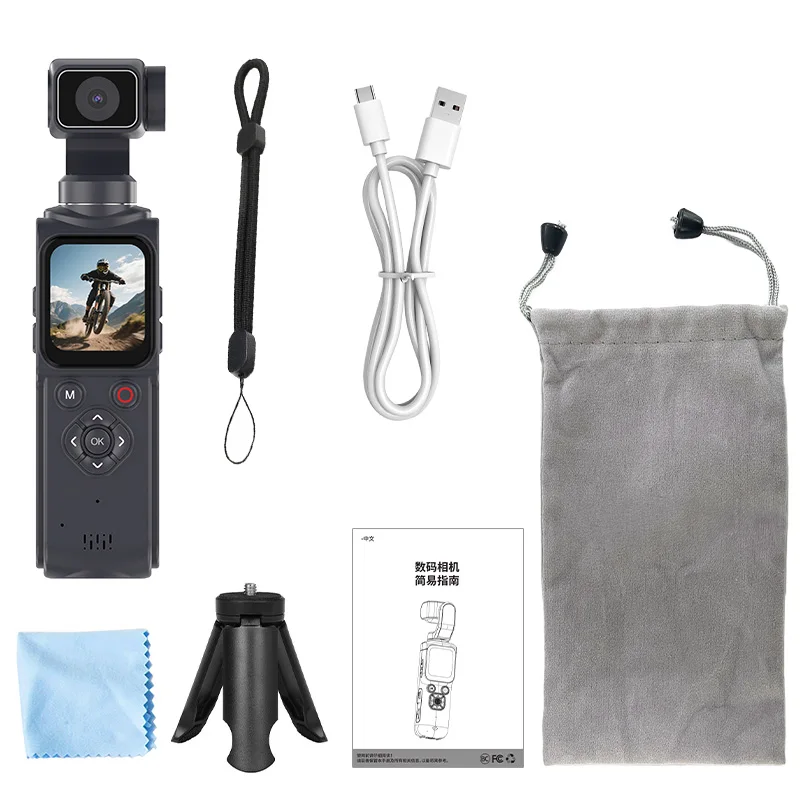

Understanding the Mechanism of Digital Camera
A digital camera operates by capturing light through a lens and converting it into an electronic image that can be stored and viewed on a digital display.
Sensor
The core component of a digital camera is the image sensor, which consists of millions of photosensitive cells that convert light into electrical signals. The most common types of sensors are CCD (charge-coupled device) and CMOS (complementary metal-oxide-semiconductor).
Image Processor
After the sensor captures the light, the image processor processes the electrical signals to create a digital image. The processor adjusts settings such as exposure, white balance, and sharpness to produce a high-quality image.
Exploring the Inner Workings of a Digital Camera
A digital camera is a complex device that captures and stores images electronically. Understanding how it works can help you appreciate the technology behind the photos you take. Let’s take a closer look at the inner workings of a digital camera:
1. Image Sensor
The image sensor is the heart of a digital camera. It converts light into electronic signals that form the image. There are two main types of image sensors: CCD (Charge-Coupled Device) and CMOS (Complementary Metal-Oxide-Semiconductor).

2. Digital Signal Processor (DSP)
The DSP processes the electronic signals from the image sensor to create a digital image. It adjusts factors like exposure, white balance, and color saturation to produce a high-quality photo.
- 3. Lens
- The lens focuses light onto the image sensor, determining the clarity and sharpness of the image. Different lenses can provide various focal lengths and apertures for creative photography.
These components work together seamlessly to capture and process the images you see on your digital camera’s screen. Understanding their functions can enhance your photography skills and appreciation for digital technology.
Key Components of Digital Camera Technology
1. Image Sensor: The image sensor is the heart of a digital camera, converting light into digital signals. The most common types of image sensors are CMOS and CCD sensors.
2. Lens: The lens of a digital camera focuses light onto the image sensor. It plays a crucial role in determining the quality of the captured image.
3. Processor: The processor in a digital camera processes the digital signals from the image sensor and controls various functions of the camera, such as autofocus and exposure.
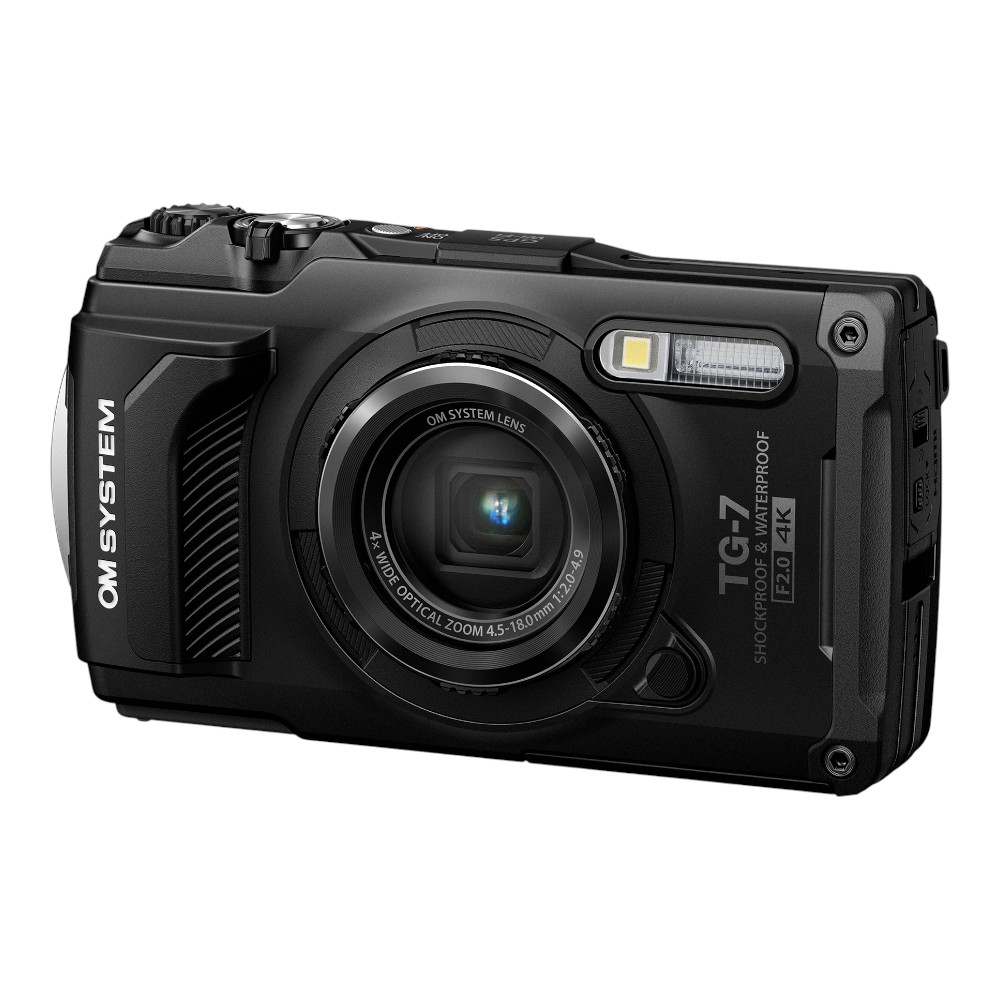
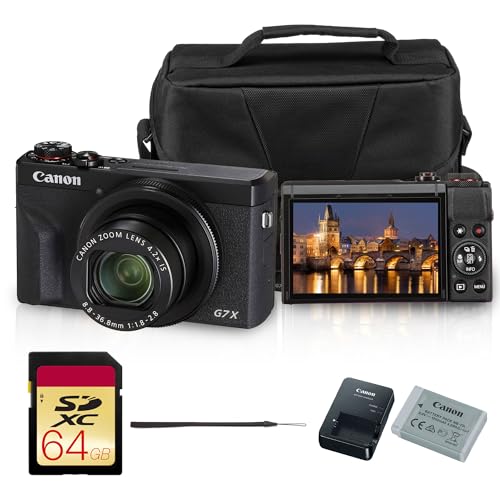
4. Memory Card: Digital cameras store images and videos on memory cards. Common types of memory cards include SD, SDHC, and CF cards.
5. LCD Screen: The LCD screen on the back of a digital camera allows users to preview and review images and videos, as well as access the camera’s menu system.
6. Shutter: The shutter in a digital camera controls the amount of time light is allowed to hit the image sensor, influencing the exposure of the image.
7. Battery: Digital cameras are powered by rechargeable batteries, providing the necessary energy for capturing images and videos.
8. Flash: Many digital cameras come with built-in flashes to provide additional light in low-light conditions.

“`html
How Light is Captured and Converted into Digital Data
When you press the shutter button on a digital camera, light enters through the lens and hits the image sensor. The image sensor is made up of millions of light-sensitive cells called pixels. Each pixel measures the intensity of light that hits it and converts it into an electrical signal.
Once the light has been converted into electrical signals, these signals are processed by the camera’s image processor. The image processor then interprets the signals from each pixel and combines them to create a digital image. This digital image is then saved onto the camera’s memory card as a file, such as a JPEG or RAW file.
Processing and Storing Images in a Digital Camera
Once a digital camera captures an image, the processing and storing of the image begin. Here is a brief overview of how this process works:
- Image Processing: The digital camera’s image processor processes the raw image data captured by the image sensor. This processing includes tasks like color correction, noise reduction, sharpening, and adjusting exposure levels.
- Compression: To reduce file size and make storage more efficient, the processed image data is typically compressed using algorithms like JPEG compression. This allows more images to be stored on the camera’s memory card.
- Storing: The compressed image data is then stored on a memory card within the digital camera. The memory card acts as a storage medium where images are saved until they are transferred to a computer or external storage device.
Overall, the processing and storing of images in a digital camera are crucial steps in the digital photography workflow, ensuring that captured images are optimized, saved efficiently, and ready for further editing or sharing.

Advancements in Digital Camera Technology
Over the years, digital camera technology has advanced significantly, leading to improved image quality, faster processing speeds, and enhanced features. Some of the key advancements in digital camera technology include:
- Higher Megapixel Counts: Modern digital cameras offer higher megapixel counts, resulting in sharper and more detailed images.
- Improved Sensor Technology: Advancements in sensor technology have led to better low-light performance and reduced noise in images.
- Enhanced Autofocus Systems: Digital cameras now feature advanced autofocus systems that can quickly and accurately focus on subjects.
- Wireless Connectivity: Many digital cameras come equipped with wireless connectivity options, allowing for easy sharing of images and remote control.
- 4K Video Recording: Some digital cameras can now record video in 4K resolution, providing high-quality video footage.
- Improved Image Stabilization: Newer digital cameras incorporate advanced image stabilization technology to reduce camera shake and blur in images.
These advancements in digital camera technology have made capturing high-quality photos and videos easier and more accessible to a wider range of users.
FAQ
How does a digital camera capture images?
A digital camera captures images by using a sensor to convert light into electronic signals. When light enters the camera through the lens, it hits the sensor, which is made up of millions of light-sensitive pixels. Each pixel records the intensity of light it receives and converts it into an electronic signal, which is then processed by the camera’s image processor to create a digital image.
What is the role of the image sensor in a digital camera?
The image sensor in a digital camera is responsible for capturing light and converting it into electronic signals. It is a crucial component that determines the quality and resolution of the images produced by the camera. The sensor is made up of millions of tiny light-sensitive pixels that work together to create a digital image by recording the intensity of light at each pixel’s location.
How does a digital camera store images?
A digital camera stores images in various formats, such as JPEG, RAW, or TIFF, on a memory card. Once an image is captured by the camera’s sensor and processed by the image processor, it is saved onto the memory card for later retrieval. The size and quality of the image file can be adjusted by the user, depending on their preferences and the camera’s settings.
What are the advantages of using a digital camera over a film camera?
There are several advantages of using a digital camera over a film camera. Digital cameras allow instant review of images, easy sharing on social media, and the ability to store a large number of photos on a single memory card. Additionally, digital cameras offer more control over image settings, such as ISO, white balance, and exposure, allowing photographers to capture better quality images in a variety of lighting conditions.



I just switched from a film camera to a digital one, and I’m amazed at how quickly I can see my photos. The image processing features have really helped me improve my skills. I still have a lot to learn about adjusting settings like exposure and white balance, but I love the instant feedback.
Can someone explain what 'JPEG compression' means and how it affects image quality?
I disagree that higher megapixels always mean better quality. Sometimes, lower megapixels with better sensor technology can produce sharper images. It really depends on the overall design and components of the camera.