
 Carmen J. Moore

One of the common questions among photography enthusiasts is whether lenses designed for film cameras can be used on digital cameras. The short answer is yes, in many cases, but there are some important considerations to keep in mind.
Compatibility: While some older lenses may not be fully compatible with modern digital cameras, many lenses from film cameras can be used on digital bodies with the help of adapters. However, it’s essential to check the compatibility of the lens mount and make sure the adapter fits both the lens and the digital camera.
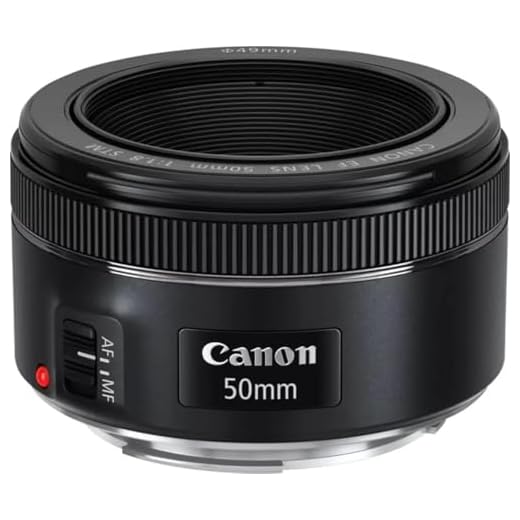

Image Quality: Using a film camera lens on a digital body may result in different image quality compared to using a native digital lens. Factors such as resolution, sharpness, and color rendition may be affected, so it’s important to test the lens on your digital camera to see how it performs.
Can Old Camera Lenses Be Used?
One of the great advantages of using a digital camera is the ability to use old lenses from film cameras. These lenses can often be adapted to work with digital cameras, allowing photographers to take advantage of the unique characteristics of older glass.
Compatibility
Not all old lenses will be compatible with digital cameras, but many can be adapted with the use of lens adapters. These adapters allow the old lens to be mounted onto the digital camera body, although some functionality may be limited depending on the specific lens and camera combination.
| Old Lens | Digital Camera | Adapter Needed |
|---|---|---|
| Canon FD mount | Sony mirrorless camera | FD to E-mount adapter |
| Nikon F mount | Sony mirrorless camera | F to E-mount adapter |
| Minolta MD mount | Sony mirrorless camera | MD to E-mount adapter |
Advantages
Using old lenses on digital cameras can provide a cost-effective way to experiment with different focal lengths and aperture settings. Additionally, some photographers prefer the unique rendering and character of vintage lenses, which can add a distinctive look to their images.
Mixing Analog and Digital
When it comes to photography, mixing analog and digital equipment can open up a world of possibilities. One common question that arises is whether lenses designed for film cameras can be used on digital cameras.

The short answer is yes, in many cases. However, there are a few things to consider before mounting a film lens on a digital camera:
| Compatibility: | Not all film lenses are compatible with digital cameras. Some older lenses may lack electronic contacts or autofocus capabilities required for modern digital cameras. |
| Image Quality: | While some film lenses can produce stunning results on digital sensors, others may exhibit vignetting, softness, or other optical imperfections. |
| Adapters: | Adapters are often necessary to mount film lenses on digital cameras. Make sure to choose a high-quality adapter that maintains proper optical alignment. |
Ultimately, mixing analog and digital gear can add a unique aesthetic to your photos and expand your creative possibilities. Experimenting with different lenses and cameras can lead to unexpected and exciting results.
Compatibility of Lens Types
When it comes to using lenses from film cameras on digital cameras, compatibility can vary depending on the specific lens and camera models. In some cases, lenses designed for film cameras can be used on digital cameras with the appropriate adapter. However, it’s important to note that not all film camera lenses are compatible with digital cameras due to differences in lens mounts and electronic communication.
Before attempting to use a film camera lens on a digital camera, it’s essential to research and ensure compatibility between the two systems. Some manufacturers offer adapters that allow for cross-compatibility between certain lens types, but functionality may be limited in some cases. Additionally, using film camera lenses on digital cameras may result in image quality differences and autofocus issues.
Overall, while it is possible to use film camera lenses on digital cameras with the right equipment, it’s important to proceed with caution and be aware of potential limitations and considerations.
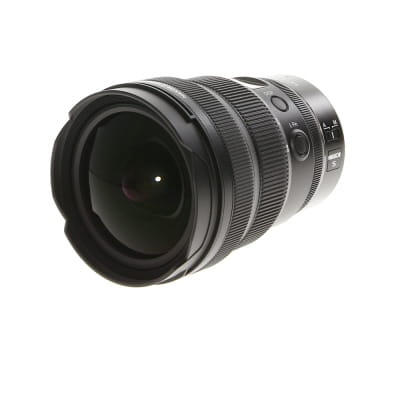
Benefits of Using Film Lenses
Using film lenses on digital cameras can offer several advantages:
- Character and Aesthetics: Film lenses can provide a unique look and feel to your digital images, adding character and aesthetic appeal.
- Cost-Effective Solution: Film lenses are often more affordable than modern digital lenses, making them a cost-effective option for photographers on a budget.
- Enhanced Image Quality: Film lenses may offer different optical characteristics that can enhance the image quality and produce distinctive results.
- Compatibility: Many film lenses can be adapted to fit on digital camera bodies, allowing photographers to use their existing lens collection without investing in new gear.
- Creative Control: Film lenses can provide photographers with creative control over their images, allowing them to experiment with different focal lengths, apertures, and lens characteristics.
Challenges of Using Film Lenses
While it is possible to use film lenses on digital cameras, there are several challenges that photographers may encounter:
- Compatibility: Not all film lenses are compatible with digital cameras, especially if they are from older or less common brands. It is important to check compatibility before attempting to use a film lens on a digital camera.
- Manual Focus: Many film lenses do not have autofocus capabilities, which means photographers will need to manually focus the lens when using it on a digital camera. This can be challenging, especially for beginners or in fast-paced shooting situations.
- Image Quality: Film lenses may not always deliver the same level of image quality on digital sensors as they do on film. Some lenses may exhibit issues such as softness, vignetting, or chromatic aberration when used on digital cameras.
- Lack of Electronic Communication: Film lenses do not have electronic contacts to communicate with digital cameras, which means that features like aperture control, image stabilization, and metadata recording may be limited or unavailable when using a film lens.
- Crop Factor: Film lenses designed for full-frame film cameras may have a different field of view when used on digital cameras with smaller sensors, due to the crop factor. This can affect framing and composition, requiring photographers to adjust their shooting style.
Adapting Lenses for Digital Cameras
One of the advantages of using a digital camera is the ability to adapt lenses from film cameras to the digital body. This can open up a world of creative possibilities, as many vintage lenses have unique characteristics that can add a special look to your digital photos.
There are various adapters available on the market that allow you to mount film lenses on digital camera bodies. However, it’s important to note that not all lenses will work perfectly with digital cameras due to differences in sensor size and flange distance.
Before adapting a lens, make sure to research compatibility with your specific camera model. Some lenses may require additional modifications or may not work at all on digital bodies. It’s also important to consider the quality of the adapter to ensure a secure fit and proper alignment.
Overall, adapting lenses for digital cameras can be a fun and rewarding experience, providing you with a new way to explore photography and create unique images with the charm of vintage glass.
Quality of Image Results
When using a lens for a film camera on a digital camera, the image quality can vary. Some older lenses may not be able to resolve as much detail as modern digital lenses, leading to softer images or less sharpness. Additionally, the color rendition and contrast may differ between film and digital lenses, affecting the overall look of the image.
Compatibility
While some film camera lenses can produce excellent results on digital cameras, not all lenses are compatible. It’s important to check if the lens mount and focal length of the lens are suitable for your digital camera to ensure optimal image quality.
Comparison of Film and Digital Lenses
When it comes to using lenses designed for film cameras on digital cameras, there are a few key differences to consider. While some film lenses can be used on digital cameras with the right adapters, there are some factors to keep in mind.
Optical Performance
Film lenses were optimized for use with film, which has different properties compared to digital sensors. As a result, some film lenses may not perform as well on digital cameras, especially in terms of sharpness and color rendition. Digital lenses are designed to work specifically with digital sensors, resulting in better overall image quality.

Compatibility
While many film lenses can be used on digital cameras with the right adapters, not all combinations will work seamlessly. Some film lenses may not be fully compatible with digital camera bodies, leading to issues such as limited autofocus functionality or incorrect exposure metering. Digital lenses are designed to work seamlessly with digital camera systems, ensuring full compatibility and optimal performance.
Popular Lens Brands
When it comes to lenses for film and digital cameras, there are several popular brands that photographers swear by. Some of the most well-known and respected lens manufacturers include:
- Canon: Known for their high-quality lenses that deliver sharp images and excellent autofocus performance.
- Nikon: Another top choice for photographers, Nikon lenses are known for their optical quality and durability.
- Sony: With their range of E-mount lenses for mirrorless cameras, Sony has made a name for themselves in the lens market.
- Tamron: Tamron is known for their affordable yet high-quality lenses that offer great value for money.
- Sigma: Sigma lenses are popular among photographers for their sharpness and unique lens designs.
These brands offer a wide range of lenses to suit different photography styles and budgets, making them favorites among both amateur and professional photographers.
Expert Tips for Lens Adaptation
Adapting lenses from film cameras to digital cameras can open up a world of creative possibilities. Here are some expert tips to help you make the most of this process:
1. Research Compatibility
Before attempting to adapt a lens, make sure to research compatibility with your digital camera. Some lenses may require additional adapters or modifications to work properly.
2. Consider Image Quality
Keep in mind that older lenses may not provide the same level of image quality as modern digital lenses. Test the lens on your digital camera to evaluate its performance and adjust your settings accordingly.
Remember: Lens adaptation is a fun and creative way to experiment with different lenses, but be prepared for some trial and error along the way.
FAQ
Can I use a lens for a film camera on a digital camera?
Yes, in many cases you can use a lens designed for a film camera on a digital camera, as long as the lens mount is compatible with the digital camera. However, some older lenses may not work properly on digital cameras due to differences in the way they communicate with the camera body.
What are the differences between film camera lenses and digital camera lenses?
Film camera lenses and digital camera lenses may have different coatings, optical designs, and electronic connections. Film camera lenses may not be optimized for the sharpness and color rendition required by digital sensors, but they can still produce good results on some digital cameras.
Do I need an adapter to use a film camera lens on a digital camera?
It depends on the compatibility of the lens mount. Some digital cameras may require an adapter to use a film camera lens, while others may have the same mount and can be used directly. It’s important to check the specifications of both the lens and the camera before attempting to mount the lens.

Are there any advantages to using a film camera lens on a digital camera?
Using a film camera lens on a digital camera can provide a unique look and character to your images. Some photographers prefer the rendering of older lenses for their vintage aesthetic, while others appreciate the cost-effectiveness of repurposing existing lenses for digital use.
Can using a film camera lens on a digital camera affect image quality?
Using a film camera lens on a digital camera may result in different image quality compared to using a lens designed specifically for digital sensors. Factors like optical compatibility, coatings, and resolution may impact the final image, but many photographers find the results to be satisfactory for their needs.


How do the image characteristics of film lenses compare to modern digital lenses? Are the differences really noticeable?
I'm curious about using my old Canon FD lenses on a digital camera. Are there specific adapters you recommend, and will I lose any image quality?
For Canon FD lenses, an FD to E-mount adapter is often recommended for Sony mirrorless cameras. Image quality can vary, but many users report good results with the right adapter.
I've been using a Minolta MD lens on my Sony mirrorless camera. The adapter fits well, and I love the character of the images! However, I’ve noticed that focusing can be tricky since the lens is manual. It's definitely a different experience compared to autofocus lenses, but I enjoy the creative control it gives.
Using old lenses can be a lot of fun! Just make sure to do your research on compatibility and adapter quality before making a purchase. Some of those vintage lenses have amazing character!
You mentioned that some film lenses might lack autofocus. How does that affect shooting if I’m used to modern autofocus systems?
I recently mounted a Minolta MD lens on my digital camera using an adapter. The vintage lens has a unique softness that I love, but I did notice some vignetting at the edges. Overall, it’s been a fun experience experimenting with older glass!