
 Carmen J. Moore

Choosing between a film camera and a digital camera can be a tough decision for photographers. Both options have their own unique advantages and disadvantages, and it ultimately comes down to personal preference and the type of photography you enjoy.
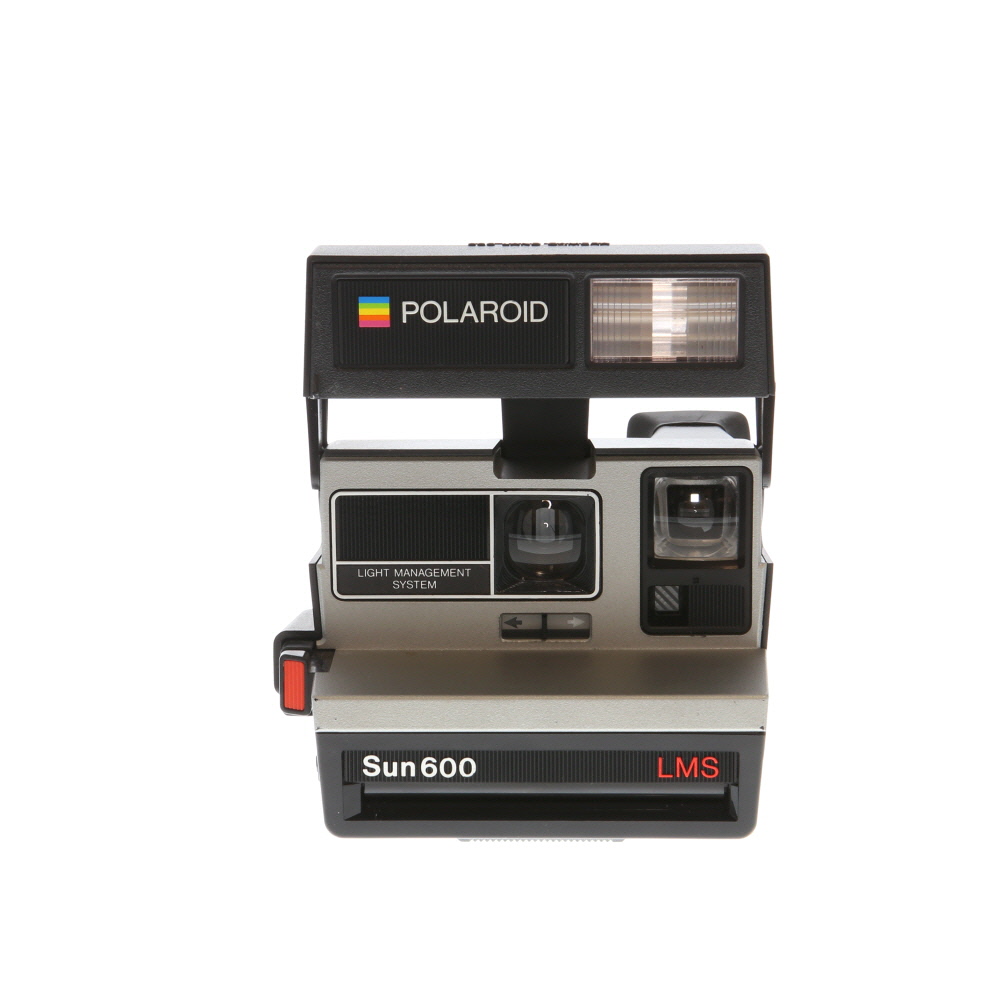
Film cameras offer a classic and nostalgic feel to photography. They require a more deliberate approach to shooting, as you have a limited number of exposures on a roll of film. Many photographers appreciate the process of shooting film, from loading the film to developing and printing the images.

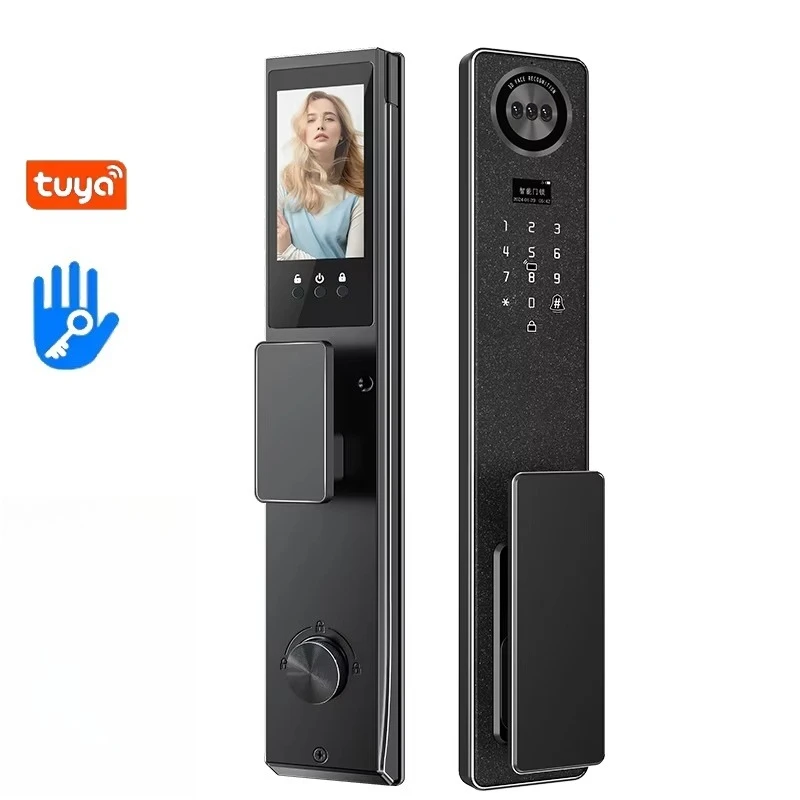

On the other hand, digital cameras offer convenience and flexibility. With a digital camera, you can instantly review your photos, adjust settings, and easily share them online. Digital cameras also offer a wide range of features, such as autofocus, image stabilization, and various shooting modes.
Do I Need a Film Camera or a Digital Camera?
When deciding between a film camera and a digital camera, it’s important to consider your preferences and needs. Each type of camera has its own advantages and disadvantages.
A film camera offers a traditional photography experience and can produce unique, vintage-looking images. Film cameras require you to be more deliberate with your shots since you have a limited number of exposures per roll of film. Additionally, film photography can be a more tactile and immersive process, as you have to develop the film and print the photos yourself.
On the other hand, a digital camera provides instant feedback and the ability to take a large number of photos without worrying about running out of film. Digital cameras offer more flexibility in editing and sharing your photos, as you can easily transfer them to a computer or smartphone for further processing. They also allow for more creative control over settings like ISO, white balance, and exposure.
| Film Camera | Digital Camera |
| Offers a traditional photography experience | Provides instant feedback |
| Produces unique, vintage-looking images | Allows for easy editing and sharing |
| Requires manual film development | Can take a large number of photos |
| Limited exposures per roll of film | More creative control over settings |
In the end, the choice between a film camera and a digital camera comes down to personal preference and the type of photography you enjoy. Some photographers prefer the hands-on approach of film photography, while others appreciate the convenience and versatility of digital cameras. Consider your needs and shooting style to determine which type of camera is best for you.

Comparison of Image Quality
When it comes to image quality, both film and digital cameras have their strengths and weaknesses.
- Film Cameras: Film cameras are known for producing images with a unique and classic look. Film photography enthusiasts often praise the rich colors, fine details, and natural grain of film images. Film also has a wide dynamic range, allowing it to capture subtle variations in light and shadow.
- Digital Cameras: Digital cameras offer the advantage of instant feedback and the ability to easily edit and manipulate images. Digital images can be quickly shared online and printed in various sizes without losing quality. High-end digital cameras can produce extremely sharp and detailed images with vibrant colors.
Ultimately, the choice between film and digital cameras depends on personal preference and the desired aesthetic. While film may appeal to those seeking a nostalgic or artistic look, digital cameras are more versatile and convenient for everyday photography.
Convenience and Portability
When it comes to convenience and portability, digital cameras have a clear advantage over film cameras. Digital cameras are compact, lightweight, and easy to carry around, making them perfect for travel or on-the-go photography. With digital cameras, you can instantly view and edit your photos on the camera screen, eliminating the need to wait for film to be developed.
Additionally, digital cameras allow you to store hundreds or even thousands of photos on a single memory card, saving you the hassle of carrying multiple rolls of film. You can also easily transfer your photos to a computer or smartphone for backup or sharing on social media.
On the other hand, film cameras require you to carry rolls of film, which can be bulky and inconvenient. You also have to wait for the film to be developed before you can see your photos, which can be time-consuming. Overall, digital cameras offer greater convenience and portability compared to film cameras.

Cost Considerations
When deciding between a film camera and a digital camera, cost is an important factor to consider. Here are some key points to keep in mind:
Initial Cost
Typically, digital cameras have a higher upfront cost compared to film cameras. Digital cameras require you to purchase the camera itself as well as additional memory cards, batteries, and possibly lenses or accessories. Film cameras, on the other hand, may have a lower initial cost since you only need to purchase the camera and film rolls.
Long-Term Costs
While film cameras may have a lower initial cost, the long-term costs can add up over time. You will need to continuously purchase film rolls, get them developed, and possibly scan or print the photos. Digital cameras, once purchased, have minimal ongoing costs as you can reuse memory cards, recharge batteries, and easily share or print photos digitally.
Environmental Impact
Film Cameras: Film cameras have a significant environmental impact due to the use of chemicals in the development process. The production and disposal of film also contribute to pollution and waste.
Digital Cameras: Digital cameras have a lower environmental impact compared to film cameras. While the production of digital cameras and their components still has an environmental cost, the lack of film processing chemicals and the ability to reuse memory cards can reduce overall waste.
Conclusion: In terms of environmental impact, digital cameras are generally considered more eco-friendly than film cameras.
Editing and Sharing Options
When it comes to editing and sharing your photos, digital cameras have a clear advantage over film cameras. With a digital camera, you can easily transfer your photos to a computer or mobile device for editing. There are numerous photo editing software options available that allow you to enhance your photos, adjust colors, crop images, and more.
Additionally, digital cameras offer various sharing options. You can quickly share your photos on social media platforms, email them to friends and family, or even create online photo albums to showcase your work. The convenience and speed of sharing photos digitally make it a preferred choice for many photographers.
Editing Tools
Some popular photo editing software options include Adobe Photoshop, Lightroom, and GIMP. These tools offer a wide range of features to help you edit and enhance your photos to achieve the desired look.
Sharing Platforms
| Platform | Description |
|---|---|
| Social Media | Platforms like Instagram, Facebook, and Twitter allow you to quickly share your photos with a wide audience. |
| You can easily send your photos via email to friends, family, or clients. | |
| Online Photo Albums | Websites like Flickr, SmugMug, and Google Photos provide a platform to create and share online photo albums. |
Long-Term Investment
When deciding between a film camera and a digital camera, it’s important to consider the long-term investment aspect. Film cameras require ongoing costs for film rolls, processing, and printing, which can add up over time. On the other hand, digital cameras have a higher upfront cost but offer the advantage of reusability, as you can take countless photos without additional expenses.

Moreover, digital cameras often come with advanced features and settings that can be updated through software upgrades, ensuring that your device remains relevant and functional for years to come. In contrast, film cameras may become obsolete as technology progresses, limiting their long-term value.
Personal Preference and Shooting Style
When deciding between a film camera and a digital camera, your personal preference and shooting style play a crucial role. Some photographers prefer the tactile experience and aesthetic of shooting on film, while others appreciate the convenience and flexibility of digital photography.
| Film Camera | Digital Camera |
| If you enjoy the process of shooting film, developing, and printing photos in a darkroom, a film camera might be the right choice for you. | For those who value instant feedback, the ability to shoot hundreds of photos without worrying about film cost, and the convenience of digital editing, a digital camera is a better option. |
| Some photographers find that shooting on film forces them to slow down, think more carefully about each shot, and appreciate the art of photography in a different way. | Digital cameras offer features like autofocus, image stabilization, and high ISO sensitivity, making them more suitable for fast-paced shooting scenarios or low-light conditions. |
Ultimately, the decision between a film camera and a digital camera depends on your personal preferences, shooting style, and the type of photography you enjoy. Consider experimenting with both formats to see which one suits your needs and artistic vision better.
FAQ
Why should I consider using a film camera instead of a digital camera?
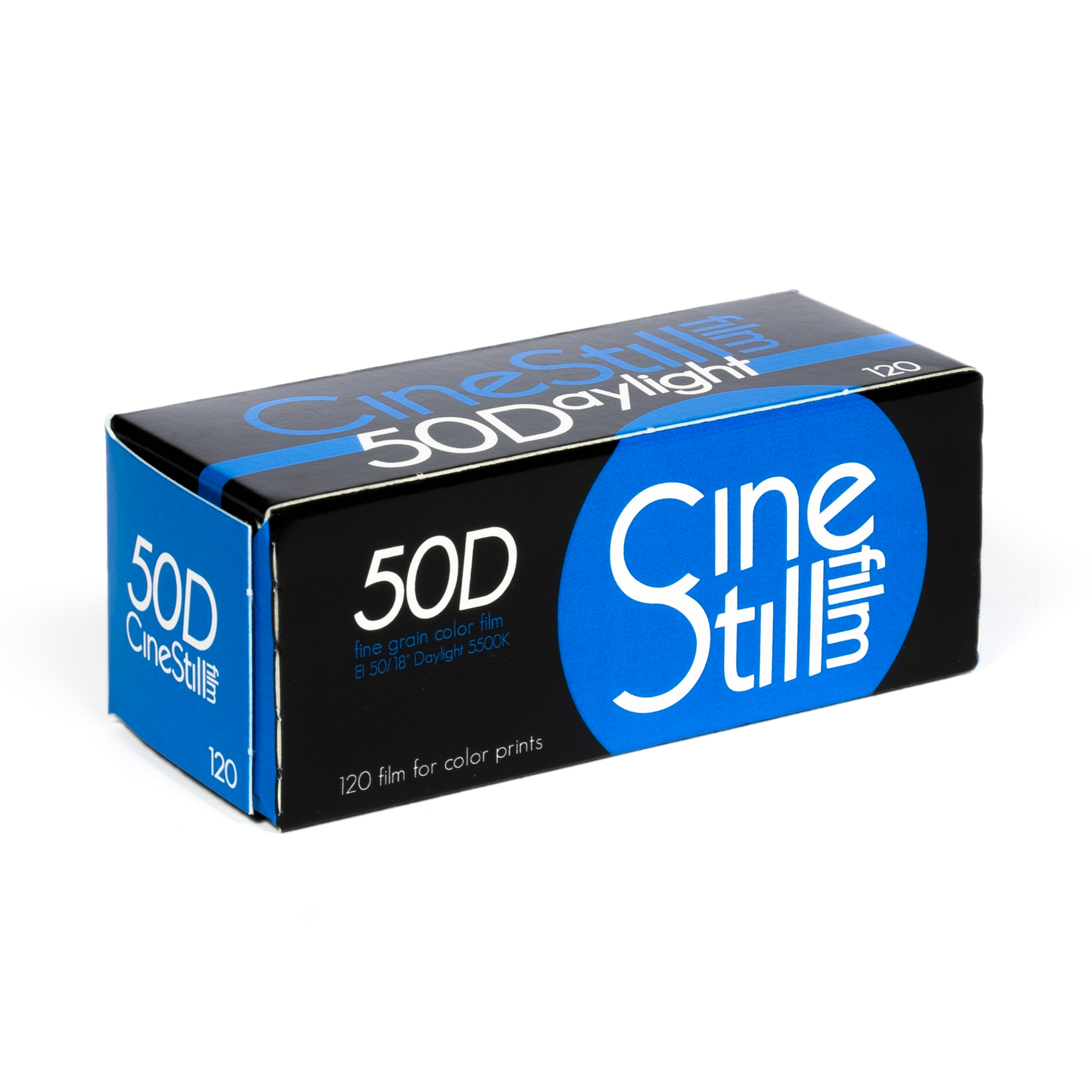
Using a film camera can provide a unique and nostalgic feel to your photographs. Film photography requires a more deliberate approach, which can lead to a deeper connection with the art of photography. Additionally, film cameras often produce a distinct aesthetic that some photographers prefer over digital images.
What are the advantages of using a digital camera over a film camera?
Digital cameras offer instant feedback, allowing you to review and adjust your photos immediately. They also provide a wider range of features, such as in-camera editing, Wi-Fi connectivity, and the ability to shoot in different formats. Digital images can be easily shared online and stored without the need for physical prints.
Can I use both film and digital cameras in my photography workflow?
Absolutely! Many photographers find it beneficial to use both film and digital cameras in their workflow. Film cameras can offer a unique creative outlet, while digital cameras provide convenience and flexibility. You can choose the best tool for each specific situation, allowing you to experiment and grow as a photographer.



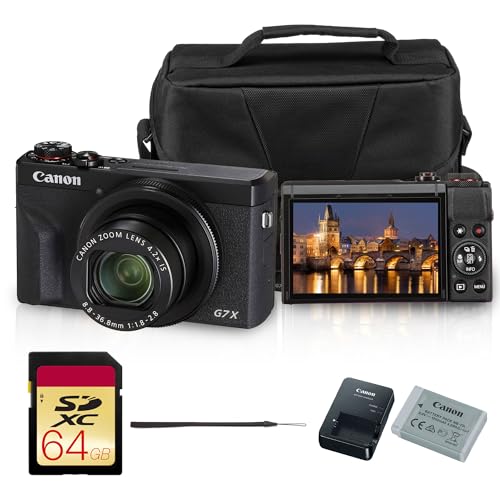
I'm really torn between getting a film camera or going digital. I love the vintage look of film but I also need something practical for everyday use. Does anyone have experience with both? Which one do you prefer?
I have both and it really depends on the situation. For casual, everyday shots, I definitely prefer digital because of the convenience. But when I want to feel more immersed in the process, I go for film.
Film cameras have a great aesthetic, but the developing cost can add up quickly. Just something to keep in mind!
I actually disagree that digital is more convenient for everyone. Sometimes, I find the limitations of film forces me to be more creative with my shots, which I really appreciate.