
 Carmen J. Moore

The eclipse is a natural phenomenon that captures the attention of people all over the world. Whether it’s a solar or lunar eclipse, the sight of the moon or sun being partially or completely obscured is a sight to behold.
Many people wonder if they can use their digital cameras to capture this celestial event. The answer is yes, you can use a digital camera to record the eclipse, but there are some important considerations to keep in mind.
From choosing the right camera settings to using proper filters, capturing the eclipse with a digital camera requires careful planning and preparation. In this article, we will explore the steps you need to take to successfully record the eclipse using your digital camera.
Can You Use a Digital Camera to Record the Eclipse
Yes, you can use a digital camera to record the eclipse, but you need to take some precautions to ensure you capture the event safely and effectively. Here are some tips for using a digital camera to record the eclipse:
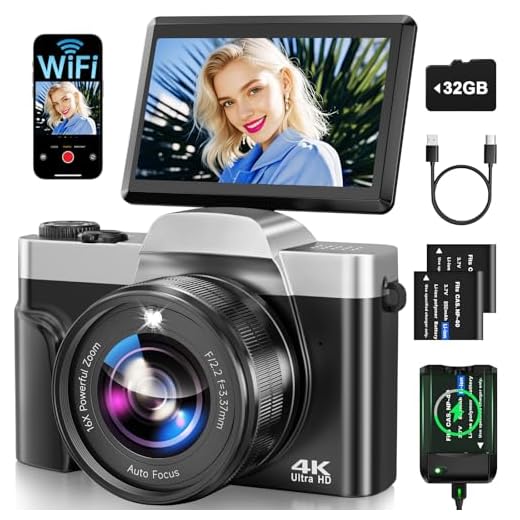
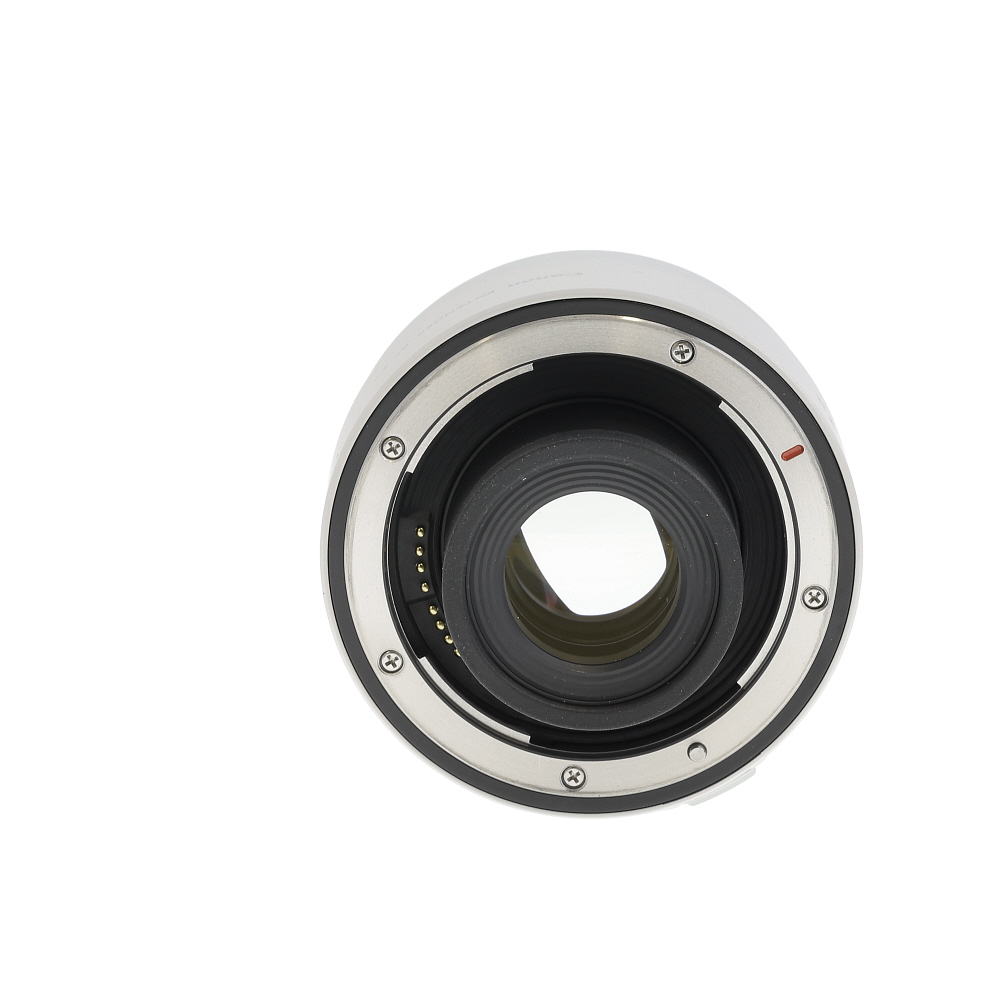
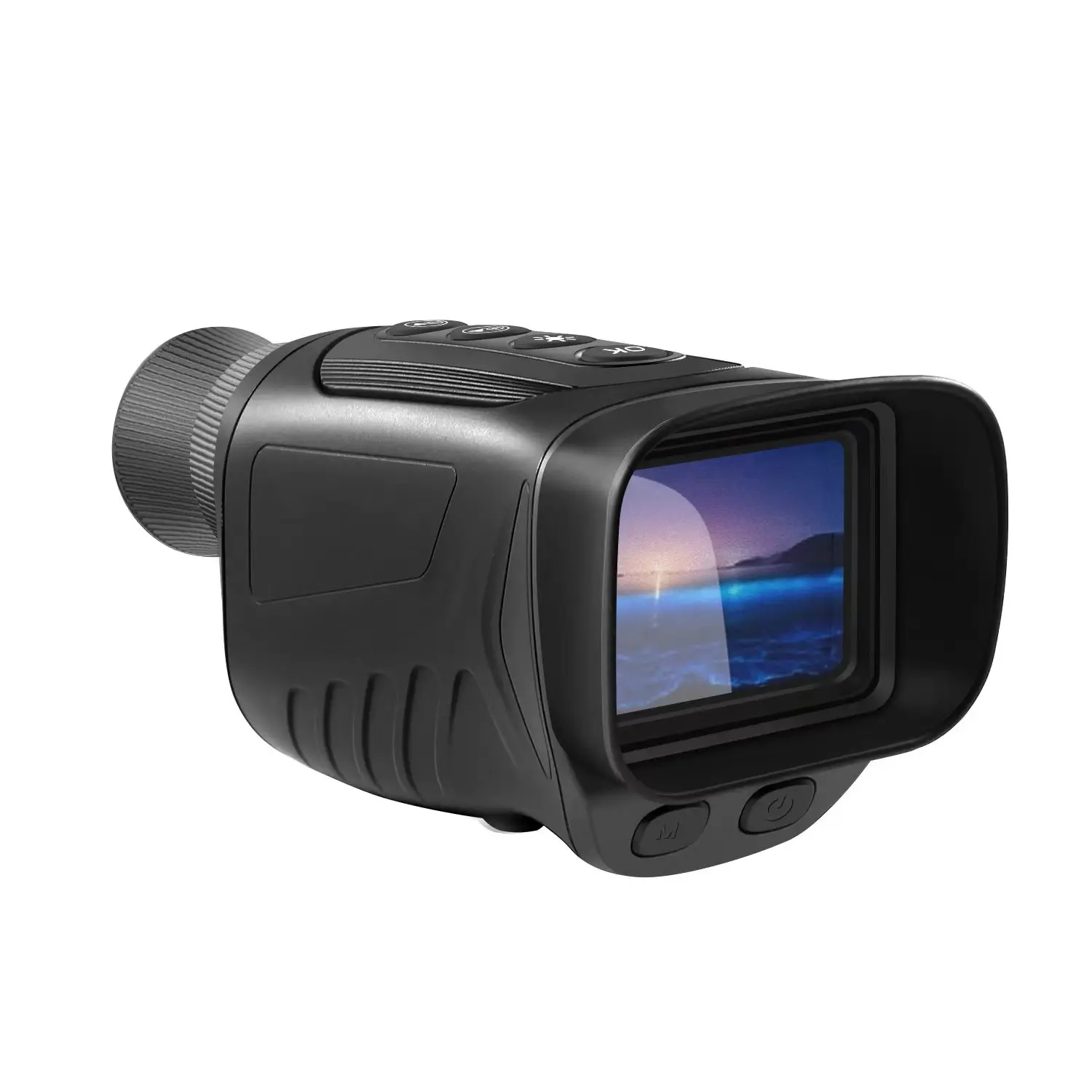

| Use a solar filter: | Make sure you have a solar filter for your camera lens to protect both your eyes and the camera sensor from the intense sunlight during the eclipse. |
| Adjust exposure settings: | Set your camera to manual mode and adjust the exposure settings to account for the changing light conditions during the eclipse. |
| Use a tripod: | Use a tripod to keep your camera steady and reduce the risk of camera shake, especially if you are using a longer exposure time. |
| Experiment with different settings: | Try different settings such as aperture, shutter speed, and ISO to capture the eclipse in a way that suits your creative vision. |
| Practice before the event: | Practice taking photos of the sun before the eclipse to familiarize yourself with the camera settings and ensure you are prepared for the main event. |
Understanding the Eclipse Phenomenon
An eclipse is a fascinating astronomical event that occurs when one celestial body moves into the shadow of another. There are two main types of eclipses: solar and lunar.
Solar Eclipse
A solar eclipse happens when the Moon passes between the Earth and the Sun, blocking the Sun’s light and casting a shadow on Earth. This can result in a partial or total solar eclipse, depending on the alignment of the three bodies.
Lunar Eclipse
A lunar eclipse occurs when the Earth comes between the Sun and the Moon, causing the Earth’s shadow to fall on the Moon. This can result in a partial or total lunar eclipse, with the Moon taking on a reddish hue during the event.
Both types of eclipses are awe-inspiring natural phenomena that have captivated humans for centuries. Observing and recording these events can provide valuable insights into the motions of celestial bodies and the mechanics of our solar system.
Importance of Proper Equipment
When attempting to record a solar eclipse, it is crucial to have the proper equipment to ensure the best results. Using a digital camera with the right settings can help capture the awe-inspiring event in all its glory.

Having a camera with a high-quality lens and sensor will allow you to capture the intricate details of the eclipse, such as the corona and the diamond ring effect. Additionally, using a tripod will help stabilize the camera and prevent any blurriness in the final images.
Proper equipment also includes solar filters to protect both your eyes and the camera lens from the intense sunlight during the eclipse. Without these filters, you risk damaging your eyes and your camera sensor.
Overall, investing in the right equipment for recording a solar eclipse is essential for capturing this rare and spectacular event accurately and safely.
Choosing the Right Camera Settings
To capture the eclipse effectively with a digital camera, it is crucial to choose the right camera settings. Here are some tips to help you get the best results:
1. Manual Mode: Set your camera to manual mode to have full control over the exposure settings. This will allow you to adjust the aperture, shutter speed, and ISO according to the lighting conditions during the eclipse.
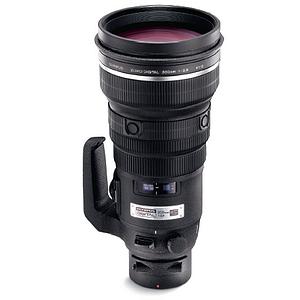
2. Aperture: Use a small aperture (high f-number) to ensure a sharp and detailed image of the eclipse. This will also help in reducing lens flare and other distortions.
3. Shutter Speed: Set a fast shutter speed to capture the fast-moving celestial event without any blurring. Experiment with different shutter speeds to find the best balance between exposure and sharpness.
4. ISO: Keep the ISO low to minimize noise in your images. Start with a lower ISO setting and increase it only if needed to brighten the image.
5. White Balance: Adjust the white balance settings to ensure accurate colors in your eclipse photos. You can choose presets like daylight or custom white balance for better results.
6. Focus: Use manual focus to ensure that the eclipse is sharp and in focus. Set the focus to infinity or experiment with different focus points to capture the eclipse in the best possible way.
By selecting the right camera settings and making adjustments as needed, you can capture stunning images of the eclipse with your digital camera.
Ensuring Safety Measures
When using a digital camera to record the eclipse, it is important to prioritize safety measures to protect both yourself and your equipment. Here are some key precautions to keep in mind:
- Never look directly at the sun through your camera’s viewfinder or LCD screen, as this can cause permanent damage to your eyes.
- Use a solar filter on your camera lens to safely capture the eclipse without risking damage to your camera’s sensor.
- Avoid leaving your camera pointed at the sun for extended periods of time to prevent overheating and potential damage to the camera.
Additional Safety Tips:
- Consider using a tripod to stabilize your camera and prevent any accidental movement during the recording process.
- Be mindful of your surroundings and ensure that you are in a safe location with a clear view of the eclipse.
Post-Recording Editing Techniques
After you have recorded the eclipse using your digital camera, you may want to enhance the footage to make it more visually appealing. Here are some post-recording editing techniques you can use:
1. Color Correction
Adjust the color balance, saturation, and contrast of the footage to make the eclipse colors pop. This can help highlight the different phases of the eclipse and make the footage more engaging.
2. Crop and Zoom
Use cropping and zooming techniques to focus on specific parts of the eclipse, such as the corona or the diamond ring effect. This can help bring attention to the most interesting aspects of the eclipse.
- Trim unnecessary footage to make the video more concise and engaging.
- Experiment with different zoom levels to create dynamic visuals.
By applying these editing techniques, you can create a stunning video of the eclipse that captures the beauty and awe of this celestial event.
Sharing Your Eclipse Footage
Once you have captured stunning footage of the eclipse with your digital camera, you may want to share it with others. Here are some ways you can share your eclipse footage:
1. Social Media Platforms
- Upload your eclipse footage to popular social media platforms like Facebook, Instagram, or Twitter to share it with your friends and followers.
- Use relevant hashtags to reach a wider audience who may be interested in viewing your eclipse footage.
2. Video Sharing Websites
- Consider posting your eclipse footage on video sharing websites like YouTube or Vimeo to reach a larger audience beyond your social circle.
- Provide a detailed description of your footage and any interesting observations you made during the eclipse to engage viewers.
By sharing your eclipse footage online, you can contribute to the collective experience of witnessing this celestial event and inspire others to appreciate the beauty of the natural world.
Professional Tips and Recommendations
When using a digital camera to record the eclipse, make sure to follow these professional tips:
1. Use a Solar Filter
Always use a solar filter when photographing the eclipse to protect your camera’s sensor and your eyes from damage. Without a solar filter, the intense sunlight can cause permanent damage to your equipment.
2. Adjust Exposure Settings
Experiment with different exposure settings to capture the eclipse in the best possible way. Start with a lower ISO setting and adjust your shutter speed and aperture to achieve the desired exposure. Bracketing exposures can also help you capture the eclipse’s details effectively.
Remember: Practice makes perfect, so be patient and keep experimenting with your camera settings to get the best results.
FAQ
Is it possible to use a digital camera to record the eclipse?
Yes, it is possible to use a digital camera to record the eclipse. Digital cameras with manual settings and the ability to adjust exposure settings are ideal for capturing the eclipse.
What kind of digital camera is best for recording the eclipse?
The best type of digital camera for recording the eclipse is one that has manual exposure settings, a telephoto lens, and the ability to shoot in RAW format. This will allow you to adjust the settings to capture the eclipse accurately.
Do I need any special equipment to record the eclipse with a digital camera?
While you don’t necessarily need special equipment to record the eclipse with a digital camera, having a tripod to keep the camera stable and a solar filter to protect the camera’s sensor are highly recommended for capturing clear and sharp images of the eclipse.

Can I use a smartphone instead of a digital camera to record the eclipse?
While smartphones can be used to capture the eclipse, they may not offer the same level of control and quality as a digital camera with manual settings. However, if you don’t have access to a digital camera, a smartphone can still be used to document the event.



What type of solar filter would you recommend for a DSLR camera? I'm not sure what to look for or brand to trust.
For DSLR cameras, look for solar filters specifically rated for photography, such as those made by brands like Thousand Oaks and Baader. Ensure the filter fits your lens size and offers full protection against UV rays.
Could you clarify how to adjust the ISO during the different phases of the eclipse? Do I need to change it often?