
 Carmen J. Moore
The solar eclipse is a rare and breathtaking celestial event that many people want to capture with their digital cameras. However, photographing a solar eclipse requires special precautions and equipment to ensure both your safety and the quality of the images.
One of the most important things to remember when photographing a solar eclipse is to never look directly at the sun without proper eye protection. This also applies to your camera’s viewfinder, as the intense light can damage your eyes and the camera sensor.
Using a solar filter or eclipse glasses over your camera lens is essential to protect the equipment and capture the eclipse safely. Additionally, a tripod and remote shutter release can help stabilize your camera and prevent blurry images during the event.

How to Photograph the Solar Eclipse with a Digital Camera
Photographing a solar eclipse with a digital camera can be a challenging yet rewarding experience. Here are some tips to help you capture this rare celestial event:
1. Use a Solar Filter
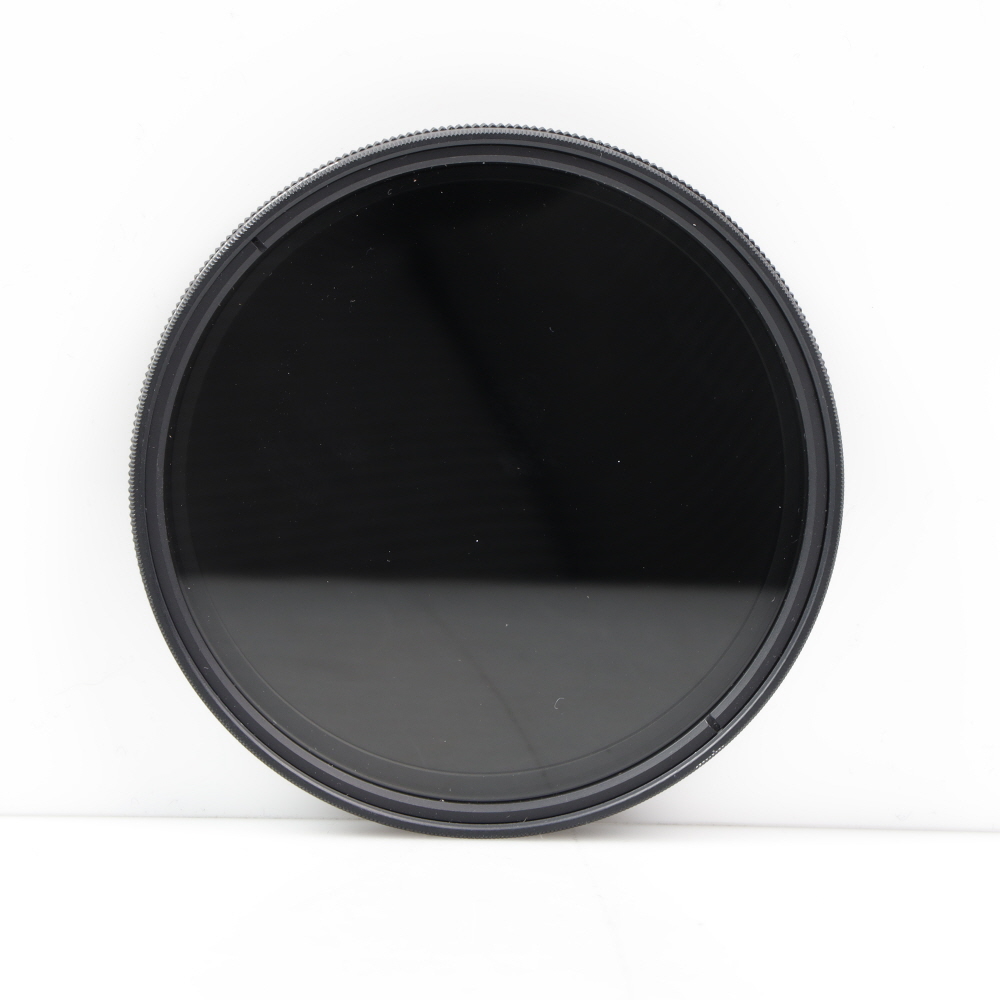
Never point your camera directly at the sun without a solar filter. This will protect your camera’s sensor from damage and prevent overexposure.
2. Use a Tripod
To ensure sharp images, use a tripod to keep your camera steady during the long exposures required for capturing the eclipse.
Tip: Consider using a remote shutter release or the camera’s self-timer function to further reduce camera shake.
By following these tips and practicing with your camera settings before the eclipse, you can increase your chances of capturing stunning photos of this awe-inspiring natural phenomenon.

Choosing the right equipment
When photographing a solar eclipse with a digital camera, it is crucial to have the right equipment to ensure you capture the event safely and effectively. Here are some key items to consider:
| 1. Solar filter: | Invest in a high-quality solar filter that can be attached to your camera lens. This filter will protect your camera sensor from the intense sunlight during the eclipse. |
| 2. Tripod: | Use a sturdy tripod to keep your camera steady during the long exposure times required for photographing the eclipse. This will help prevent blurry images. |
| 3. Remote shutter release: | A remote shutter release or timer function on your camera can help minimize camera shake when taking photos, especially during totality. |
| 4. Proper camera settings: | Set your camera to manual mode and adjust the aperture, ISO, and shutter speed to capture the eclipse accurately. Experiment with different settings before the event to find the best combination. |
| 5. Lens choice: | Consider using a telephoto lens to get close-up shots of the eclipse and capture more detail. A zoom lens with a focal length of at least 200mm is recommended for this purpose. |
By choosing the right equipment and preparing in advance, you can enhance your chances of capturing stunning photos of the solar eclipse with your digital camera.
Setting up your camera for the eclipse
When photographing a solar eclipse with a digital camera, it’s important to properly set up your equipment to capture the event safely and effectively. Here are some tips for setting up your camera:
- Use a solar filter: Always use a solar filter when photographing the sun to protect your eyes and camera sensor. Make sure the filter is securely attached to your camera lens.
- Set the exposure: Adjust your camera settings to ensure proper exposure for the eclipse. Start with a low ISO, small aperture, and fast shutter speed to avoid overexposure.
- Use a tripod: To prevent camera shake and ensure sharp images, use a tripod to keep your camera stable during the eclipse.
- Focus manually: Switch your camera to manual focus mode and adjust the focus to capture sharp images of the sun and the eclipse phenomenon.
- Experiment with different settings: Take test shots before the eclipse begins to find the best settings for your camera and lens combination.
- Consider using a remote shutter release: Using a remote shutter release or the camera’s self-timer can help reduce camera shake when capturing the eclipse.
Location and timing for capturing the eclipse
To capture the solar eclipse with your digital camera, you need to be in the right location at the right time. The path of totality, where the sun is completely blocked by the moon, is crucial for getting the best shots. Make sure you research the path of totality and plan your location accordingly.
Timing is key
Timing is everything when it comes to photographing a solar eclipse. Make sure you know the exact time when the eclipse will occur in your location. Set up your camera well in advance and be prepared to start shooting at the right moment.
| Location | Timing |
|---|---|
| Path of totality | Check the specific time for your location to capture the total eclipse. |
| Partial eclipse area | Plan to capture the partial phases leading up to and following the total eclipse. |
Protecting your eyes and camera during the eclipse
Protecting your eyes: It is crucial to never look directly at the sun during a solar eclipse without proper eye protection. Viewing the eclipse with naked eyes can cause serious eye damage and even blindness. Make sure to use certified solar viewing glasses or a solar viewer to safely observe the eclipse.
Protecting your camera: To protect your camera during the eclipse, avoid pointing it directly at the sun without proper filters. The intense light from the sun can damage the camera sensor. Use a solar filter specifically designed for photography to capture the eclipse safely. Additionally, be cautious when adjusting camera settings and avoid looking through the camera’s viewfinder while pointing it at the sun.
Tips for capturing stunning eclipse photos
1. Use a solar filter: Never attempt to photograph a solar eclipse without a solar filter. This will protect your camera’s sensor and your eyes from the intense light of the sun.
2. Use a tripod: Stability is key when capturing the perfect eclipse photo. Use a sturdy tripod to avoid camera shake and ensure sharp images.
3. Plan your location: Choose a location with a clear view of the sky and minimal light pollution. Consider scouting the location in advance to find the best vantage point.
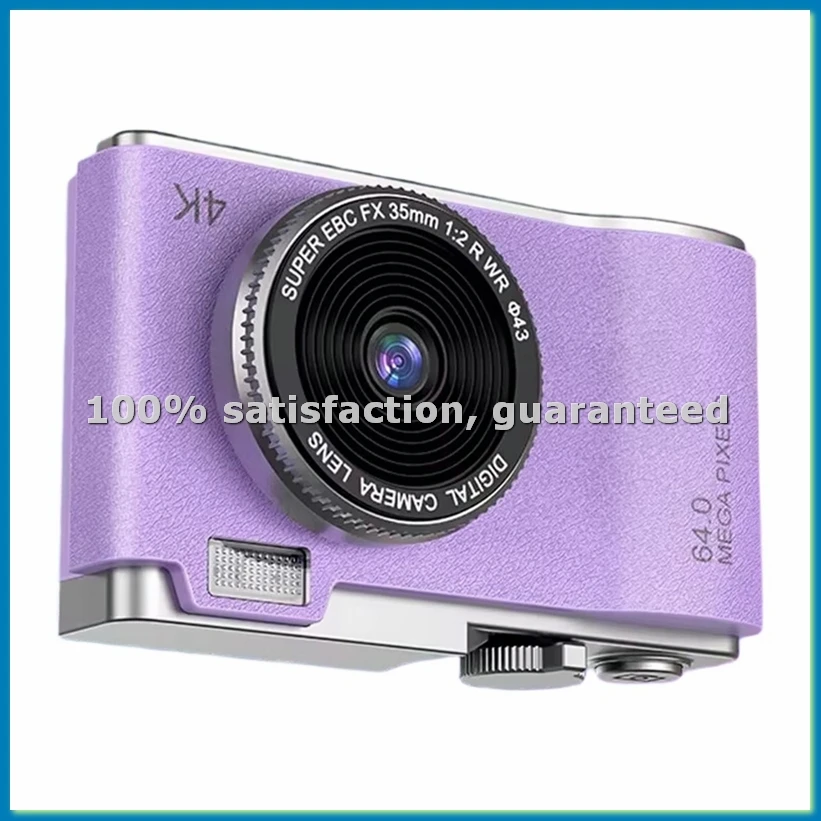
4. Use manual settings: Set your camera to manual mode to have full control over exposure, aperture, and ISO settings. Experiment with different settings to find the perfect balance for your shot.
5. Practice patience: Eclipse photography requires patience and timing. Be prepared to wait for the perfect moment to capture the eclipse at its most dramatic stage.
6. Experiment with composition: Get creative with your composition by including elements such as trees, buildings, or people in your eclipse photos. This will add depth and interest to your shots.
7. Capture the phases: Don’t forget to capture the different phases of the eclipse, from partial to total and back to partial. This will create a compelling series of images that tell the full story of the event.
Post-processing your eclipse images for best results
Once you have captured your eclipse images with your digital camera, the next step is post-processing to enhance the quality of your photos. Here are some tips for getting the best results:

1. Adjust brightness and contrast
Use photo editing software to adjust the brightness and contrast of your images. This will help bring out the details of the eclipse and make the image more visually appealing.
2. Crop and resize
Crop out any unwanted elements in the photo and resize the image to improve composition. Focus on the main subject, the eclipse, to make it stand out in the frame.
Pro tip: Remember to save your original images before making any edits, so you can always go back to the original if needed.
By following these post-processing tips, you can enhance the quality of your eclipse images and create stunning photographs to remember this celestial event.
FAQ
Can I photograph the solar eclipse with a regular digital camera?
Yes, you can photograph the solar eclipse with a regular digital camera, but you need to take precautions to protect your camera and your eyes. Using a solar filter or eclipse glasses is essential to prevent damage to your equipment and eyes.
What kind of settings should I use on my digital camera to photograph a solar eclipse?
For photographing a solar eclipse, you should use a long focal length lens, a tripod, and set your camera to manual mode. Adjust your settings to a low ISO, a small aperture, and a fast shutter speed to capture the eclipse without overexposing the image.
Do I need special equipment to photograph a solar eclipse with a digital camera?
While you don’t necessarily need special equipment, having a solar filter is crucial for photographing a solar eclipse safely. You can also use a tripod, a remote shutter release, and a long focal length lens to capture detailed shots of the eclipse.
Can I use my smartphone to photograph the solar eclipse?
Yes, you can use your smartphone to photograph the solar eclipse, but remember to never look directly at the sun through your phone’s camera. Use a solar filter or eclipse glasses in front of your phone’s lens to protect both your device and your eyes.
Is it safe to photograph a solar eclipse with a digital camera without a solar filter?
No, it is not safe to photograph a solar eclipse with a digital camera without a solar filter. Doing so can damage your camera’s sensor and lens, and looking at the sun through the camera’s viewfinder without protection can harm your eyes. Always use a solar filter when photographing a solar eclipse.



I tried photographing a solar eclipse last year, and using a tripod made a huge difference in image quality. I also practiced with my camera settings beforehand, which helped a lot. Just remember to check the weather—clouds ruined my shots!
What type of solar filter should I be looking for? I'm concerned about damaging my camera sensor during the eclipse.
Look for a solar filter specifically designed for photography, ideally one that fits your lens size. Brands like Baader or Thousand Oaks Optical are known for quality solar filters.
Can I use my camera's viewfinder during the eclipse if I have a solar filter?
I don't think you actually need a remote shutter release for a solar eclipse. I've always found that just using the self-timer is enough to minimize camera shake.