
 Carmen J. Moore

In the age of digital photography, the question of whether you can convert a classic 35mm film camera into a digital one is a popular topic among photography enthusiasts.
While it may seem like a daunting task, there are actually several ways to transform your traditional film camera into a digital powerhouse.
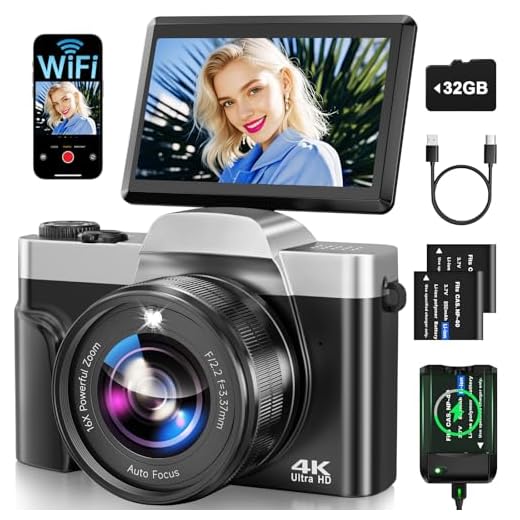
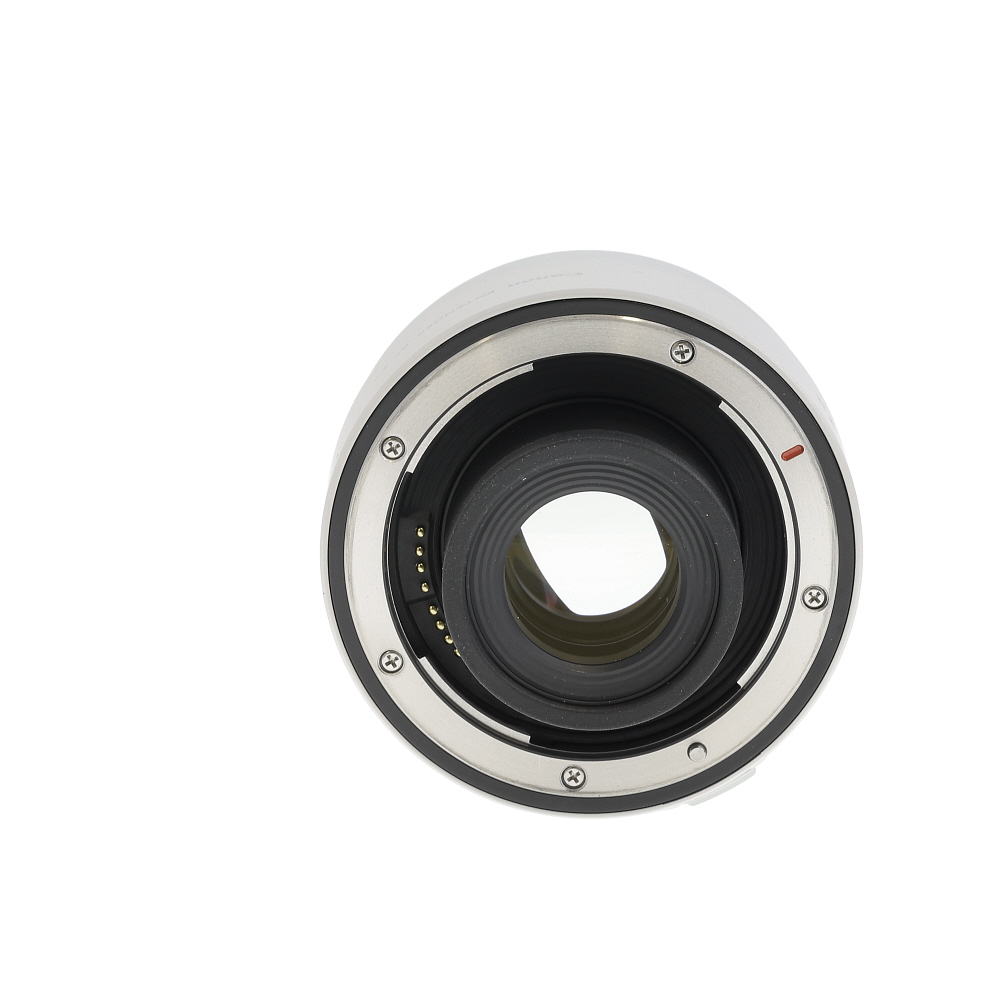
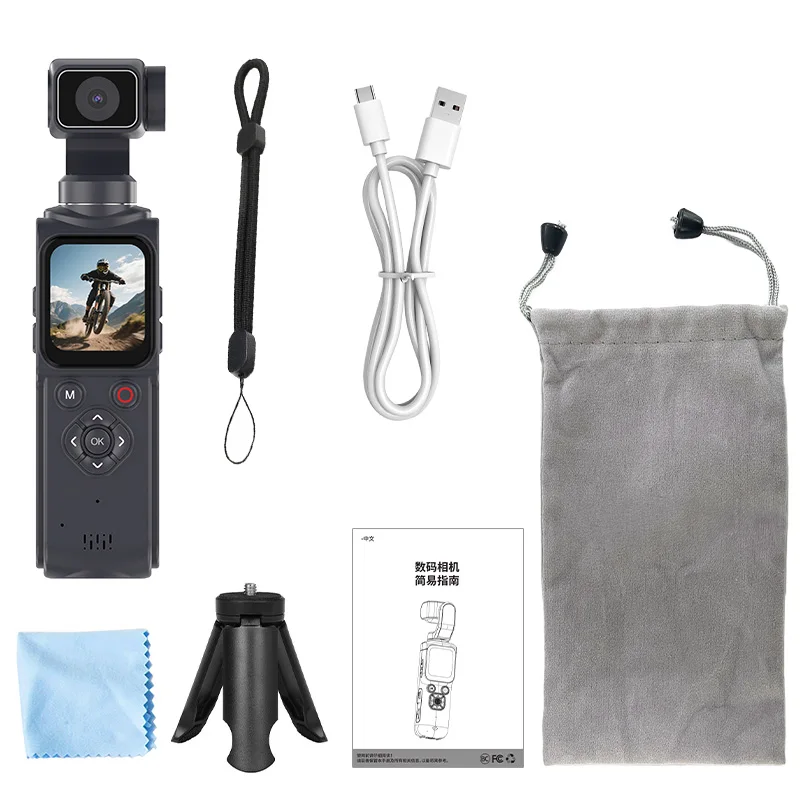

From digital camera backs to DIY conversion kits, the options are varied and offer different levels of complexity and cost. Let’s explore the possibilities of bringing your beloved 35mm camera into the digital age.
Is It Possible?
While it is not possible to directly convert a traditional 35mm camera into a digital camera, there are options available to achieve similar results. One option is to use a film scanner to digitize the images captured on film. Another approach is to use a digital camera to photograph the printed images from the film camera.
Both of these methods require some additional equipment and post-processing work, but they can provide a way to enjoy the benefits of digital photography while still using a beloved 35mm camera.
Converting Analog to Digital
Converting a 35mm camera from analog to digital involves retrofitting the camera with a digital sensor and electronic components. This process allows the camera to capture digital images instead of film. Here are the steps involved in converting a 35mm camera to digital:
1. Sensor Installation
The first step is to install a digital sensor in place of the film mechanism in the camera. The sensor will capture the light entering the camera and convert it into digital data.

2. Electronic Components
Next, electronic components such as a processor, memory, and interface modules need to be added to the camera. These components will process the digital data captured by the sensor and store it for later retrieval.
| Pros | Cons |
|---|---|
| Ability to capture digital images | Modification may affect the original design of the camera |
| Access to digital features such as instant preview and editing | Costly and time-consuming process |
| Potential for higher image quality and resolution | Compatibility issues with existing lenses and accessories |
Technological Advancements
The evolution of digital camera technology has brought about significant advancements in photography. Traditional 35mm film cameras have been largely replaced by digital cameras due to their convenience and versatility. Digital cameras offer higher image quality, instant preview, and the ability to store hundreds or even thousands of photos on a single memory card.
Improved Image Quality
Digital cameras use advanced sensors and processors to capture images with greater detail and color accuracy compared to traditional film cameras. This allows photographers to produce stunning, high-resolution images that can be easily shared and printed.
Instant Preview and Editing
One of the key advantages of digital cameras is the ability to instantly review and edit photos on the camera’s LCD screen. This allows photographers to adjust settings, crop images, and apply filters before saving or sharing their photos, providing greater creative control and flexibility.
Challenges and Solutions
Converting a traditional 35mm camera into a digital one presents several challenges that need to be addressed. One of the main challenges is the lack of space within the camera body to accommodate digital components such as a sensor, processor, and memory. Additionally, the mechanical components of a film camera, such as the shutter mechanism, may not be compatible with digital technology.

To overcome these challenges, engineers and designers can explore innovative solutions. One approach is to miniaturize digital components to fit within the existing camera body without compromising image quality. Another solution is to modify the camera body to create space for digital components while maintaining the aesthetics and functionality of the original design.
| Challenge | Solution |
| Lack of space | Miniaturize digital components or modify camera body |
| Incompatibility with mechanical components | Develop digital-friendly mechanisms or replace outdated parts |
| Limited battery life | Optimize power consumption or integrate rechargeable batteries |
By addressing these challenges with creative solutions, it is possible to successfully convert a 35mm camera into a digital one while preserving the essence of the original device.
Pros and Cons
When considering converting a 35mm camera to digital, there are both advantages and disadvantages to take into account.
Pros:
- Increased convenience: Digital cameras allow for instant viewing of photos and easy sharing online.
- Editing capabilities: Digital images can be easily edited, cropped, and enhanced using software.
- Storage: Digital photos can be stored on memory cards or cloud services, saving physical storage space.
- Cost-effective: Converting an existing 35mm camera to digital may be more affordable than purchasing a new digital camera.
Cons:
- Lack of authenticity: Converting a 35mm camera to digital may compromise the original feel and look of film photography.
- Limited resolution: Older 35mm cameras may not produce images with the same resolution as modern digital cameras.
- Technical challenges: Converting a 35mm camera to digital may require technical skills and specialized equipment.
- Battery dependence: Digital cameras rely on batteries, which may need frequent recharging or replacement.
Future Possibilities
Advancements in technology continue to push the boundaries of what is possible in the world of photography. As digital sensors become more advanced and compact, it is not inconceivable that 35mm film cameras could be retrofitted with digital sensors in the future. This would allow photographers to enjoy the benefits of digital technology while still using their favorite classic cameras.
Additionally, the rise of artificial intelligence and machine learning could potentially revolutionize the way we capture and edit images. Imagine a camera that can automatically adjust settings based on the scene or even enhance images in real-time using AI algorithms.
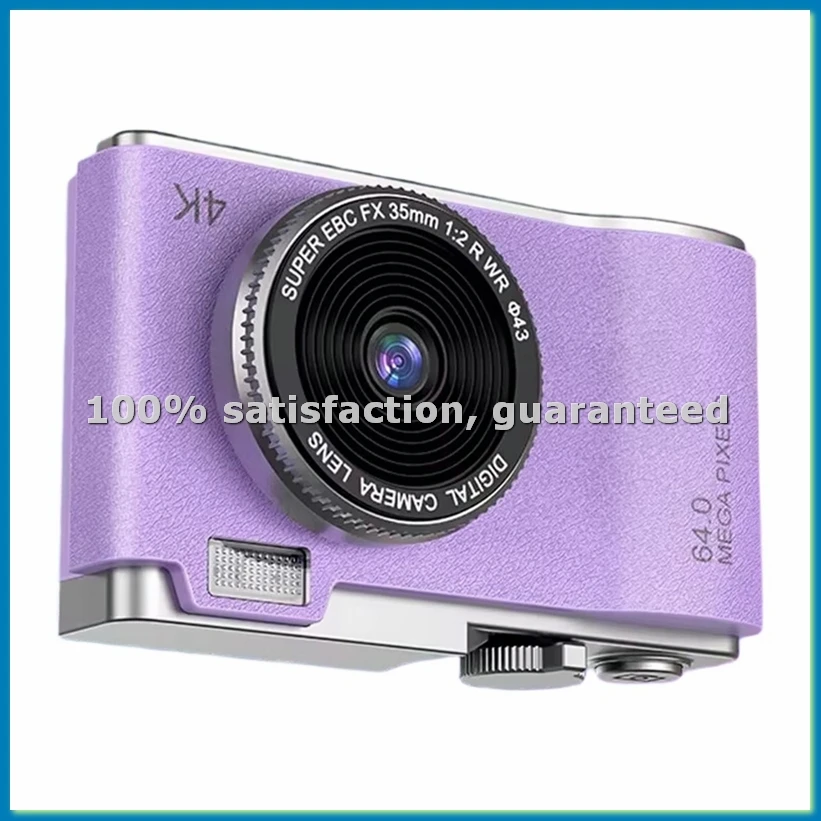
While the future of 35mm cameras becoming digital is uncertain, one thing is clear – the possibilities are endless in the ever-evolving world of photography.
FAQ
Is it possible to convert a 35mm camera into a digital camera?
Yes, it is possible to convert a 35mm camera into a digital camera with the help of digital camera backs or adapters. Digital camera backs can be attached to the back of the 35mm camera to capture digital images, while adapters can be used to mount digital cameras onto the lens of the 35mm camera.
What are the advantages of converting a 35mm camera into a digital camera?
Converting a 35mm camera into a digital camera allows you to enjoy the benefits of digital photography, such as instant image review, easy sharing on social media, and the ability to edit photos directly on the camera. It also gives you the flexibility to use different lenses and accessories that are compatible with digital cameras.
Are there any limitations to converting a 35mm camera into a digital camera?
One limitation of converting a 35mm camera into a digital camera is that the process can be expensive, especially if you opt for high-quality digital camera backs or adapters. Additionally, the image quality of the converted camera may not match that of a dedicated digital camera, as the sensor size and technology may differ.



I’ve been thinking about converting my old 35mm camera, but I'm not sure if it's worth the investment. What are some of the main benefits of going digital?
The biggest benefits for me are the instant preview and the ease of editing. Plus, you don't need to worry about developing film.
Great question! Converting to digital allows for instant image review, easy sharing online, and editing capabilities that can enhance your photography experience.
I actually converted my 35mm camera a few months ago using a digital back. The process was a bit challenging, especially fitting everything into the camera body, but I love the results! The quality is great, but I did notice some compatibility issues with my older lenses. Still, it's been fun using my classic camera with modern tech.