
 Carmen J. Moore

Many people are excited to witness a rare celestial event like a solar or lunar eclipse. The question that often arises is whether it is possible to capture this stunning phenomenon with a digital camera. In this article, we will explore the possibilities and limitations of filming an eclipse with your digital camera.
Digital cameras have come a long way in terms of technology and capabilities. With the right equipment and settings, it is definitely possible to film an eclipse with a digital camera. However, there are certain factors to consider to ensure that you capture the event effectively and safely.
From choosing the right camera settings to using proper filters, there are various techniques that can help you film the eclipse with stunning results. Whether you are a beginner or a seasoned photographer, filming an eclipse can be a rewarding experience that allows you to capture the beauty of the universe in a unique way.

Can I Film the Eclipse with My Digital Cameras
Many people wonder if they can film the eclipse using their digital cameras. The short answer is yes, you can capture the eclipse with your digital camera, but you need to take some precautions to protect both your camera and your eyes.
Precautions to Take
When filming the eclipse, make sure to use a solar filter to protect your camera’s sensor from damage. Never look directly at the sun through your camera’s viewfinder as this can cause permanent eye damage. Instead, use the camera’s LCD screen or an electronic viewfinder to frame your shot.
Tips for Filming
To capture the eclipse, use a tripod to keep your camera steady and avoid camera shake. Experiment with different exposure settings to get the best shot of the eclipse. Consider using a remote shutter release or the camera’s self-timer to reduce camera movement when taking the photo.
Preparing Your Camera for Eclipse Filming
Before attempting to film the eclipse with your digital camera, it is important to properly prepare your equipment to ensure the best results. Here are some key steps to consider:
1. Check Your Camera Settings
Make sure your camera is set to the appropriate settings for capturing the eclipse. This may include adjusting the exposure, ISO, and white balance settings to account for the unique lighting conditions during an eclipse.

2. Use a Solar Filter
It is crucial to use a solar filter when filming the eclipse to protect both your eyes and your camera’s sensor from damage. Never look directly at the sun through your camera’s viewfinder without a proper solar filter.
| Tip: Invest in a high-quality solar filter specifically designed for photography to ensure the best results. |
By following these steps and taking proper precautions, you can safely and successfully film the eclipse with your digital camera.
Choosing the Right Camera Settings
When filming the eclipse with your digital camera, it is important to choose the right camera settings to ensure you capture the event effectively. Here are some tips on how to set up your camera:
1. Use Manual Mode
For optimal control over your camera settings, it is recommended to use manual mode. This will allow you to adjust the aperture, shutter speed, and ISO according to the lighting conditions during the eclipse.
2. Adjust the Exposure
Since the eclipse involves varying levels of brightness, it is important to adjust the exposure settings on your camera. Start by setting the exposure to a level where the sun is not overexposed, but still visible. You may need to experiment with different exposure settings to find the right balance.
- Consider using a low ISO setting to reduce noise in your images.
- Use a smaller aperture to capture the details of the eclipse without washing out the image.
By choosing the right camera settings, you can capture stunning footage of the eclipse with your digital camera.
Using Filters for Eclipse Photography
When capturing the eclipse with your digital camera, it’s important to use filters to protect both your eyes and your camera’s sensor. The sun’s intense light can cause damage if not properly filtered.
Types of Filters:
There are different types of filters that can be used for eclipse photography, including solar filters and neutral density filters. Solar filters are specifically designed to block out the harmful rays of the sun, while neutral density filters reduce the overall light entering the camera.
It’s crucial to choose the right filter for your camera and lens to ensure the best results. Make sure to do your research and invest in a high-quality filter to avoid any issues during the eclipse.
Positioning Your Camera for the Best Shots
When filming the eclipse with your digital camera, it’s crucial to position your camera correctly to capture the best shots. Here are a few tips to help you get the perfect footage:
1. Use a Tripod
For steady and stable shots, use a tripod to mount your camera. This will help prevent shaky footage and ensure clear images of the eclipse.
2. Find a Clear View
Position your camera in a location with an unobstructed view of the eclipse. Avoid trees, buildings, or other objects that may block your shot and choose a spot with a clear line of sight to the sky.
Ensuring Safety for Your Camera and Eyes
When filming the eclipse with your digital camera, it is important to take precautions to ensure the safety of both your camera and your eyes. Here are some tips to keep in mind:
Protect Your Camera:
1. Use a solar filter: To prevent damage to your camera’s sensor, lens, and other components, always use a solar filter when filming the eclipse. This filter will reduce the intensity of the sun’s light and protect your camera from potential harm.
2. Avoid pointing your camera directly at the sun: Directly pointing your camera at the sun without proper protection can cause irreparable damage to your camera. Make sure to use a solar filter or an indirect method to capture the eclipse safely.

Protect Your Eyes:
1. Use eclipse glasses: When observing the eclipse with your naked eyes, always use certified eclipse glasses to protect your eyes from the sun’s harmful rays. Do not look directly at the sun without proper eye protection.
2. Take breaks: If you plan to film the eclipse for an extended period, remember to take breaks and give your eyes some rest. Prolonged exposure to the sun can cause eye strain and damage, so be sure to take care of your eyes during the filming process.
Capturing the Phases of the Eclipse
When filming a solar eclipse with your digital camera, it’s important to capture the different phases of the event. Begin by setting up your camera on a stable tripod to avoid any blurriness in your shots. Start with a wide-angle shot to capture the entire scene as the eclipse begins.
As the eclipse progresses, consider using a zoom lens to focus on the details of the sun’s corona during totality. Experiment with different exposure settings to find the right balance between capturing the sun’s brightness and the surrounding darkness. Don’t forget to periodically check your camera’s settings and adjust as needed to adapt to the changing light conditions.
During the partial phases of the eclipse, you can create a time-lapse effect by taking multiple shots at regular intervals to show the progression of the moon passing in front of the sun. Remember to protect your eyes and camera equipment by using proper solar filters or eclipse glasses throughout the filming process.
Tips for Editing Eclipse Footage
Editing eclipse footage can be a fun and rewarding experience. Here are some tips to help you make the most of your footage:
1. Start with the Right Software
Make sure you have the right editing software for the job. Programs like Adobe Premiere Pro, Final Cut Pro, or Davinci Resolve are popular choices for professional editing.
2. Organize Your Footage
Before you start editing, make sure to organize your footage. Create folders for different shots and sequences to keep everything neat and easy to find.
- Label your clips clearly
- Sort footage by time and location
- Create a storyboard or shot list
By organizing your footage, you’ll save time and frustration during the editing process.
3. Enhance the Footage
Consider enhancing your eclipse footage with color correction, filters, or special effects. Experiment with different tools to create a unique and visually stunning video.
- Adjust brightness and contrast
- Add a color tint for a dramatic effect
- Use slow-motion or time-lapse techniques
Don’t be afraid to get creative with your editing to make your eclipse footage stand out.
Sharing Your Eclipse Videos and Photos
Once you have captured stunning videos and photos of the eclipse with your digital camera, you may want to share them with others. Here are some ways you can share your eclipse footage:
1. Social Media Platforms
- Upload your videos and photos to popular social media platforms like Facebook, Instagram, Twitter, and YouTube to share them with your friends and followers.
- Use relevant hashtags to reach a wider audience and engage with fellow eclipse enthusiasts.
2. Online Communities and Forums
- Join online communities and forums dedicated to astronomy or photography to share your eclipse footage with like-minded individuals.
- Receive feedback, tips, and appreciation for your work from fellow eclipse watchers.
By sharing your eclipse videos and photos, you can contribute to the collective experience of witnessing this natural phenomenon and inspire others to appreciate the beauty of the universe.
Troubleshooting Common Eclipse Filming Issues
When filming the eclipse with your digital camera, you may encounter some common issues that can affect the quality of your footage. Here are some troubleshooting tips:
1. Exposure Problems
If your footage is overexposed or underexposed, adjust the exposure settings on your camera. Make sure to test different exposure levels before the eclipse to find the right balance.
2. Focus Issues
If your footage appears blurry or out of focus, double-check the focus settings on your camera. You may need to manually adjust the focus to ensure a clear image of the eclipse.
By addressing these common filming issues, you can capture stunning footage of the eclipse with your digital camera.
Exploring Advanced Techniques for Eclipse Photography
Photographing a solar eclipse with a digital camera can be a challenging yet rewarding experience. To capture stunning images of this celestial event, consider exploring advanced techniques that can help you achieve the best results.
1. Use a Solar Filter
When photographing a solar eclipse, it is crucial to use a solar filter to protect your camera’s sensor and your eyes from the intense sunlight. A solar filter will allow you to capture the details of the eclipse without damaging your equipment.
2. Experiment with Exposure Settings
Adjusting your camera’s exposure settings is essential for capturing the eclipse accurately. Try experimenting with different exposure times, ISO settings, and aperture values to achieve the perfect balance of light and shadow in your photos.
FAQ
Can I use my smartphone to film the eclipse?
Yes, you can use your smartphone to film the eclipse. Make sure to use a solar filter to protect your phone’s camera and never look directly at the sun without proper eye protection.
What type of digital camera is best for filming the eclipse?
A digital camera with manual exposure settings and the ability to attach a solar filter is ideal for filming the eclipse. This will allow you to adjust the exposure and protect your camera’s sensor from damage.
Is it safe to film the eclipse with a standard digital camera?
It is safe to film the eclipse with a standard digital camera as long as you use a solar filter to protect the camera’s sensor. Without a filter, the intense sunlight can damage the camera’s sensor and potentially cause permanent damage.
Can I film the eclipse with a drone and a digital camera attached to it?
It is possible to film the eclipse with a drone and a digital camera attached to it, but you must be cautious. Ensure that the drone is properly equipped with a solar filter to protect the camera and follow all safety guidelines for flying drones during an eclipse.


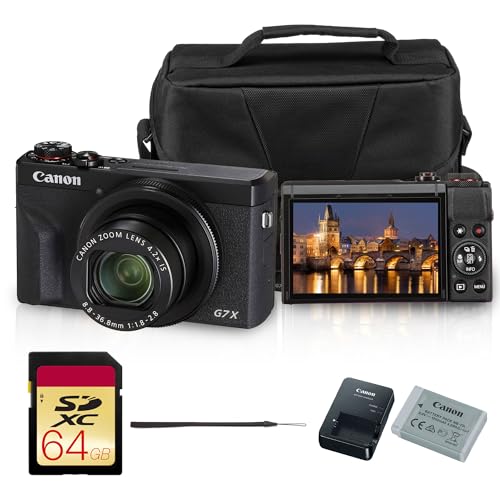
I filmed the last solar eclipse with my mirrorless camera and it was an amazing experience! I used a solar filter and set my camera to manual mode. It took some experimenting with the exposure settings, but the results were worth it. Just remember to take breaks because staring at the sun even through the viewfinder can strain your eyes. Would definitely recommend trying it if you get the chance!
I’m curious if I can use my DSLR for filming the eclipse. Are there specific lenses you recommend for this kind of photography?