
 Carmen J. Moore

Black and white photography has a timeless appeal that continues to captivate photographers and viewers alike. The classic and striking aesthetic of black and white images can transform a scene, highlighting textures, shapes, and emotions in a unique way.
With the rise of digital photography, many wonder if digital cameras are capable of capturing the beauty of black and white photography. The answer is a resounding yes! Digital cameras have advanced significantly over the years, allowing photographers to easily switch to black and white mode and capture stunning monochrome images.
But how exactly do digital cameras capture black and white photos, and what are the advantages of shooting in black and white digitally? Let’s explore the world of black and white digital photography and discover the creative possibilities it offers.
Advantages of black and white photography
Black and white photography offers a timeless and classic aesthetic that can evoke emotions and create a sense of nostalgia. Here are some advantages of choosing black and white for your photos:
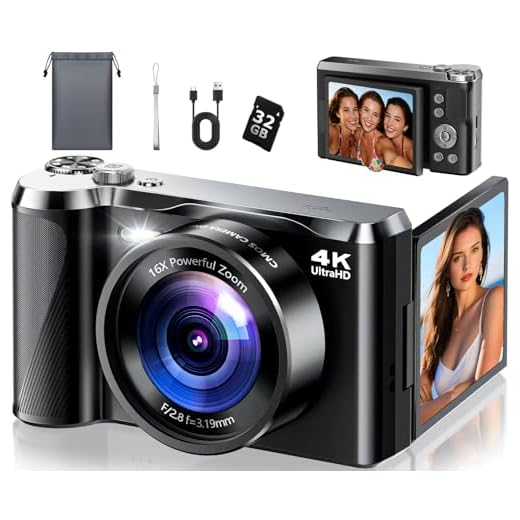


- Emotional impact: Black and white photos often convey a sense of drama and emotion, as the absence of color allows the viewer to focus on the composition, lighting, and subject matter.
- Timelessness: Black and white photography has a timeless quality that can make images feel more enduring and less tied to a specific era.
- Focus on texture and light: Removing color from the equation can highlight the textures and play of light and shadow in a photo, creating striking and visually engaging images.
- Simplicity: Black and white photos can simplify a scene, stripping away distractions and allowing the viewer to focus on the essential elements of the composition.
History of black and white photography
Black and white photography has a long and rich history that dates back to the early 19th century. The first successful black and white photograph was taken by Joseph Nicéphore Niépce in 1826 using a process called heliography. This breakthrough paved the way for further advancements in photography.
Throughout the 19th and 20th centuries, black and white photography became increasingly popular as a medium for capturing moments, documenting history, and expressing artistic vision. Photographers like Ansel Adams and Dorothea Lange made significant contributions to the art form, showcasing the power and beauty of black and white images.
Despite the rise of color photography in the mid-20th century, black and white photography has remained a timeless and classic medium that continues to inspire photographers and artists around the world. Its ability to evoke emotion, highlight contrast, and convey a sense of timelessness makes it a unique and enduring form of visual expression.
Digital cameras and black and white photography
Digital cameras are versatile tools that allow photographers to capture images in various styles and formats, including black and white photography. While digital cameras are primarily designed to capture color images, they also offer the option to shoot in black and white mode. This mode typically converts the color image into grayscale, giving the photo a classic and timeless look.
Black and white photography can be a powerful artistic choice, emphasizing composition, contrast, and texture without the distraction of color. Digital cameras make it easy to experiment with black and white photography, as photographers can switch between color and black and white modes with just a few clicks.

Additionally, digital cameras offer the flexibility to edit black and white images after they are captured, allowing photographers to adjust contrast, brightness, and other elements to enhance the final result. With the right techniques and editing tools, digital cameras can produce stunning black and white photos that rival those taken with traditional film cameras.
Techniques for capturing black and white photos
When shooting black and white photos with a digital camera, it’s important to pay attention to contrast and lighting. Black and white photography relies heavily on these elements to create striking and impactful images.
One technique is to look for scenes with strong contrast between light and dark areas. This can add depth and drama to your black and white photos.
Another technique is to experiment with different lighting conditions. Soft, diffused light can create a gentle, dreamy effect, while harsh, direct light can produce bold, high-contrast images.
Don’t forget to pay attention to textures and patterns when shooting black and white photos. These elements can add visual interest and complexity to your images.
Lastly, consider converting your color photos to black and white in post-processing. This allows you to experiment with different black and white effects and styles to achieve the desired look for your photos.
Editing black and white photos
When working with black and white photos, there are several editing techniques you can use to enhance the image:
- Contrast adjustment: Adjusting the contrast can help make the blacks darker and the whites brighter, creating a more dynamic image.
- Exposure adjustment: Tweaking the exposure can help balance the light and dark areas of the photo, making the details stand out.
- Cropping: Cropping can help improve the composition of the photo and remove any distracting elements.
- Adding filters: Applying filters can give your black and white photos a unique look, such as adding a sepia tone or a vintage feel.
- Sharpening: Sharpening the image can help enhance the details and textures in the photo.
Experimenting with these editing techniques can help you create stunning black and white photos that stand out.
Popular black and white photographers
Black and white photography has a rich history and has produced some iconic images captured by talented photographers. Here are a few of the most popular black and white photographers:
Ansel Adams
Ansel Adams is renowned for his stunning landscape photographs, particularly of the American West. His work often captures the beauty of nature in black and white, showcasing his mastery of light and composition.

Dorothea Lange
Dorothea Lange is known for her documentary-style black and white photographs, particularly during the Great Depression. Her images of migrant workers and families struggling during that era are powerful and emotive.
Comparison with film cameras
When comparing digital cameras with film cameras in terms of capturing black and white photos, there are several key differences to consider.
| Digital Cameras | Film Cameras |
| Digital cameras allow for immediate viewing of black and white photos on the screen. | Film cameras require developing the film before viewing the black and white photos. |
| Digital cameras offer the flexibility to convert color photos to black and white during post-processing. | Film cameras capture black and white photos directly on black and white film. |
| Digital cameras provide the convenience of storing a large number of black and white photos on memory cards. | Film cameras require physical storage of developed black and white film. |
| Digital cameras offer various settings and filters to enhance and customize black and white photos. | Film cameras rely on the choice of black and white film and shooting conditions to achieve desired effects. |
Overall, digital cameras provide more convenience and control when capturing and editing black and white photos compared to traditional film cameras.
Black and White Photography in the Digital Age
Black and white photography has a timeless and classic appeal that continues to captivate photographers and viewers alike. In the digital age, the art of black and white photography has evolved, with digital cameras offering sophisticated features to capture stunning monochrome images.
One of the advantages of digital cameras is the ability to easily switch between color and black and white modes, allowing photographers to experiment with different styles and expressions. Many digital cameras also have dedicated black and white shooting modes that enhance contrast and tones for striking monochrome images.

The Benefits of Shooting in Black and White
Shooting in black and white can help photographers focus on shapes, textures, and lighting without the distraction of color. It can also evoke a sense of nostalgia and create a mood that is often difficult to achieve with color photography.
Furthermore, black and white photography can add a timeless and artistic quality to images, making them stand out and convey a unique perspective.
Post-Processing and Editing
After capturing black and white images with a digital camera, photographers can further enhance their photos through post-processing and editing software. This allows for fine-tuning of contrast, brightness, and other elements to create the desired effect.
Overall, black and white photography in the digital age offers photographers a versatile and creative medium to express their vision and artistry.
FAQ
Can digital cameras capture black and white photos?
Yes, most digital cameras have a setting that allows you to capture images in black and white. This setting can be accessed through the camera’s menu and usually labeled as “monochrome” or “black and white”.

How do I switch my digital camera to black and white mode?
To switch your digital camera to black and white mode, you need to access the camera’s menu and look for the shooting mode options. From there, you can select the monochrome or black and white mode to start capturing photos in black and white.
Can I convert color photos to black and white using digital editing software?
Yes, you can convert color photos to black and white using digital editing software like Adobe Photoshop or Lightroom. These programs have tools and filters that allow you to easily convert your color images to black and white while giving you control over the tonal range and contrast.
Are there any advantages to shooting in black and white with a digital camera?
Shooting in black and white with a digital camera can help you focus on shapes, textures, and contrast in your images without the distraction of colors. It can also give your photos a timeless and classic look, as well as evoke a sense of nostalgia or mood that may be lost in color photography.
Can I adjust the contrast and tonal range of black and white photos taken with a digital camera?
Yes, you can adjust the contrast and tonal range of black and white photos taken with a digital camera during post-processing using editing software. This allows you to fine-tune the look of your images and achieve the desired mood or aesthetic.


I've been shooting in black and white with my digital camera for a while now, and I've noticed that it really does emphasize textures and light in a way that color sometimes distracts from. I remember a portrait I took that just popped once I switched to black and white—it conveyed so much more emotion. Definitely worth trying!
That sounds amazing! Do you have any tips for lighting conditions?
I've always preferred film for black and white photography due to the grain and depth it offers. But I see digital has its perks like instant viewing and flexibility. Has anyone made a switch back to film after using digital?
I disagree with the notion that black and white is better than color. Color can tell stories that black and white sometimes can't.
I'm curious if black and white mode on digital cameras always looks better than converting color photos afterward. Does anyone have experience with this?