
 Carmen J. Moore

Digital cameras have become an essential part of our daily lives, capturing precious moments and memories with just a click. But as technology advances and newer models hit the market, many of us are left wondering: Are digital cameras recyclable?
The short answer is yes, digital cameras are recyclable. However, it’s important to understand the process and take the necessary steps to ensure that your old camera is disposed of properly to minimize its impact on the environment.


Why Should You Recycle Digital Cameras?
Recycling digital cameras is crucial for reducing electronic waste and protecting the environment. When digital cameras are disposed of improperly, they can release harmful chemicals and heavy metals into the soil and water, posing a threat to wildlife and human health.
Environmental Impact
By recycling digital cameras, valuable materials like metals, plastics, and glass can be recovered and reused in the manufacturing of new products. This helps conserve natural resources, reduce energy consumption, and minimize the carbon footprint associated with producing electronics.
Data Security
Properly recycling digital cameras ensures that sensitive data stored on the devices is securely erased or destroyed. This helps prevent identity theft and protect personal information from falling into the wrong hands.
Recycling digital cameras is not only beneficial for the environment but also contributes to a more sustainable and secure future.
Environmental Impact of Digital Cameras
While digital cameras offer numerous benefits in terms of convenience and image quality, they also have a significant environmental impact. Here are some key factors to consider:
- Manufacturing: The production of digital cameras involves the use of raw materials, energy, and water, which contribute to carbon emissions and resource depletion.
- Electronic Waste: Digital cameras contain various components that can be harmful to the environment if not disposed of properly. When cameras are discarded, they may end up in landfills, leaching toxic substances into the soil and water.
- Battery Usage: Rechargeable batteries are commonly used in digital cameras, and improper disposal of these batteries can lead to environmental contamination.
- Lifespan: The short lifespan of digital cameras, driven by rapid technological advancements, leads to more frequent upgrades and disposal, further contributing to electronic waste.
It is important for consumers to be aware of the environmental impact of digital cameras and take steps to minimize their ecological footprint, such as recycling old cameras, properly disposing of batteries, and extending the lifespan of their devices through responsible use and maintenance.
Benefits of Recycling Digital Cameras
Recycling digital cameras is important for several reasons. Firstly, it helps to reduce electronic waste that can harm the environment. By recycling cameras, valuable materials such as metals, plastics, and glass can be recovered and reused in new products. This reduces the need for raw materials extraction and helps conserve natural resources.
Secondly, recycling digital cameras helps prevent toxic substances found in electronic devices from leaching into the soil and water, thus protecting ecosystems and human health. Proper recycling ensures that hazardous components like lead, mercury, and other chemicals are safely disposed of or reused in a responsible manner.
Furthermore, recycling digital cameras promotes a circular economy by closing the loop on product lifecycles. Instead of ending up in landfills, cameras can be refurbished, repaired, or recycled to extend their usability and reduce the demand for new devices. This not only saves energy and reduces greenhouse gas emissions but also supports a more sustainable approach to consumption.
How to Properly Dispose of Digital Cameras
When it comes time to dispose of your digital camera, it’s important to do so in an environmentally responsible way. Here are some steps you can take to properly dispose of your digital camera:
| 1. Recycle: | Many electronic stores and recycling centers accept digital cameras for recycling. Make sure to check if they have specific guidelines for electronic waste disposal. |
| 2. Donate: | If your digital camera is still in working condition, consider donating it to a local charity or organization in need of electronic devices. |
| 3. Trade-in: | Some retailers offer trade-in programs where you can exchange your old digital camera for a discount on a new one. This can be a great way to upgrade while responsibly disposing of your old device. |
| 4. Contact the Manufacturer: | Some camera manufacturers have programs in place for recycling old devices. Reach out to the manufacturer of your digital camera to inquire about their recycling options. |
| 5. Proper Disposal: | If none of the above options are available, make sure to dispose of your digital camera properly according to local electronic waste disposal guidelines. Avoid throwing it in the regular trash. |
Recycling Process for Digital Cameras
When it comes to recycling digital cameras, it is important to follow the proper process to ensure that the materials are disposed of responsibly. Here is a general overview of the recycling process for digital cameras:
| 1. Collection: | Old or broken digital cameras are collected from various sources, including recycling centers, electronic waste collection events, or drop-off locations. |
| 2. Sorting: | The collected cameras are sorted based on their condition and type of materials used in their construction, such as plastic, metal, and electronic components. |
| 3. Dismantling: | Skilled technicians dismantle the cameras to separate the different components, such as the lens, sensor, circuit boards, and battery. |
| 4. Material Recovery: | The separated components are then processed for material recovery. Metals like aluminum and copper are extracted for recycling, while plastics are sorted for proper disposal or recycling. |
| 5. Hazardous Waste Disposal: | Any hazardous materials, such as lithium-ion batteries, are carefully removed and disposed of in accordance with environmental regulations to prevent contamination. |
| 6. Recycling: | The recovered materials are sent to recycling facilities where they are processed and used to manufacture new products, reducing the need for raw materials and minimizing waste. |
By following this recycling process, digital cameras can be effectively recycled, reducing their environmental impact and promoting sustainability in the electronics industry.
Where to Recycle Old Digital Cameras
When it’s time to dispose of your old digital camera, it’s important to recycle it properly to prevent electronic waste from harming the environment. Here are some options for recycling your old digital camera:
1. Manufacturer Recycling Programs
Many digital camera manufacturers offer recycling programs where you can send back your old camera for proper disposal. Check the manufacturer’s website or contact their customer service to find out more about their recycling options.
2. Electronic Retailers
Some electronic retailers, such as Best Buy, offer electronic recycling programs where you can drop off your old digital camera for recycling. Check with your local electronics store to see if they offer similar programs.

Remember, recycling your old digital camera not only helps protect the environment but also ensures that valuable materials can be reused in the production of new electronic devices.
Reusing Components from Digital Cameras
When digital cameras reach the end of their life cycle, there are various components that can be salvaged and reused. This not only reduces electronic waste but also promotes sustainability. Here are some components that can be repurposed from old digital cameras:
Sensor
The image sensor in a digital camera is one of the most valuable components. It can be extracted and used in other applications such as DIY projects, security systems, or even in new camera designs. Sensors are sensitive and high-quality components that can have a second life beyond the original camera.
Lens
The lens in a digital camera is another component that can be reused. Lenses can be disassembled and used for various photography or optical experiments. They can also be repurposed in different camera setups or adapted for use with different devices.
- Buttons and Controls
- The buttons and controls on a digital camera can be salvaged for use in other electronic projects or devices.
By reusing components from digital cameras, we can prolong the life of these devices and reduce the environmental impact of electronic waste.
FAQ
Can digital cameras be recycled?
Yes, digital cameras can be recycled. Many electronic recycling facilities accept digital cameras for recycling due to their components that can be reused or repurposed.
What parts of a digital camera are recyclable?
Several components of a digital camera can be recycled, such as the plastic casing, metal parts, circuit boards, and batteries. These materials can be broken down and reused in the manufacturing of new electronic devices.
How can I recycle my old digital camera?
You can recycle your old digital camera by taking it to a local electronic recycling facility, participating in manufacturer take-back programs, or donating it to organizations that accept electronic waste for recycling. It is essential to ensure that your camera is properly recycled to reduce electronic waste and protect the environment.
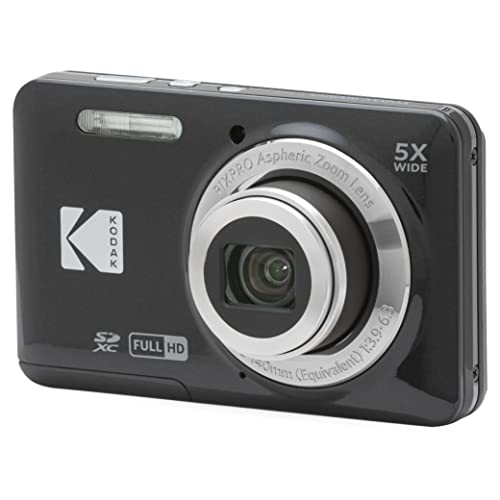


I recently recycled my old camera at a local electronics store. They had a simple drop-off process, and it felt good knowing I was helping the environment.
Are there specific stores where I can recycle my old digital camera?
I disagree with the notion that recycling is the best option for old cameras. Sometimes repairing or refurbishing them can be more sustainable in the long run, especially if they still work well. I think we should promote fixing instead of just recycling everything.
I recently recycled an old camera and it felt great knowing I was helping the environment. I took it to a local electronics store that had a drop-off bin for e-waste. They assured me that the camera would be recycled properly. It’s definitely a good feeling to do my part!
I’m not convinced that recycling really makes a difference. Isn’t a lot of this just marketing? They say it’s better for the environment, but how can we be sure?
That's a valid concern. While recycling may not solve all environmental issues, it does help reduce waste and recover valuable materials, which can lessen the demand for new resources.
I’ve been wondering where I can recycle my old digital camera. Are there specific stores or programs I should look for?
Many electronic retailers like Best Buy have recycling programs. You can also check if the manufacturer has a return program for old cameras.
Just a reminder: don’t forget to wipe your data before recycling your camera!
Yes, many Best Buy locations participate in electronic recycling programs. It's a great option to consider!
I donated my old camera to a local charity last year. It felt great to know it would be used instead of just thrown away!
I recently compared recycling options for my camera and found that some retailers offer better incentives than others. Best Buy had a straightforward drop-off process, while some manufacturers require you to pay for shipping. It’s worth looking into what each option offers before deciding.