
 Carmen J. Moore

Digital photography has revolutionized the way we capture and store images. One of the key components of digital photography is the raw file format, which contains all the image data captured by the camera sensor without any processing. Raw files offer photographers greater flexibility and control over their images, allowing for more detailed editing and adjustments.
However, a common question among photographers is whether raw files from different camera brands are interchangeable. Can you take a raw file from one camera and edit it in another brand’s software without any issues? The answer to this question is not as straightforward as it may seem.
While raw files are theoretically standardized to some extent (e.g., adherence to the DNG format), each camera brand may still have its own proprietary raw file format with unique characteristics. This can lead to compatibility issues when trying to edit raw files from one camera brand in another brand’s software.
Are Digital Camera Raw Files Interchangable Brands?
Raw files are proprietary to each camera manufacturer and are not interchangeable between different brands. Each camera brand has its own unique raw file format, such as Canon’s CR2, Nikon’s NEF, or Sony’s ARW. This means that if you take a raw photo with a Canon camera, you won’t be able to open it directly in software designed for Nikon cameras.

However, there are some workarounds:
- You can use third-party software that supports multiple raw file formats to convert the files into a more universal format like DNG (Digital Negative).
- Some camera manufacturers provide software that allows you to convert their raw files into a more common format.
While raw files may not be directly interchangeable between brands, there are ways to work with raw files from different cameras to ensure compatibility and flexibility in your photography workflow.
Understanding Camera Compatibility
Digital camera raw files are not always interchangeable between different brands of cameras. Each camera manufacturer has its own proprietary raw file format, which means that raw files captured by one brand’s camera may not be compatible with another brand’s software or editing programs. This is because each brand uses different algorithms and settings to process and encode the raw data from the camera sensor.
However, there are some third-party software programs that can convert raw files from one brand’s camera to a more universal format, such as Adobe’s Digital Negative (DNG) format. This can help to make raw files more easily transferable and editable across different brands of cameras.
It is important to check the compatibility of raw files between different camera brands before attempting to edit or process them in software programs. Using third-party converters or universal formats can help to ensure that raw files are accessible and editable regardless of the camera brand they were captured with.
Exploring Raw File Formats
Raw file formats are proprietary to each camera manufacturer and are not standardized across brands. Each camera brand has its own unique way of encoding raw image data, resulting in different file formats such as .NEF (Nikon), .CR2 (Canon), and .ARW (Sony).
While some software programs can convert raw files from one format to another, there may be limitations in terms of preserving all the original image data and metadata. It is recommended to use the manufacturer’s software or a universal raw converter to maintain the integrity of the raw files.
Benefits of Shooting in Raw
Shooting in raw format offers several advantages for photographers. Raw files contain all the data captured by the camera sensor, providing more flexibility in post-processing. This means you can adjust exposure, white balance, and other settings without losing image quality.
Raw files also preserve more detail and dynamic range compared to JPEG files, allowing for better editing capabilities. Additionally, shooting in raw allows you to experiment with different editing styles and techniques, giving you more creative control over the final image.
Furthermore, raw files are non-destructive, meaning you can make edits without permanently altering the original image. This flexibility is especially beneficial for professional photographers who require high-quality images for clients or large prints.
Challenges with Raw File Compatibility
When it comes to raw files from digital cameras, compatibility can be a major issue. While many camera manufacturers use the same file format (such as Adobe’s DNG), there can still be differences in how each brand processes and saves raw data.
One of the main challenges with raw file compatibility is that each camera brand has its own unique way of encoding and storing raw data. This can lead to issues when trying to open raw files from one brand in another brand’s software.
Additionally, differences in sensor technology, color profiles, and processing algorithms can further complicate raw file compatibility between brands. This means that even if two cameras use the same file format, the resulting raw files may still look different when opened in different software.
To address these challenges, photographers may need to use software that supports multiple raw file formats or convert raw files to a more universal format like DNG. It’s also important to stay informed about updates and developments in raw file compatibility to ensure smooth workflow across different camera brands.
Tools for Converting Raw Files
Converting raw files from one camera brand to another can be done using various software tools specifically designed for this purpose. Some popular tools include:
Adobe Camera Raw
Adobe Camera Raw is a powerful tool that allows you to convert raw files from a wide range of camera brands into a universal format that can be opened and edited in Adobe Photoshop or Lightroom.
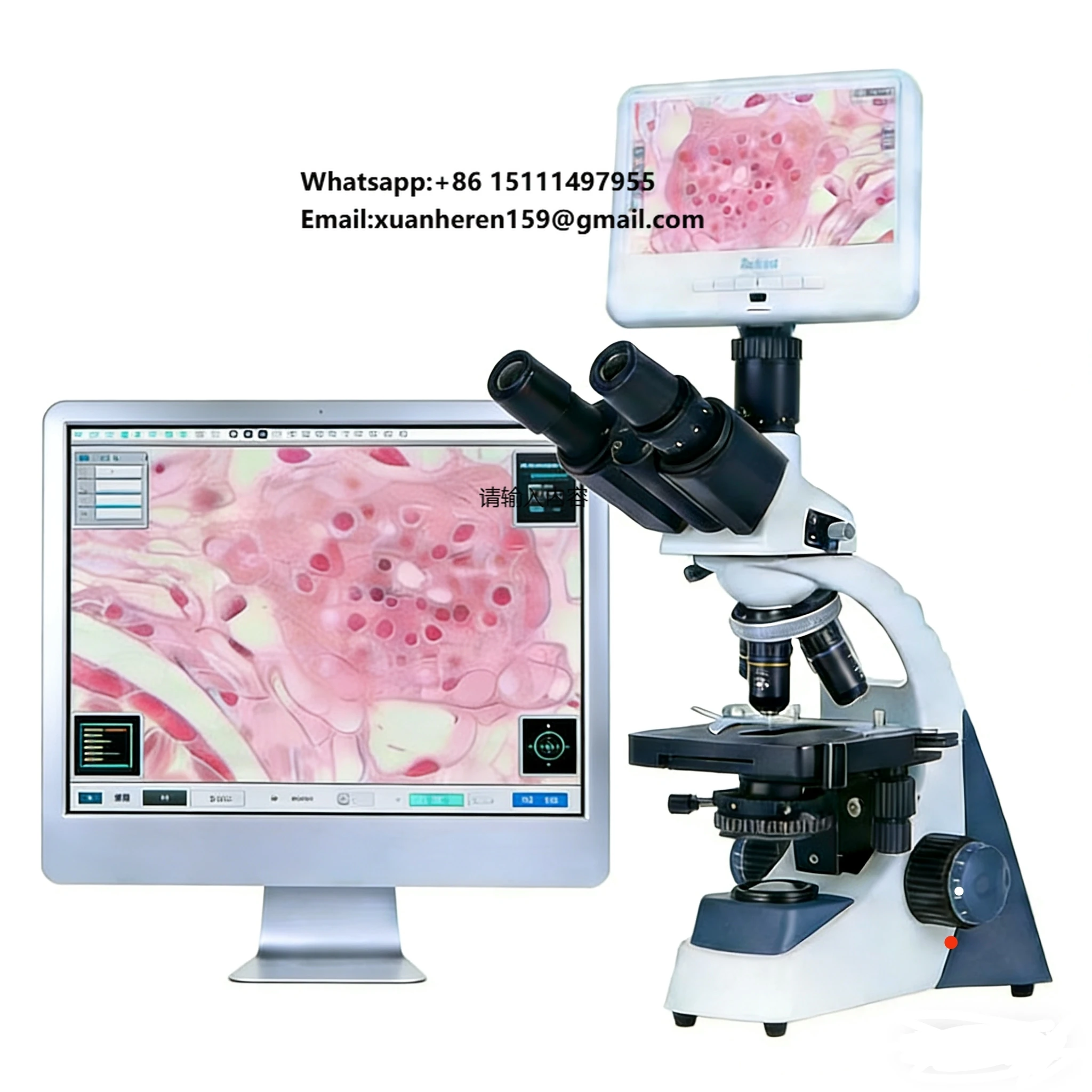
RawTherapee
RawTherapee is a free, open-source software that supports a variety of camera brands and provides advanced editing capabilities for raw files. It allows you to convert raw files into standard formats like JPEG or TIFF.
Using these tools, photographers can easily convert raw files from different camera brands, ensuring compatibility and flexibility in their post-processing workflow.
Best Practices for Raw File Management
Managing raw files from different camera brands requires a systematic approach to ensure organization and compatibility. Here are some best practices to streamline your raw file management:
1. Use a Consistent File Naming Convention
Establish a clear and consistent file naming convention to easily identify raw files from different camera brands. Include relevant information such as date, location, and subject to enhance organization.
2. Create a Folder Structure
Set up a logical folder structure to categorize raw files based on camera brand, date, project, or any other relevant criteria. This will help you locate and access specific raw files efficiently.

FAQ
Can I open a Nikon raw file in a Canon software?
No, Nikon raw files have a different file format than Canon raw files, and they are not compatible with Canon software. You will need to use Nikon software or a third-party program that supports Nikon raw files to open and edit them.
Are raw files from Sony cameras compatible with Adobe Lightroom?
Yes, Adobe Lightroom supports raw files from Sony cameras. You can import Sony raw files into Lightroom for editing and processing without any compatibility issues.
If I shoot in raw format with a Fujifilm camera, can I edit the files in a software designed for Panasonic cameras?
It is possible to edit Fujifilm raw files in a software designed for Panasonic cameras, but you may encounter some limitations or differences in how the files are processed. It is recommended to use software that specifically supports Fujifilm raw files for the best results.
Is it easy to convert a raw file from a Canon camera to a raw file format that is compatible with a Nikon camera?
Converting raw files from one camera brand to another can be challenging and may result in loss of image quality or metadata. It is best to use the raw files as they were captured by the original camera to ensure the highest quality and compatibility.
Can I use a program like Adobe Camera Raw to open raw files from different camera brands?
Adobe Camera Raw is designed to support a wide range of raw file formats from various camera brands, including Canon, Nikon, Sony, Fujifilm, and others. You can use Adobe Camera Raw to open and edit raw files from different camera brands without compatibility issues.


Can you really convert raw files from one brand to another without losing quality?
Yes, while converting raw files can help, there might still be slight variations in color profiles or metadata due to the unique processing of each brand.
I've tried converting raw files using Adobe Camera Raw. It worked well, but I noticed minor differences in colors.
I usually shoot in raw with my Nikon and convert to DNG for editing. It's been a hassle finding the right software that does it well, but RawTherapee has been a lifesaver. My edits come out looking great!
What are the best practices for organizing raw files from different brands? Any tips?
It's best to use a consistent naming convention and create a structured folder system based on date or project. This keeps everything organized and easy to find.
So, does that mean I can't use my Canon raw files in Lightroom if they were taken on a different camera?